
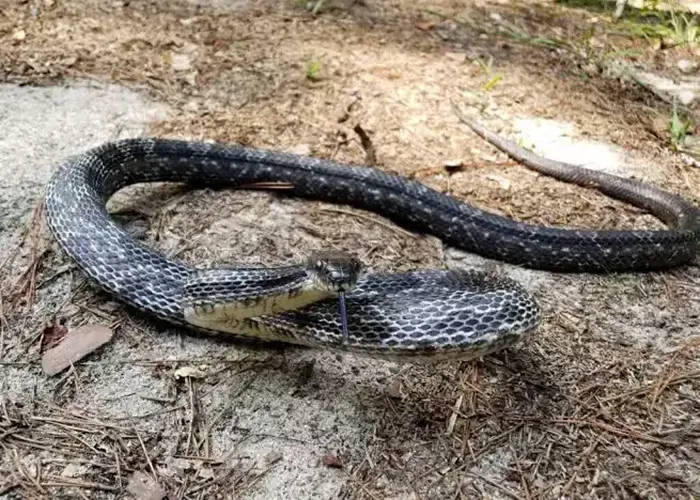
Imagine you’re hiking through a sunlit forest or wandering the edge of a quiet barn. Suddenly, you spot a long, slender reptile gliding through the grass. Is it dangerous? Should you be afraid? Wait—don’t panic! Chances are, you’ve just encountered a rat snake, one of the most fascinating and misunderstood members of the reptile world.
Rat snakes are the unsung heroes of rodent control and vital players in their habitats. These reptiles have intrigued scientists, pet owners, and nature lovers alike. But what exactly makes rat snakes so special? Why do they matter to our ecosystems, and how have they earned a top spot in the hearts of reptile enthusiasts? Get ready for an engaging journey into the world of rat snakes—a story filled with surprises, ecological wonders, and even a few quirky pet tales. You’ll discover how these adaptable constrictors help shape their environments, why their behavior is often compared to everyday objects like security systems and vacuum cleaners, and how climate change is rewriting their life stories.
Before we unlock the full story, let’s set the scene with a simple question: What is a rat snake? Awesome—let’s find out!
Meet the Rat Snake: An Introduction for Everyone
Rat snakes belong to the subfamily Colubrinae within the Colubridae family—a big family tree that also includes kingsnakes, milk snakes, and vine snakes. Think of Colubrinae as a giant group chat for medium to large constrictors that share similar habits but come in different shapes and colors. If you’ve ever wondered what keeps mouse populations in check in woodlands or barns, look no further than this hard-working reptile.
To keep things simple, let’s break down their scientific background:
- Kingdom: Animalia (they’re animals just like cats and dogs)
- Phylum: Chordata (they have backbones)
- Class: Reptilia (cold-blooded creatures like turtles and lizards)
- Order: Squamata (the group that includes all snakes and lizards)
- Suborder: Serpentes (all snakes)
- Family: Colubridae (mostly harmless snakes)
- Subfamily: Colubrinae
Rat snakes are found across much of the Northern Hemisphere—from North America’s forests to Asia’s rice fields. That’s right; they’re global travelers! Many species are popular pets because they’re generally gentle and easy to care for. The corn snake (Pantherophis guttatus), for example, is like the Labrador Retriever of pet snakes—friendly, colorful, and widely loved.
But don’t let their popularity fool you; rat snakes are master hunters. Their main job is eating rodents—hence their name. Picture them as nature’s pest control agents: sneaky, efficient, and totally silent. Unlike venomous vipers or cobras, rat snakes rely on constriction—they wrap around prey like a tight hug until it can’t escape. This method might sound scary, but remember: rat snake bites aren’t dangerous to humans! Most rat snakes pose zero threat to people (according to Fry et al., 2003).
Still worried? Here’s an analogy: encountering a rat snake is like finding your house cat chasing a mouse—it’s busy doing its job and doesn’t want trouble from you.
The Diversity of Rat Snakes: Old World vs New World
When you hear “rat snake,” you might picture one type—but there are dozens of species spread across continents! Let’s explore their diversity by splitting them into two big groups: Old World rat snakes (Asia & Europe) and New World rat snakes (Americas).
Old World Rat Snakes
In Asia and Europe, rat snakes come in many flavors:
- Coelognathus spp.: The Philippine rat snake (C. erythrurus) sports vibrant colors.
- Elaphe spp.: The Japanese rat snake (E. climacophora) is famous in folklore.
- Gonyosoma spp.: The red-tailed green rat snake (G. oxycephalum) looks like it belongs in a rainforest painting.
- Zamenis spp.: The Aesculapian snake (Z. longissimus) was revered in ancient Rome as a symbol of healing.
Each species has unique patterns—stripes, spots, or even metallic sheens—that help them blend into local environments. Think of them as different models of smartphones: same basic functions but lots of cool features!
New World Rat Snakes
Across North America:
- Pantherophis spp.: Includes the famous corn snake (P. guttatus), black rat snake (P. obsoletus), and gray rat snake (P. spiloides).
- Bogertophis spp.: The Baja California rat snake (B. rosaliae) thrives in deserts.
- Senticolis spp.: Green rat snake (S. triaspis) loves rocky outcrops.
These species adapt to local climates—cold forests up north, hot prairies down south. It’s like seeing cars built for snowy roads versus sunny highways.
Taxonomy Twist: Name Changes Explained
Until recently, most rat snakes were lumped under Elaphe—a bit like calling all sodas “cola.” In 2002, DNA analysis showed major differences between Old World and New World species (Utiger et al., 2002). Now North American rat snakes live under Pantherophis—a change accepted by Crother et al., 2008.
Why does this matter? Accurate names help scientists track conservation needs and understand evolutionary relationships—imagine organizing your music library by artist instead of genre!
Life as a Rat Snake: Behavior, Diet, and Role in Nature
Rat snakes lead fascinating lives shaped by climate, habitat, and available food. Let’s zoom in on what makes them tick—and why they’re so crucial for healthy ecosystems.
Behavior: Sneaky but Not Nasty!
Rat snakes are mostly shy; they prefer slithering away from humans rather than picking fights. When threatened or cornered, some may vibrate their tails or flatten their heads to look bigger—a bit like puffing up your jacket when you feel cold! According to real-life reptile keepers on forums like Reptile Forums UK or anecdotes from Bartlett & Bartlett (2006), many pet rat snakes quickly settle down with gentle handling.
Think about it this way: A nervous rat snake is just trying to say “Back off!” If you give it space, it’ll happily go about its business eating mice—not bothering anyone.
Diet: The Ultimate Rodent Busters
Rat snakes mostly eat rodents—mice, rats, squirrels—but won’t say no to birds’ eggs or even small lizards if food runs low. Their hunting style uses constriction—imagine wrapping a scarf tightly around your wrist until it stops moving—and then swallowing prey whole! This method keeps rodent populations under control naturally.
A farmer once told me that after finding several black rat snakes living in his barn rafters, his grain loss dropped dramatically—no more gnawed sacks or droppings everywhere! This kind of ecosystem service is priceless; it saves money on traps and poisons while keeping wildlife balanced.
Venom Mystery Solved!
For years people thought all rat snakes were nonvenomous—and for humans that’s basically true. Recent studies found tiny amounts of venom in some Old World species (Fry et al., 2003), but not enough to harm people or large animals. To put it in perspective: Their venom is like weak hot sauce compared to cobra venom—the flavor is there but no real burn!
Ecological Importance: Nature’s Pest Control Crew
By keeping rodent populations low, rat snakes protect crops from damage and limit disease spread from mice droppings—a win-win for farmers AND city dwellers! They also serve as prey for larger animals like hawks or raccoons; if you imagine nature as a giant game board, rat snakes sit right in the middle linking predators with prey.
Climate Change: Rat Snakes on the Move
Global warming is changing life for every creature—including our slithery friends! Because all reptiles are ectotherms (“cold-blooded”), they rely on outside temperatures to regulate body heat—like solar-powered cars needing sunshine to run.
Positive Effects: More Active Nights & Bigger Meals?
Some studies suggest warmer nights make hunting easier for rat snakes (Weatherhead et al., 2012). With higher nighttime temperatures:
- Snakes can hunt after dark when birds are nesting and less alert—a clever trick for catching bigger meals!
- They digest food faster because warmth speeds up metabolism—imagine your oven cooking dinner twice as quickly!
- Warmer climates allow them to grow larger; bigger bodies mean more prey caught AND more eggs laid during breeding season—a boost for population growth!
Larson (ACES Illinois) notes that temperate-zone rat snakes handle temperature swings better than tropical relatives—they’re built for change!
Negative Effects: Risky Early Emergence & New Predators
But climate change isn’t all good news:
- In northern regions like Ontario, unpredictable warm spells trick ratsnake populations into emerging from hibernation too soon—sometimes in February instead of late April! When sudden cold snaps hit again, many freeze before finding shelter (Blouin-Demers et al., 2000).
- Increased nocturnal activity exposes ratsnake species to new night-time predators such as raccoons or owls—species they haven’t adapted defenses against yet (DeGregorio et al., 2015).
Think about it like wearing shorts during an early spring heatwave only to get caught in unexpected snow—you’d be shivering too!
Climate change also alters growth rates—in places where active seasons get longer due to warming trends (Ontario), young ratsnake individuals may mature faster than ever before. But increased vulnerability during unpredictable weather means populations could decline if adaptation doesn’t keep pace.
Pet Rat Snakes: From Wild Hunter to Family Friend
If you’ve ever thought about keeping a reptile as a pet but felt intimidated by complicated care routines or scary reputations—rat snakes are here to change your mind!
Why Choose a Rat Snake?
Pet owners rave about corn snakes’ calm temperament (“They’re basically puppy dogs with scales!” says one keeper on Reddit), easy feeding habits, and beautiful color morphs ranging from bright orange to ghostly white. Unlike large pythons or venomous species that require expert handling and special permits,
the average pet ratsnake fits comfortably into home setups without fuss.
Bartlett & Bartlett (2006) highlight that New World ratsnake species tend to be especially docile compared with some Asian relatives—a plus for beginners!
Simple Care Needs Explained Like Kitchen Appliances:
Imagine caring for your pet ratsnake as similar to maintaining an aquarium fish:
- Provide a warm spot (“hot rock” basking area)
- Offer hiding places (“cave” decorations)
- Feed pre-killed mice every week (“TV dinner” style)
That’s really it! With regular cleaning and occasional vet checks,
your ratsnake will thrive—and may even live 15–20 years!
Awesome fact: Cornsnakes are so gentle that schools sometimes use them for classroom demonstrations,
teaching kids about reptiles without fear.
Conclusion: Why You Should Care About Rat Snakes
Rat snakes may seem ordinary at first glance but they play extraordinary roles both in nature and our daily lives. By controlling rodent populations without harmful chemicals or traps they support farmers gardeners city dwellers alike – quietly working behind-the-scenes so we can enjoy cleaner safer environments without extra effort.
in homes around the world captive-bred pet ratsnake species delight families with gentle personalities vibrant colors easy care routines – breaking down barriers between science hobbyists conservationists everywhere one curious flicker at time;
whether admired outdoors admired indoors celebrated across cultures regions continents alike their enduring legacy reminds us true value lies not only beauty but also balance resilience adaptability shared among all living things great small alike;
as stewards empowered knowledge compassion respect responsibility let us continue learning supporting protecting beloved reptiles shaping landscapes near far today tomorrow beyond;
stay curious stay engaged stay passionate about amazing world around us – don’t miss next encounter unforgettable adventure waiting just beyond doorstep each new day ahead!
Related topics: