
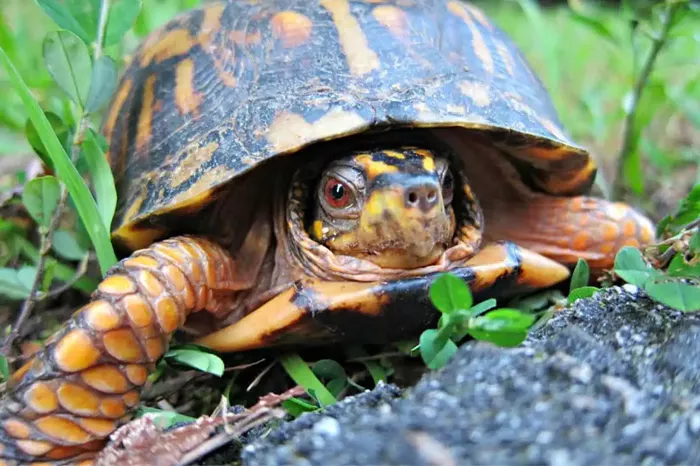
Have you ever wondered if your Eastern Box Turtle needs a heat lamp? Many turtle owners find themselves asking this very question, especially when it comes to creating the perfect environment for their pets. If you’re one of those curious pet owners, you’re in the right place!
In this article, we’ll explore the role of heat in the care of Eastern Box Turtles, why it’s essential for their health, and how to properly set up your turtle’s environment, even if you’re a beginner. Whether you’re new to reptile care or have some experience, this guide will ensure that you understand the importance of temperature regulation and how to provide the best habitat for your shelled friend.
Why Does Temperature Matter for Eastern Box Turtles?
Eastern Box Turtles (Terrapene carolina carolina) are ectothermic creatures, meaning they depend on external heat sources to regulate their body temperature. In nature, they bask in the sun to warm up, and at night, they retreat to cool, shaded areas. When kept in captivity, providing the right temperature is crucial for their well-being. Without it, they can become lethargic, stressed, and even prone to illnesses.
The Risks of Incorrect Temperature
If the temperature in your turtle’s enclosure is too low, it can have serious consequences. A cold environment can slow down your turtle’s metabolism, making it harder for them to digest food. This can lead to weight loss, weakened immune systems, and even death in extreme cases. On the other hand, too much heat can cause dehydration, overheating, and stress.
That’s where heat lamps come in. By using a heat lamp, you can mimic the natural sun exposure that your Eastern Box Turtle would get in the wild. Let’s break down why these lamps are important.
Do Eastern Box Turtles Need a Heat Lamp?
The short answer: Yes, Eastern Box Turtles do need a heat lamp, but only under certain conditions. Let’s dive into why and how you can use one.
Simulating Natural Sunlight
Heat lamps simulate the sunlight that your turtle would naturally bask under. These turtles are often found in wooded areas with ample access to sunlight. By providing a heat source, you allow them to bask, which is crucial for regulating their body temperature, absorbing calcium, and promoting overall health.
Basking Is Essential
When your turtle basks under a heat lamp, they can warm up their body and encourage normal activity. Basking helps with digestion, stimulates the immune system, and even helps them process vitamin D3, which is necessary for calcium absorption.
Creating a Temperature Gradient
In the wild, Eastern Box Turtles have access to different temperatures throughout the day. By setting up a temperature gradient in your tank, you create a warm area where your turtle can bask, and a cooler area where they can retreat when they need to cool down. This ensures they have the ability to regulate their body temperature effectively, just like they would in the wild.
What Type of Heat Lamp Should You Use?
Now that we’ve established the importance of heat, let’s talk about what kind of heat lamp you should use. There are a few options, each with its own pros and cons.
1. Incandescent Bulbs
Incandescent bulbs are the most common type of heat lamp used for reptiles. They provide both heat and light, which is perfect for Eastern Box Turtles. However, be cautious about the wattage, as you don’t want the tank to get too hot. Keep the basking spot temperature around 85°F to 90°F (29°C to 32°C), with the rest of the enclosure cooler at around 70°F (21°C).
2. Mercury Vapor Bulbs
Mercury vapor bulbs are more powerful and provide both heat and UVB light. While they are effective for creating the perfect basking spot, they can be a bit overkill for smaller enclosures. These bulbs are best used for larger tanks or if you’re keeping multiple reptiles in the same space.
3. Ceramic Heat Emitters
Ceramic heat emitters don’t produce light, but they emit heat, making them ideal for nighttime use. If your Eastern Box Turtle needs warmth during the night but you don’t want to disturb their sleep cycle with bright light, this might be the best option for you.
How to Set Up Your Heat Lamp
Now that you know what kind of heat lamp to use, let’s go through the steps for setting it up.
1. Choose the Right Tank Size
A proper-sized tank is essential for maintaining a temperature gradient. If your tank is too small, it will be hard to maintain both hot and cold areas. For an Eastern Box Turtle, a tank of at least 40 gallons is recommended.
2. Set Up the Heat Source
Place the heat lamp above the basking area. You want the basking spot to be around 85°F to 90°F (29°C to 32°C). Use a thermometer to check the temperature, and adjust the lamp as needed to avoid overheating.
3. Add a UVB Light
Eastern Box Turtles also need UVB light to help them synthesize vitamin D3. This is critical for their bone health. If your heat lamp doesn’t provide UVB light, you should also install a UVB light source.
4. Create a Temperature Gradient
Place a thermometer at both ends of the enclosure to monitor the temperatures. The basking spot should be the warmest, and the cooler area should be around 70°F (21°C). This gradient will allow your turtle to choose the perfect spot based on their needs.
How Long Should the Heat Lamp Be On?
It’s important not to leave the heat lamp on all the time. Eastern Box Turtles need a natural day-night cycle, so keep the heat lamp on for about 10-12 hours a day. You can use a timer to ensure consistency and to mimic the natural cycle of day and night.
What If You Don’t Use a Heat Lamp?
If you choose not to use a heat lamp, your Eastern Box Turtle will struggle to maintain a healthy body temperature. This can lead to stress, digestive problems, and weakened immune function. In severe cases, your turtle may become lethargic or stop eating altogether. It’s crucial to provide a heat source for your pet to thrive.
Other Environmental Considerations
While heat lamps are essential for your turtle’s health, they aren’t the only thing to consider when setting up their habitat. Here are some additional factors to keep in mind:
Humidity
Eastern Box Turtles thrive in humid environments. If your tank is too dry, your turtle may become dehydrated, leading to health issues. Use a humidity gauge to ensure that the humidity levels stay between 50% and 70%. You can also mist the tank regularly to maintain the right levels.
Substrate
The substrate in your turtle’s tank plays an important role in its comfort. Use a natural substrate, such as coconut husk, sphagnum moss, or a mix of soil and sand. This will allow your turtle to dig and burrow, which is something they naturally do in the wild.
Hiding Spots
Your turtle will need a place to hide and feel safe. Provide a few hiding spots in the enclosure to give your Eastern Box Turtle a sense of security.
Food and Water
Ensure that fresh water is always available in a shallow dish. You can also supplement your turtle’s diet with a variety of vegetables, fruits, and insects. Always provide a balanced diet to keep your turtle healthy.
Conclusion
In conclusion, Eastern Box Turtles absolutely need a heat lamp to stay healthy and happy in captivity. By mimicking the natural sunlight they would receive in the wild, you’ll help your turtle maintain a proper body temperature, digest food, and even absorb essential vitamins. So, make sure to invest in a good quality heat lamp, set up a temperature gradient, and keep an eye on other factors like humidity and diet.
Taking these steps will ensure your Eastern Box Turtle thrives in its new home!
Related topics: