
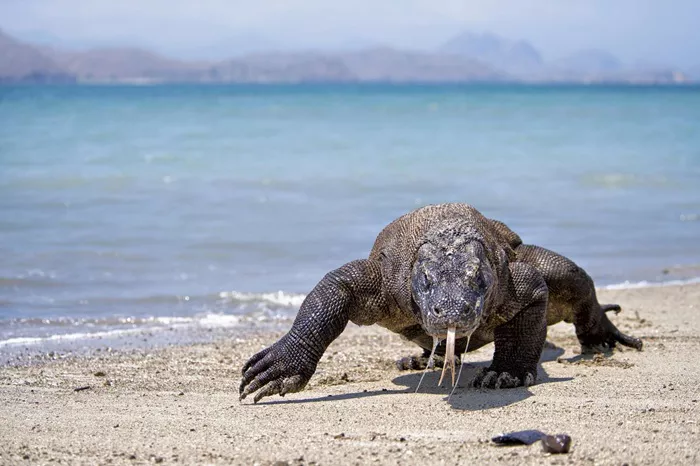
When you think of Komodo dragons, you probably imagine these massive, formidable creatures prowling the dry landscapes of Indonesia. After all, they are known for their impressive size, ferocious hunting abilities, and their somewhat intimidating reputation. But here’s a question you might not have thought about: Do Komodo dragons swim?
It might surprise you, but yes, Komodo dragons are excellent swimmers. In this article, we will dive deep into the fascinating world of these incredible reptiles and explore their swimming abilities. You’ll learn how they navigate water, why they swim, and how they survive in various environments. Whether you’re a reptile enthusiast or just someone curious about the natural world, keep reading because we’re about to explore one of nature’s most astonishing swimmers!
Introduction to Komodo Dragons: The Kings of Reptiles
Before we get into the swimming habits of Komodo dragons, let’s take a quick look at who they are. Komodo dragons, also known as Varanus komodoensis, are the largest lizards on Earth. These fascinating reptiles are native to the islands of Komodo, Rinca, Flores, and Gili Motang in Indonesia. They can grow up to 10 feet long and weigh as much as 150 pounds or more.
Their fearsome reputation comes from their powerful bite, venomous saliva, and impressive hunting skills. These apex predators are capable of taking down animals as large as deer and even water buffalo. But Komodo dragons are also opportunistic feeders, meaning they will consume whatever they can catch. This adaptability is part of what makes them so successful in their habitats.
One thing that sets Komodo dragons apart from other large reptiles is their ability to swim. But how do they manage this? Let’s dive deeper into the science behind it.
Why Do Komodo Dragons Swim?
At first glance, you might think that swimming would be the last thing a giant lizard like the Komodo dragon would need to do. However, these reptiles have a range of reasons for venturing into the water. Let’s break down some of these reasons:
Traveling Between Islands:
The islands where Komodo dragons live are separated by waters, and swimming becomes an essential skill for them to navigate from one island to another. In fact, Komodo dragons have been observed swimming several kilometers across the ocean to reach different islands. This ability helps them expand their territory, find food, and mate, which is essential for their survival.
Hunting for Food:
While they are mostly terrestrial hunters, Komodo dragons can also find food in the water. They are known to eat fish, which can sometimes require them to swim into shallow waters to catch their prey. Additionally, they may swim to hunt smaller animals or even scavenge the carcasses of sea creatures washed ashore.
Thermoregulation:
Komodo dragons, like many reptiles, are cold-blooded, meaning their body temperature is regulated by their environment. If they become too hot on land, they might take a dip in the water to cool off. This helps them maintain a comfortable body temperature, which is crucial for their metabolic functions.
Avoiding Predators or Threats:
Though Komodo dragons are apex predators, they are not invincible. In some cases, they may swim to escape other larger predators, such as humans or the aggressive water buffalo, especially when they feel threatened or cornered.
How Do Komodo Dragons Swim?
Komodo dragons are not just dabbling in water—they are skilled swimmers. They use their strong, muscular limbs and long tails to propel themselves through the water. Their tail acts like a rudder, guiding them and helping them maintain balance as they swim. This powerful tail helps them move swiftly and efficiently, similar to how a boat uses its rudder to steer through water.
Komodo dragons can swim with a smooth, almost gliding motion. Their bodies are well-adapted for swimming, with strong, flexible limbs that allow them to paddle through the water. This enables them to cover long distances if necessary, whether they are moving between islands or simply crossing a body of water in search of food.
Interestingly, Komodo dragons have been observed swimming in a manner that resembles a dog paddling, with their legs moving in a rhythmic motion. Despite their size and bulk, they are quite agile in the water.
How Far Can Komodo Dragons Swim?
Komodo dragons are capable of swimming quite far, with some individuals reported to have crossed distances of several kilometers. In fact, their ability to swim between the islands of their home range is one of the key factors that allow them to spread across such a wide territory.
In one famous observation, Komodo dragons were seen swimming up to 1.5 miles (2.5 kilometers) between the islands of Komodo and Rinca. Though they are primarily terrestrial animals, their ability to swim such distances is an impressive feat for a creature of their size.
Komodo Dragon Anatomy: The Secret to Swimming Success
What makes the Komodo dragon such a proficient swimmer? It all comes down to their anatomy. Here’s a breakdown of the key physical traits that aid their aquatic abilities:
Tail:
Komodo dragons have long, muscular tails that help them steer while swimming. The tail is an essential tool for maintaining balance and stability in the water.
Strong Limbs:
Their limbs are powerful, with large, clawed feet that can act like paddles in the water. The strength in their legs helps them maintain momentum as they swim.
Body Shape:
Komodo dragons have relatively streamlined bodies that help them cut through the water more efficiently. While they are not as sleek as marine animals, their bulk doesn’t hinder their swimming ability.
Lung Capacity:
These lizards have large lungs, which allow them to stay afloat and breathe while swimming. Their lungs help them regulate buoyancy, allowing them to stay on the surface or dive when needed.
Interesting Facts About Komodo Dragons and Water
Now that we understand how Komodo dragons swim, let’s explore a few interesting facts about these reptiles and their relationship with water:
Komodo dragons can float: While not the best at staying afloat like marine reptiles, Komodo dragons are buoyant enough to float in water. This makes it easier for them to travel across larger bodies of water, even if they don’t actively swim the entire time.
Komodo dragons have been known to swim in the ocean: These reptiles don’t just swim in lakes or rivers—they’ve been spotted swimming in the open ocean. This has allowed them to disperse to nearby islands and expand their populations.
Komodo dragons have a keen sense of direction: Despite being on water, Komodo dragons are able to navigate their surroundings well. They use landmarks, currents, and their sharp senses to find their way.
Conclusion
So, do Komodo dragons swim? The answer is a resounding yes! These massive lizards are not only excellent swimmers but also highly adaptable creatures. Whether it’s for traveling between islands, hunting for food, or escaping danger, swimming plays an important role in the survival of the Komodo dragon.
Their ability to traverse both land and water is just one of the many remarkable traits that make them such fascinating creatures. If you ever get the chance to observe a Komodo dragon in action, remember that they are just as skilled in the water as they are on land!
Related topics: