
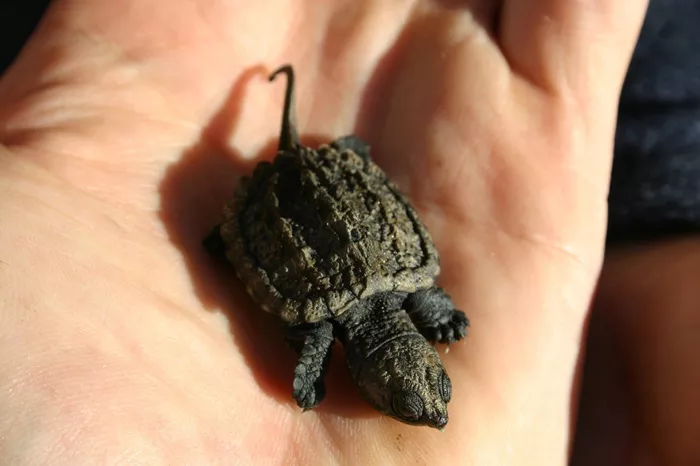
When you think about snapping turtles, you might imagine a large, intimidating creature with a powerful jaw capable of snapping through bones. While this is true for many species, there are also smaller snapping turtles that share the same fierce nature but are much more manageable in size. But what do these little guys eat? In this article, we’ll uncover the diet of small snapping turtles, discuss their feeding habits, and explain what makes them unique as carnivores.
Introduction: What Makes Snapping Turtles Unique?
Snapping turtles, known for their strong bites and defensive behavior, belong to the Chelydridae family. There are two common species: the common snapping turtle (Chelydra serpentina) and the alligator snapping turtle (Macrochelys temminckii). The smaller species, like the common snapping turtle, can still display the aggression and bite force of their larger counterparts. They can grow up to 8-10 inches in length, but their smaller size doesn’t make them any less capable in terms of hunting and survival.
But here’s the question: what do these turtles eat? Understanding their diet is crucial for anyone interested in keeping them as pets or simply learning about their natural behaviors.
If you’re wondering about small snapping turtles’ feeding habits, this article will answer your questions, explore their dietary preferences, and provide tips for properly caring for them.
Small Snapping Turtles: A Carnivorous Diet
Snapping turtles, whether large or small, are carnivorous by nature. This means that their primary food source comes from other animals rather than plants. In fact, they’re opportunistic hunters—meaning they eat whatever they can catch.
What Does a Small Snapping Turtle Eat in the Wild?
In the wild, small snapping turtles are often found near freshwater bodies, such as ponds, lakes, and rivers. Their diet consists of a wide variety of animals they can catch. Here’s what they typically eat:
Fish: Small snapping turtles often hunt small fish that swim within their reach. Their strong jaws and quick reflexes allow them to snap up fish that swim by.
Insects: Turtles are also opportunistic feeders when it comes to insects. They will eat dragonflies, water beetles, and even smaller land insects that venture too close to the water’s edge.
Amphibians: Tadpoles, frogs, and small amphibians make up a significant portion of their diet. These creatures are easy to catch and are a rich protein source for the turtle.
Worms and Snails: The smaller creatures living at the bottom of freshwater environments, like worms and snails, are also popular food choices for snapping turtles.
Crustaceans: They won’t shy away from eating crayfish and small aquatic crustaceans, which they can snap up with their powerful jaws.
Carrion: Like many other opportunistic feeders, snapping turtles are known to eat carrion—dead animals that they find floating in the water.
See Also: Are Snapping Turtles Dangerous to Dogs? Here Are Truths
How Do Small Snapping Turtles Hunt?
If you’ve ever watched a snapping turtle eat, you’ll notice that they don’t go out hunting like many other animals. Instead, they wait. Snapping turtles are ambush predators, which means they sit still and wait for prey to come within range. Their powerful, sharp jaws are capable of snapping shut in a fraction of a second, grabbing fish or smaller creatures that pass too close.
The Role of a Snapping Turtle’s Diet in Its Survival
The diet of a small snapping turtle plays a vital role in its growth and health. The protein from meat, like fish and amphibians, is crucial for the development of their muscles and shells. The energy they gain from eating also supports their active lifestyles, as they swim and search for food. Additionally, eating a variety of prey ensures that they get a balanced intake of nutrients, helping them stay healthy.
Are There Any Special Feeding Habits?
While most of the diet of a snapping turtle is carnivorous, there are times when they might munch on plant matter. This includes algae, aquatic plants, or even fruits that fall into the water. However, these instances are less frequent and not a major part of their diet.
What About Small Pet Snapping Turtles?
When keeping a small snapping turtle as a pet, you’ll need to replicate their natural diet to keep them healthy. A good diet for a pet snapping turtle includes a variety of proteins such as fish (like feeder fish), earthworms, crickets, and shrimp. You can also provide some vegetables and leafy greens occasionally, but don’t overdo it, as they are primarily carnivorous.
How Often Should Small Snapping Turtles Eat?
Feeding frequency depends on the turtle’s age, size, and activity level. Hatchlings and young turtles tend to eat more frequently than adults. Generally, small snapping turtles should be fed every 1-2 days. Adult turtles, on the other hand, may only need food every 2-3 days.
What to Avoid in a Snapping Turtle’s Diet?
While it’s important to feed your snapping turtle a balanced diet, there are some things to avoid:
Processed Foods: Do not feed snapping turtles processed foods like pet foods made for other animals (like cat food). These may lack the proper nutrients.
Overfeeding: Snapping turtles, like many reptiles, have a slow metabolism, and overfeeding can lead to obesity, which can cause health problems.
Toxic Foods: Some plants, such as certain types of aquatic vegetation, may be toxic to turtles. Always research what plants are safe if you plan to give them plant matter.
Fun Facts About Snapping Turtles’ Eating Habits
They are bottom feeders: Snapping turtles will often scavenge on the lake or riverbed for food. This means that they might spend a lot of time in the mud or sand.
They have strong jaws: A snapping turtle’s jaws can snap shut with impressive force, allowing them to crush hard-shelled creatures like snails and crabs.
They are patient hunters: If you’ve ever seen a snapping turtle at rest, you’ll notice they can stay motionless for a long time, waiting for prey to come to them. They are incredibly patient when hunting.
Conclusion
To wrap it up, small snapping turtles are opportunistic carnivores that eat a wide range of foods, primarily consisting of small animals like fish, amphibians, and insects. Their ambush hunting style and powerful jaws make them effective predators, capable of catching a variety of prey. If you plan on keeping one as a pet, be sure to provide a diet similar to their natural food sources, including fish, worms, and insects.
Caring for a snapping turtle requires an understanding of its dietary needs. By feeding them the right foods, you can help ensure they remain healthy and thrive in their habitat, whether it’s in the wild or in your home.
Related topics: