
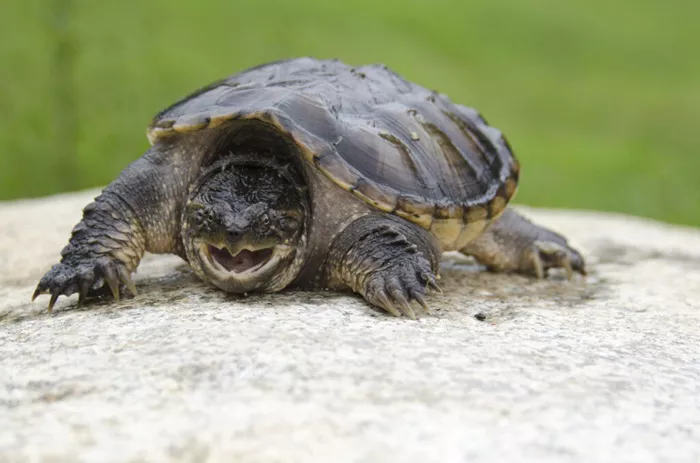
Reptiles have long captivated pet owners and enthusiasts alike. Their unique physical characteristics, interesting behaviors, and diverse range of species make them a fascinating group of animals to care for. Among the most popular reptile pets are turtles, which are known for their slow movements, hard shells, and distinct personalities. But when it comes to turtles, there’s a particular species that often stands out due to its aggressive nature and intimidating appearance—the snapping turtle.
But what exactly sets a snapping turtle apart from a regular turtle? Are they just more aggressive, or is there more to it? In this article, we will explore the key differences between turtles and snapping turtles, from their physical characteristics to their behavior, and offer insights for anyone considering one of these fascinating reptiles as a pet.
Understanding Turtles and Snapping Turtles
Turtles are one of the most recognized reptiles around the world, admired for their strong, protective shells and the ability to live both on land and in water. Their relatives, the snapping turtles, are part of the same family but have unique traits that make them stand out.
Physical Characteristics: The Key Differences
The first thing you’ll notice when comparing a turtle to a snapping turtle is their physical appearance. While both animals have a hard shell, which provides protection from predators, the shells and body structures differ significantly.
1. Shell Shape and Size
Turtles typically have smooth, oval-shaped shells that are streamlined to help them glide through the water. These shells are usually more domed and smaller compared to snapping turtles. Snapping turtles, on the other hand, have larger, more rugged, and often irregularly shaped shells. Their shells can be quite rough, with some showing bony ridges, making them look more intimidating.
2. Size and Weight
In terms of size, snapping turtles are generally much larger than most turtle species. While many turtles weigh between 5 to 10 pounds, snapping turtles can weigh anywhere from 10 to 35 pounds and sometimes even more. Their larger size allows them to be more dominant in their habitats.
3. Coloration
Turtles often come in shades of green, brown, and olive, which helps them blend into their aquatic environments. Snapping turtles, however, have a darker, more earthy tone—usually dark brown, grey, or even black, which adds to their tough, intimidating appearance.
Behavior and Temperament
One of the most distinguishing features of snapping turtles is their temperament. Unlike the calm, passive nature of most turtles, snapping turtles have a reputation for being aggressive.
1. Aggression
Turtles are generally peaceful creatures, often retreating into their shells when threatened or handled. They tend to be quite docile, especially when raised in captivity. Snapping turtles, however, are notorious for their aggressive and defensive behavior. They will bite if they feel threatened, and their strong jaws are capable of inflicting serious harm. Their “snapping” behavior is actually a defense mechanism meant to ward off potential predators.
2. Feeding Habits
Both turtles and snapping turtles are omnivores, feeding on a diet of plants, insects, and small aquatic animals. However, snapping turtles are more opportunistic hunters. They are known for aggressively grabbing and tearing apart prey, unlike the more passive eating habits of regular turtles, which tend to graze or slowly eat small creatures they encounter.
3. Activity Levels
Turtles are generally slower movers, taking their time to explore their surroundings. Many species are diurnal, active during the day. Snapping turtles, however, tend to be more active during dawn and dusk, when they hunt for food. They are also known for being more territorial and will actively defend their space if threatened.
See Also: The Largest Snapping Turtle: A Record-Breaking Discovery
Habitat Preferences
Both turtles and snapping turtles enjoy wetland habitats, but there are differences in their preferred environments.
1. Aquatic vs. Terrestrial
While many turtles are semi-aquatic, meaning they split their time between land and water, snapping turtles are primarily aquatic. They are often found in slow-moving rivers, ponds, and swamps where they can spend the majority of their time submerged. Snapping turtles also prefer muddy or sandy bottoms where they can easily hide and wait for prey.
2. Adaptability
Turtles, depending on their species, can thrive in a range of environments—from freshwater to brackish or saltwater. Snapping turtles, however, prefer freshwater and are more adapted to life in slow-moving or stagnant water. They are less likely to venture onto land compared to other turtles, except when necessary, such as for nesting.
Care Requirements for Turtles and Snapping Turtles
When considering either a turtle or snapping turtle as a pet, it’s important to understand their unique care requirements. While they share some general needs, like access to water and a basking area, their temperament and space requirements differ significantly.
1. Tank Size
Turtles can do well in tanks with appropriate space, but snapping turtles require much larger enclosures due to their size. They need deeper water areas to swim and space to move around freely. For snapping turtles, the more space the better to avoid them feeling stressed.
2. Temperature and Lighting
Both turtles and snapping turtles require access to heat and UVB lighting to maintain healthy shell growth and overall well-being. Regular basking in UV light is essential for both species, as it helps them process calcium. The temperature in their habitat should also be regulated, with warm areas for basking and cooler water to swim in.
3. Feeding and Nutrition
As omnivores, both turtles and snapping turtles require a balanced diet of vegetables, fruits, and protein. However, snapping turtles often prefer a higher proportion of protein and are known to eat small fish, insects, and even amphibians. Turtles may be more inclined to eat aquatic plants, algae, and small crustaceans.
Lifespan and Health
Turtles are long-lived reptiles. Some species can live well over 50 years with proper care, while snapping turtles generally have a lifespan of 30 to 40 years. In both cases, it is important to ensure they receive proper nutrition, regular veterinary care, and an appropriate habitat to avoid health issues.
Conclusion
When it comes to choosing between a turtle and a snapping turtle as a pet, it really depends on the pet owner’s experience level and what they are looking for in a companion. Turtles tend to be more passive and manageable, making them better suited for beginner reptile owners. Snapping turtles, with their more aggressive nature, require more experienced handlers who understand the importance of respecting the animal’s space and needs.
Ultimately, both types of reptiles make fascinating pets, but understanding their differences in behavior, care, and temperament is key to providing them with the best possible environment to thrive.
Related topics: