
If you’re into reptiles or considering a pet that is unique, fascinating, and manageable, the banded gecko might just be the perfect companion. This little reptile, often overlooked, offers incredible personality and beauty, while being surprisingly easy to care for. But before you rush out to get one, let’s dive into everything you need to know about banded geckos.
Introduction to the Banded Gecko
At first glance, the banded gecko may seem like just another small, colorful lizard. But look closer, and you’ll find a creature full of personality, adaptability, and intriguing behaviors. Often mistaken for the leopard gecko, the banded gecko is a distinctive species with vibrant patterns and unique characteristics. But what makes the banded gecko special? Why should you consider this species over others?
In this article, we’ll explore the fascinating world of the banded gecko, from its natural habitat and physical features to its diet, behavior, and care requirements. Whether you’re a seasoned reptile enthusiast or a newcomer, we’ll guide you through the essentials of owning one of these charming little creatures.
What is a Banded Gecko?
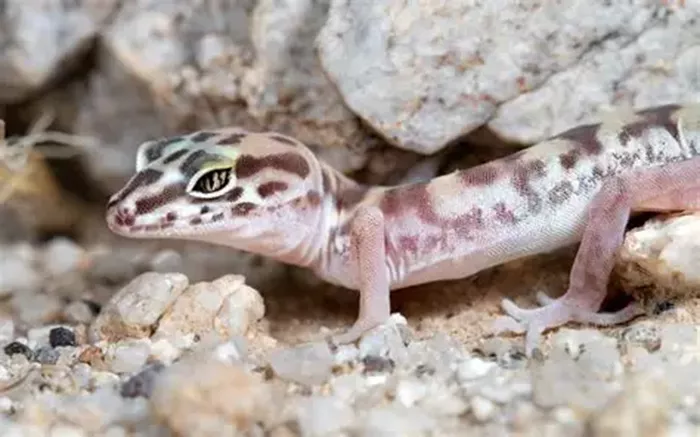
The banded gecko (scientifically known as Coleonyx variegatus) is a small, nocturnal reptile found primarily in the southwestern United States, particularly in Arizona and parts of California. It’s known for its beautiful, banded coloration, which can range from pale yellow to bright orange, with distinct dark bands running across its body—hence the name “banded” gecko.
These geckos are part of the larger Eublepharidae family, which also includes other popular species like the leopard gecko. But unlike their more famous relatives, banded geckos are less common in pet stores, even though they make excellent pets for those who appreciate their low maintenance needs and active nature.
Physical Features and Size
When you think of a gecko, you probably picture a small lizard with a slender body and big eyes. The banded gecko fits this description perfectly. It typically grows to about 6-8 inches (15-20 cm) in length, making it a manageable size for pet owners. Its tail, which is slightly thicker than its body, is used for storing fat, much like a camel’s hump!
Their skin is covered in small, smooth scales, giving them a sleek appearance. Banded geckos’ eyes are large and round, providing excellent vision during their nocturnal hunts. The bands across their backs, which vary in color and pattern, help them blend into their desert surroundings, acting as natural camouflage from predators.
Fun Fact:
The bright colors and bands of a banded gecko act like a “cloak” in nature, helping them hide from both predators and prey.
A Close Look at Their Behavior
Banded geckos are nocturnal, meaning they are most active at night. They spend their days hiding in crevices or burrows, emerging at dusk to hunt for food. Their nocturnal habits make them fascinating to watch, but it also means you might need a bit of patience to enjoy their activities.
Unlike some reptiles, banded geckos are relatively docile and shy. They may not appreciate being handled too often, but if treated gently and with respect, they can become comfortable with their owners. Many owners report that their banded geckos become more relaxed over time, enjoying gentle interaction.
Are Banded Geckos Good Pets?
Now, the big question: Are banded geckos good pets?
Absolutely! They are known for being relatively low-maintenance, especially when compared to other reptile species. With the right care, they can live for 10 to 15 years, making them long-term companions. Their diet, housing, and health needs are straightforward, and they don’t require much attention once their habitat is set up correctly. But like all reptiles, they need a proper environment to thrive.
Habitat and Setup
Creating the right habitat for a banded gecko is essential for its well-being. Here’s what you need to know.
Temperature and Lighting
Banded geckos are desert dwellers, which means they require warm temperatures to stay active and healthy. A daytime temperature range of 80-90°F (27-32°C) is ideal, with a nighttime drop to around 70°F (21°C). It’s important to provide a temperature gradient in their enclosure, allowing them to move between warmer and cooler areas as needed.
Basking areas should be kept around 95°F (35°C), and a UVB light is also recommended to help with calcium absorption. Even though banded geckos are nocturnal, they still need access to UVB light, which helps prevent metabolic bone disease, a condition that can affect reptiles lacking sufficient UV exposure.
Substrate and Décor
When it comes to substrate, a simple sand or soil mixture is perfect for banded geckos. They love to burrow, so having loose substrate allows them to dig and hide. Just make sure the sand is fine, as large particles can be ingested, leading to impaction.
To mimic their natural desert environment, you can add rocks, branches, and small caves to their enclosure. This provides hiding spots and a sense of security. A water dish should be provided, but avoid overly moist environments—banded geckos thrive in a dry, desert-like setup.
Diet: What Do Banded Geckos Eat?
Banded geckos are insectivores, meaning they primarily eat insects. Their diet should consist of crickets, mealworms, and waxworms, all of which can be easily sourced from pet stores.
To ensure your gecko stays healthy, it’s essential to gut-load their food—this means feeding the insects nutritious food before offering them to your gecko. You should also dust the insects with a calcium powder to prevent calcium deficiency.
Fun Fact:
Banded geckos can hunt their prey in complete darkness! Their excellent night vision allows them to detect even the slightest movements of insects on the ground.
Health and Longevity
Banded geckos are relatively hardy creatures, but they can suffer from a few health issues if not properly cared for. Common problems include dehydration, poor shedding, and calcium deficiency.
Dehydration:
As desert animals, banded geckos are prone to dehydration if they don’t have access to fresh water. Always provide a shallow water dish, and mist their habitat occasionally to increase humidity.
Shedding Issues:
Like all geckos, banded geckos shed their skin regularly. However, if the humidity in their habitat is too low, they may struggle to shed properly, leading to retained skin, especially around their toes. To prevent this, make sure they have a moist hide, where they can rub against objects to help remove old skin.
Calcium Deficiency:
Reptiles like banded geckos need calcium to maintain strong bones. Without it, they can suffer from metabolic bone disease. Always dust their food with calcium powder, and ensure they have access to UVB light.
Conclusion
Banded geckos are fascinating, beautiful reptiles that make wonderful pets for both beginners and seasoned enthusiasts. They are relatively easy to care for, have unique personalities, and can live for many years with the right attention. If you’re looking for a reptile that is both low-maintenance and engaging, the banded gecko is definitely worth considering.
Whether you’re new to reptiles or a long-time keeper, the banded gecko offers an exciting, hands-on experience that is hard to beat. Its simple yet captivating lifestyle makes it an ideal choice for anyone looking to bring a bit of the desert into their home.
Related topics: