
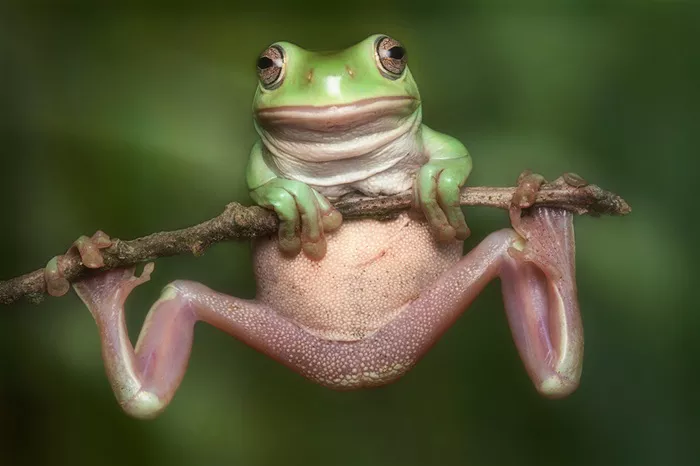
White’s tree frogs (scientific name: Ranoidea caerulea) are popular amphibians in the exotic pet trade. Native to Australia, Indonesia, and Papua New Guinea, they have gained admiration around the world due to their calm demeanor, vivid green or blue-green coloration, and manageable size. Often called “dumpy tree frogs” due to their chubby appearance, these frogs are hardy, adaptable, and relatively easy to care for.
Among the many questions prospective keepers and curious minds ask is whether White’s tree frogs are nocturnal. In other words, are these frogs most active at night, or do they prefer the day? Understanding this aspect of their behavior is critical not only for their proper care in captivity but also for appreciating how they function in their natural habitat.
This article offers a comprehensive, zoologically informed look into the sleep-wake cycle of White’s tree frogs. It explores their natural activity patterns, the environmental cues that influence them, and how their behaviors are shaped both in the wild and in captivity. We’ll also examine how their nocturnal lifestyle affects their feeding, interaction, and overall health. Whether you’re a pet owner, a biologist, or simply someone interested in frogs, this article will provide a deep understanding of this fascinating topic.
The Concept of Nocturnality in Amphibians
What Does Nocturnal Mean?
Before exploring whether White’s tree frogs are nocturnal, it is important to understand what nocturnality means. An animal is considered nocturnal if it is primarily active during the night and rests during the day. This is in contrast to diurnal animals, which are active during daylight, and crepuscular animals, which are active during dawn and dusk.
Amphibians, particularly frogs, often fall into the nocturnal category. This is largely because they require moisture to survive, and nighttime generally offers cooler, more humid conditions that reduce water loss through their permeable skin.
Why Are Many Frogs Nocturnal?
Many frogs have evolved nocturnal habits as a means of survival. There are several reasons for this adaptation:
Avoidance of predators: Many of the natural enemies of frogs—such as birds—are diurnal, meaning frogs face fewer threats at night.
Temperature regulation: Amphibians can dry out quickly. Nighttime humidity helps preserve their skin moisture.
Reproductive advantages: Mating calls are often more effective in the quieter nighttime environment.
Hunting efficiency: Many prey species, like insects, are also active at night, providing ample feeding opportunities.
These principles lay the groundwork for understanding the behavior of White’s tree frogs specifically.
Are White’s Tree Frogs Nocturnal in the Wild?
Natural Habitat and Environmental Triggers
White’s tree frogs inhabit tropical and subtropical forests, savannas, and wetlands. These environments typically feature high humidity, variable temperatures, and a wealth of hiding places. Daytime temperatures can be intense in these areas, encouraging many animals, including frogs, to stay hidden during daylight and emerge after sunset.
Field studies have documented White’s tree frogs engaging in typical nocturnal behaviors. They shelter in shaded areas, hollow logs, or tree cavities during the day and become active when darkness falls. At night, they move about in search of food, mates, or better shelter.
The cues that trigger their nocturnal behavior include:
Light levels: Diminishing daylight signals the frog to emerge from its hiding place.
Humidity: Increased moisture in the air, especially after rains, encourages activity.
Temperature changes: Cooler nighttime temperatures are more suitable for their physiology.
Observations from Herpetologists
Herpetologists (zoologists who study amphibians and reptiles) have observed White’s tree frogs in their natural settings, documenting their patterns. Most field notes describe these frogs calling, climbing, and hunting from dusk until early morning. This consistent pattern supports the conclusion that they are, indeed, naturally nocturnal.
Even when kept under observation in outdoor enclosures or semi-natural environments, they display reduced movement and feeding during daylight hours, followed by a significant spike in activity after nightfall.
Nocturnality in Captivity: Does It Remain the Same?
Captive Environment and Behavioral Adaptation
One might wonder whether captive White’s tree frogs retain their nocturnal tendencies. The answer is generally yes, though some variation can occur due to artificial lighting, enclosure design, feeding schedules, and human interaction.
When kept in a proper terrarium that mimics their natural habitat—complete with day-night lighting cycles, proper humidity, and ample hiding spots—White’s tree frogs continue to behave nocturnally. They hide under logs, leaves, or inside cork bark tubes during the day, often remaining motionless and camouflaged. At night, they emerge, climbing vertical surfaces and actively exploring their environment.
Effects of Artificial Light and Interaction
In captivity, however, some changes can be observed:
Light pollution: Exposure to room lights or screens during nighttime can disrupt their natural rhythm.
Feeding times: If the frog is fed during the day, it may occasionally adjust its behavior to match the feeding schedule.
Human activity: Frogs may learn to anticipate when their keepers are present and become active earlier than usual, especially if feeding is consistent.
Despite these minor adjustments, the core nocturnal behavior of White’s tree frogs is largely retained. Their physiology and instinctual behaviors are closely tied to nighttime activity.
How Nocturnality Affects Their Behavior
Feeding Habits
White’s tree frogs are insectivores. In the wild, they hunt for insects, spiders, and other small invertebrates. Because many insects are also nocturnal, White’s tree frogs find more success foraging at night. Their eyes are adapted to low-light vision, giving them an advantage in dim conditions.
In captivity, this means they prefer to eat during the evening or nighttime. Keepers often notice frogs ignoring food left during the day but eagerly hunting moving prey after dark.
Mating Calls and Reproductive Behavior
Males produce loud croaking calls to attract females, and this vocal activity almost exclusively takes place at night. The nighttime environment provides acoustic benefits: reduced ambient noise and greater humidity, which carries sound more effectively.
In breeding seasons, males often call from high perches, their throats inflating and deflating rhythmically. This behavior is rarely seen during the day.
Interaction with Humans
Because of their nocturnal nature, White’s tree frogs are not as active or visible during the day. They tend to remain still and hidden. For pet owners, this means the best time to observe or interact with them is after dusk.
Handlers should be aware that disturbing the frog during the day can cause stress. Respecting its nocturnal cycle ensures a healthier and less anxious animal.
Physiological Adaptations to Nighttime Life
Vision Adapted to Low Light
White’s tree frogs have large, protruding eyes with horizontal pupils. These eyes are specifically adapted to gather as much light as possible in dark environments. Their night vision allows them to detect the slightest movements of prey or threats.
Though they don’t see in complete darkness, their vision is highly functional under moonlight or artificial dim lighting. This adaptation is one of the clearest indicators of their nocturnal design.
Skin Adaptation and Moisture Regulation
Their skin is sensitive to dehydration, and nighttime humidity plays a crucial role in maintaining their hydration levels. The cutaneous (skin-based) respiration also works better in moist conditions. That’s why they avoid daytime heat and prefer the cool, moist night.
Enclosure Setup to Support Nocturnality
Lighting Cycles
A healthy terrarium should mimic the frog’s natural light cycle. This means about 12 hours of light and 12 hours of darkness. The use of a timer can help regulate this cycle automatically.
Avoid bright lighting during nighttime. Red or blue nocturnal viewing lights can be used if observation is necessary, as they don’t disrupt the frog’s natural behavior.
Humidity and Temperature
Since nighttime is their active period, humidity should be at its highest in the evening. Misting the enclosure around dusk helps simulate this natural pattern.
Temperature should drop slightly at night. Daytime temperatures around 75–85°F (24–29°C) and nighttime around 65–75°F (18–24°C) are ideal.
Hiding Spots
Providing plenty of hiding spots like plants, logs, and caves allows the frog to rest undisturbed during the day and emerge confidently at night. These refuges also reduce stress and support immune health.
Common Misconceptions About Their Activity Cycle
Some people mistakenly believe that if a frog occasionally moves during the day, it must be diurnal. However, occasional activity doesn’t change the overall classification. Like humans waking up briefly at night, nocturnal animals may also exhibit momentary daytime movements—especially in response to stimuli like feeding, stress, or environmental changes.
Others may confuse crepuscular (active at dawn and dusk) and nocturnal animals. White’s tree frogs do sometimes begin activity at dusk, which aligns with the transition from day to night, but they remain active well into the night hours.
Conclusion:
After thoroughly examining their natural history, biology, and behavior, we can confidently say that White’s tree frogs are nocturnal. From their low-light vision and nighttime mating calls to their preference for hunting in the dark, every aspect of their behavior supports this classification.
Whether in the wild forests of Australia or in a well-maintained terrarium, these frogs come alive when the sun goes down. For those who wish to keep or study White’s tree frogs, understanding and respecting their nocturnal nature is crucial for their wellbeing and accurate observation.
By adapting their care to match the natural rhythm of these amphibians, owners can ensure a healthier, more naturalistic life for their pets—and enjoy the beauty of their nighttime world.
Related topics: