
Komodo dragons are the largest lizards in the world, and their diet is as impressive as their size. These predators eat a variety of foods, and understanding what they consume is key to learning more about their role in their natural environment. In this article, we will explore the types of food Komodo dragons like to eat, how they hunt, and how their diet contributes to their survival.
Komodo Dragons: Top Predators in Their Ecosystem
Komodo dragons are apex predators, which means they sit at the top of the food chain. This gives them a diverse and flexible diet. Their meals vary from smaller animals to large prey. They are not picky eaters, and their strong hunting abilities allow them to capture a wide range of animals in their environment. The Komodo dragon’s hunting technique and food preferences make it a remarkable species in the animal kingdom.
What Do Komodo Dragons Eat in the Wild?
Komodo dragons are opportunistic feeders, meaning they will eat almost anything they can catch. Their diet consists mainly of meat, but they are also known to consume plants and fruits on occasion. Here are some of the main food sources for these magnificent reptiles:
Mammals: A Primary Food Source
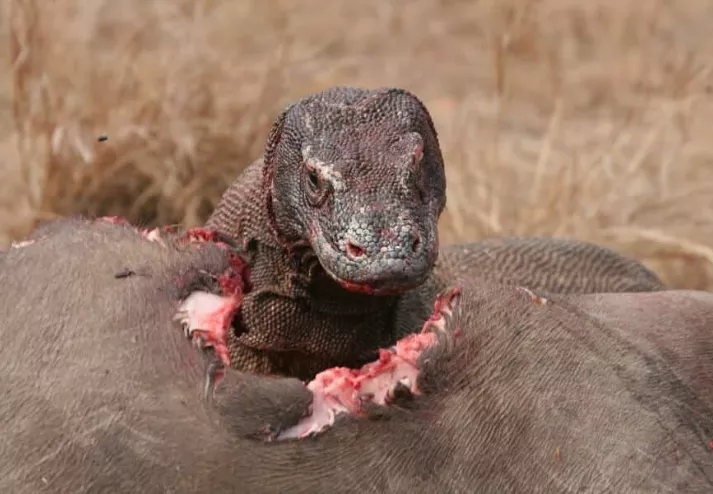
Komodo dragons primarily hunt mammals. They are known to hunt deer, wild boar, and even smaller animals like monkeys. The largest prey they have been known to target are water buffalo. These large mammals are a key part of the Komodo dragon’s diet, providing a substantial amount of food for the dragons.
Birds: Easy Prey for a Stealthy Hunter
Birds, particularly those that live on the ground, are another common food source for Komodo dragons. They can easily capture birds, especially if the birds are nesting or roosting on the ground. The dragons can use their keen sense of smell to locate bird nests and prey on eggs or young birds.
Reptiles: A Range of Prey
Being reptiles themselves, Komodo dragons often prey on other reptiles, including smaller lizards and snakes. They are skilled at capturing these types of prey, using their speed and strength to overpower them. Komodo dragons also consume the eggs of other reptiles, such as turtles.
Insects: Occasionally Consumed for Small Meals
Though Komodo dragons prefer larger prey, they will sometimes feed on insects. This typically happens when food is scarce. Insects like beetles, ants, and termites can be a part of their diet, especially when hunting larger prey is not feasible.
How Komodo Dragons Hunt Their Food
Komodo dragons are skilled hunters, and they rely on both their physical strength and their sense of smell to catch their prey. Here’s a look at how they hunt and catch their food:
Stealthy Approach: The Element of Surprise
Komodo dragons are known for their stealth when hunting. They use their ability to stay hidden from their prey until the perfect moment to strike. This stealth allows them to approach unsuspecting animals, getting as close as possible before they make a move.
Tracking Prey with Their Keen Sense of Smell
One of the Komodo dragon’s most important tools for hunting is its keen sense of smell. Their powerful noses can detect the scent of potential prey from several kilometers away. This allows them to track animals even when they are not visible.
Ambush Tactics: Attack from the Shadows
Once a Komodo dragon has located its prey, it will often use ambush tactics. These reptiles are patient and will wait for the right moment to attack. Once they make their move, they can run at high speeds to catch the prey and overpower it.
Venomous Bite: A Silent Killer
One of the most famous traits of the Komodo dragon is its venomous bite. The Komodo dragon’s saliva contains a mix of bacteria and toxins that can infect its prey. Once bitten, the prey often succumbs to the infection, making it easier for the dragon to capture and eat it.
Komodo Dragons and Scavenging
In addition to hunting live prey, Komodo dragons are also known to scavenge. This behavior is common in animals that are apex predators, as it allows them to make the most of any food source they can find.
Feeding on Carcasses: A Useful Survival Skill
Komodo dragons will often feed on the carcasses of animals that have already died. They are quick to take advantage of the opportunity to scavenge, especially when they are unable to find live prey. This scavenging behavior ensures that they have a consistent food source even in times of scarcity.
What Do Baby Komodo Dragons Eat?
While adult Komodo dragons are skilled predators, baby Komodos have a different approach to eating. When they are born, they are small and vulnerable, so they need to be cautious in their diet.
Small Prey for Baby Komodo Dragons
Baby Komodo dragons usually start by feeding on insects, small lizards, and other small animals. This helps them avoid larger predators, including adult Komodo dragons, which may pose a threat to them. As they grow, they gradually start hunting larger prey.
Climbing Trees: A Strategy for Safety
One interesting behavior of baby Komodo dragons is that they often climb trees to escape predators. This also helps them find food in the form of bird eggs or small animals that live in the trees. Over time, they become more capable hunters, moving down to the ground to hunt larger prey.
Are Komodo Dragons Herbivores? A Partial Answer
Though Komodo dragons are primarily carnivorous, they are not strictly meat-eaters. On occasion, they may consume plant material, such as fruits, leaves, and flowers. However, these instances are rare and typically occur when meat is not readily available. Komodo dragons are opportunistic, so they will take advantage of whatever food sources are nearby, whether plant-based or animal-based.
Conclusion: A Diverse Diet for a Remarkable Predator
Komodo dragons have a diverse and opportunistic diet, feeding on a wide range of animals, from mammals to reptiles. Their hunting techniques are refined, and their ability to scavenge ensures that they can survive in the harsh environments of the islands they call home. Whether they are hunting in the wild or scavenging for food, Komodo dragons are truly remarkable creatures with a diet to match their size and strength.
Related topics