
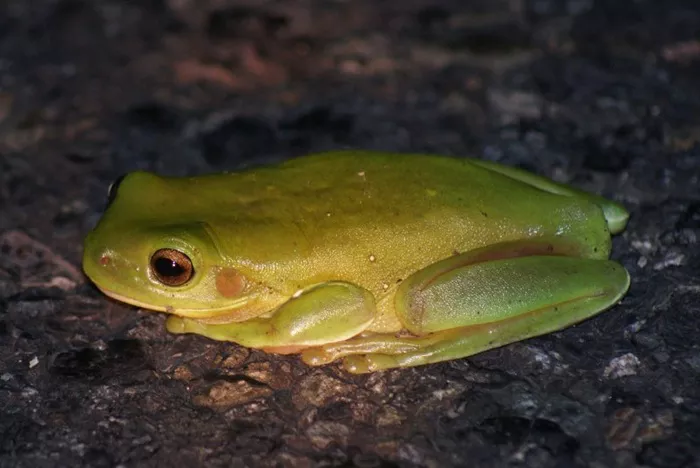
The green tree frog is one of the most recognizable amphibians in warm and temperate regions. Many people see them clinging to windows, hiding among garden plants, or resting near ponds. Their bright green color and calm nature make them popular both in the wild and as pets. A common question from nature lovers and pet owners is simple: how long does a green tree frog live?
The answer depends on several factors. These include species type, habitat conditions, predators, disease, diet, and whether the frog lives in the wild or in captivity. In this article, we will explore the lifespan of the Green Tree Frog, focusing mainly on the American species known scientifically as Hyla cinerea, and also referencing the Australian species Litoria caerulea. We will examine their life cycle, environmental pressures, captive care, and the biological reasons behind their lifespan.
Understanding the Green Tree Frog Species
American Green Tree Frog
The American green tree frog, scientifically called Hyla cinerea, lives in the southeastern United States. It prefers wetlands, swamps, ponds, and marshes. This species is slender, smooth-skinned, and usually bright green with a pale stripe running along its side.
Australian Green Tree Frog
The Australian green tree frog, known as Litoria caerulea, is larger and more robust. It is native to Australia and New Guinea. This species is also popular in the pet trade because of its gentle temperament and long lifespan in captivity.
Although both species share the name “green tree frog,” their lifespan can differ due to environmental and genetic differences.
Average Lifespan in the Wild
American Green Tree Frog in the Wild
In natural environments, the American green tree frog typically lives between 2 and 6 years. Some individuals may reach 7 years, but this is uncommon. Wild conditions are harsh and unpredictable. Many frogs do not survive to old age because of predators, weather, and disease.
Australian Green Tree Frog in the Wild
In Australia, the green tree frog often lives around 5 to 10 years in the wild. In rare cases, individuals may survive longer if conditions are favorable and predators are limited.
Average Lifespan in Captivity
Captive American Green Tree Frog
With proper care, American green tree frogs can live 6 to 10 years in captivity. Stable temperatures, consistent food supply, and protection from predators significantly improve survival.
Captive Australian Green Tree Frog
The Australian species is known for its impressive lifespan in captivity. Many individuals live 15 to 20 years. Some documented cases report frogs reaching over 20 years of age under professional care.
This difference highlights the importance of environmental stability and medical support in extending lifespan.
The Life Cycle of a Green Tree Frog
Egg Stage
Green tree frogs begin life as eggs laid in water. A female can lay hundreds of eggs at once. However, only a small percentage survive. Fish, insects, and other predators eat many of them.
Tadpole Stage
After hatching, the frog enters the tadpole stage. Tadpoles live entirely in water. They breathe through gills and feed on algae and plant material. This stage lasts several weeks to months, depending on temperature and food availability.
Metamorphosis
During metamorphosis, the tadpole develops legs, lungs, and absorbs its tail. This is a critical period. Many young frogs die during this transition because they are vulnerable and inexperienced.
Juvenile and Adult Stages
Once fully developed, the frog becomes terrestrial but remains close to water. Sexual maturity usually occurs within one year. From this point, lifespan depends largely on environmental pressures.
Factors That Affect Lifespan in the Wild
Predators
Green tree frogs face many predators. Birds, snakes, fish, raccoons, and larger amphibians all feed on them. Predation is the primary cause of early death in wild populations.
Climate and Weather
Extreme temperatures, drought, and storms reduce survival rates. Frogs are ectothermic, meaning their body temperature depends on their environment. Prolonged cold or heat stress can be fatal.
Habitat Loss
Wetland destruction and urban development reduce suitable habitats. Pollution also affects frog populations. Chemical runoff can harm both eggs and adults.
Disease
Amphibians worldwide face threats from fungal infections such as chytridiomycosis. This disease affects skin function and can rapidly reduce populations.
Factors That Extend Lifespan in Captivity
Controlled Environment
Captive frogs live in temperature-controlled terrariums. Stable humidity levels prevent dehydration. These conditions reduce stress.
Regular Nutrition
In captivity, frogs receive a consistent diet of crickets, mealworms, and other insects. Food is often supplemented with vitamins and calcium, preventing deficiencies.
Veterinary Care
Professional care can detect infections early. Treatment reduces mortality from common health problems.
Signs of Aging in Green Tree Frogs
As green tree frogs age, their activity level decreases. Skin may become less vibrant. Appetite may reduce. Older frogs move more slowly and may rest longer during the day.
Comparing Lifespan With Other Amphibians
Compared to many small amphibians, green tree frogs have moderate lifespans. Some larger frogs can live longer, especially in captivity. However, small species often have shorter lives due to higher predation rates.
Can Green Tree Frogs Live Over 20 Years
In rare captive cases, especially with Litoria caerulea, frogs have reached or exceeded 20 years. This is unusual but possible under optimal care. In the wild, reaching such age is extremely unlikely.
Practical Advice for Pet Owners
Provide Proper Enclosure Size
A vertical terrarium with climbing branches supports natural behavior. Adequate space reduces stress.
Maintain Humidity
Humidity levels should remain between 50% and 70%, depending on species. Regular misting helps maintain skin health.
Ensure Clean Water
Fresh, dechlorinated water prevents toxin exposure. Frogs absorb water through their skin, so water quality directly affects health.
Offer Balanced Diet
Dust insects with calcium and vitamin supplements. This prevents metabolic bone disease.
Why Lifespan Varies So Widely
The wide lifespan range results from ecological pressures and biological design. Frogs produce many offspring because survival rates are low. In captivity, when survival pressures are removed, their biological potential becomes more visible.
Conclusion
So, how long does a green tree frog live? In the wild, most American green tree frogs live between 2 and 6 years, while Australian green tree frogs may reach 5 to 10 years. In captivity, lifespan increases significantly. American species can live up to 10 years, and Australian green tree frogs can live 15 to 20 years or more with excellent care. Lifespan depends on environment, diet, health, and protection from predators. Understanding these factors helps both wildlife observers and pet owners appreciate and support these remarkable amphibians.