
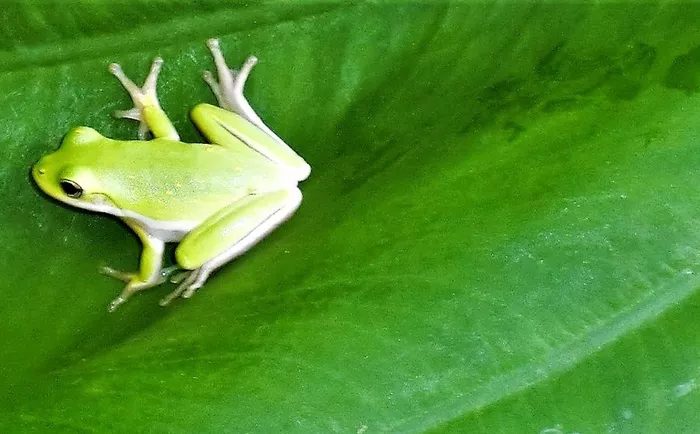
Green tree frogs, known for their vibrant green color and distinctive croaks, are a fascinating species found in various parts of the world. These frogs are primarily nocturnal creatures, which means they are most active during the night. Understanding their eating habits is crucial for anyone interested in these amphibians, whether you’re a pet owner, a biology student, or a nature enthusiast. In this article, we will explore when green tree frogs eat, what they eat, and how their eating patterns align with their natural behavior. Let’s dive into the fascinating world of green tree frogs!
Introduction to Green Tree Frogs
Green tree frogs are small amphibians that belong to the Hylidae family. They are typically found in wetlands, ponds, and forests, particularly in areas with abundant vegetation. These frogs are known for their ability to climb trees and other structures thanks to their specialized toe pads. They are primarily insectivorous, feeding on a variety of small invertebrates such as insects and spiders. However, their eating habits are influenced by several factors, including their environment, activity patterns, and available food sources.
When Do Green Tree Frogs Eat?
Green tree frogs are nocturnal creatures, meaning they are most active at night. Their feeding behavior is directly tied to this nocturnal lifestyle. Generally, green tree frogs eat in the evening and during the night. They rely on their keen sense of hearing and sight to locate prey in low-light conditions. At dusk, when the temperature cools down and humidity rises, green tree frogs begin their hunt. This time of day offers ideal conditions for foraging as it simulates the moist, cool environment they naturally thrive in.
In the wild, green tree frogs eat at different times depending on environmental factors such as temperature, humidity, and the presence of predators. Typically, they are most active in warmer months when insect populations are abundant. During colder weather or dry seasons, green tree frogs may enter a state of dormancy or reduce their eating habits until conditions improve.
Factors That Affect Feeding Time
Several factors influence the feeding habits of green tree frogs. Let’s look at the key elements that determine when they eat:
1. Temperature and Weather
Temperature plays a significant role in the feeding behavior of green tree frogs. These amphibians are cold-blooded, meaning their body temperature depends on their environment. When the temperature is cooler at night, green tree frogs become more active, increasing their chances of finding food. Warm weather also attracts more insects, which provides an abundant food supply for these frogs.
2. Light and Darkness
As nocturnal creatures, green tree frogs prefer to hunt in the dark. They rely on their excellent vision and sensitive hearing to track down their prey. During the day, when sunlight is harsh and temperatures are high, they seek shelter in the trees, waiting for nightfall. The transition from daylight to dusk triggers their feeding behavior, and they begin their nightly search for food.
3. Humidity Levels
Green tree frogs are highly sensitive to humidity levels. The moist environment during the evening helps prevent dehydration, which is critical for their survival. Increased humidity during the night allows them to stay hydrated while foraging for food. Therefore, they are more likely to eat when the humidity is higher, which is typical of evenings and nights.
What Do Green Tree Frogs Eat?
Green tree frogs are primarily insectivores. Their diet consists mainly of small invertebrates that are abundant in their environment. Some common foods that green tree frogs consume include:
1. Insects
The primary food source for green tree frogs is insects. They are particularly attracted to flying insects such as moths, flies, and mosquitoes. Their long, sticky tongues are perfectly designed for catching prey mid-air or from surfaces like leaves and branches. They are also known to hunt ground-dwelling insects like beetles, crickets, and ants.
2. Spiders
In addition to insects, green tree frogs also consume spiders. These arachnids provide a rich source of protein and are often caught by the frogs while they are hiding among the branches or leaves of trees. Spiders tend to be slow-moving, which makes them an easy target for frogs.
3. Other Small Invertebrates
Green tree frogs may also consume other small invertebrates, such as snails, worms, and small crustaceans. These creatures are typically found in moist environments, which is why green tree frogs prefer areas near water sources such as ponds or swamps.
Feeding Habits in Captivity
When kept as pets, green tree frogs follow similar eating patterns to those in the wild. They are most active during the evening and night, which is when their owners should offer food. In captivity, they may eat a variety of insects, including crickets, mealworms, and fruit flies. Some pet owners may also feed them specialized frog pellets or commercially available insect diets. It is essential to ensure that the food provided mimics the natural diet of the frogs to maintain their health and well-being.
How Often Do Green Tree Frogs Eat?
In the wild, green tree frogs may eat every night, depending on the availability of food. However, in captivity, their feeding schedule may vary based on factors such as age, size, and activity level. Juvenile frogs require more frequent feeding, typically every other day, while adult frogs can eat less frequently, around two to three times a week.
Overfeeding can be harmful to green tree frogs, as it may lead to obesity or other health issues. Therefore, it is important to regulate their food intake and provide a varied diet that meets their nutritional needs.
Feeding Strategies
Green tree frogs use several feeding strategies to capture prey. Their long, sticky tongues are the primary tool they use to catch food. They can extend their tongues rapidly, covering a large distance to snatch insects or other small creatures. Their tongues are covered in a mucous secretion, which helps them grip onto their prey. Once the prey is caught, they retract their tongue and swallow the food whole.
Conclusion
In conclusion, green tree frogs are fascinating creatures with unique eating habits. Their nocturnal lifestyle, combined with their reliance on insects and small invertebrates, makes their feeding behavior both efficient and adaptable to their environment. Whether in the wild or in captivity, these frogs follow a clear feeding pattern, eating primarily during the evening and night when conditions are favorable. By understanding their eating habits, we can better appreciate these incredible amphibians and provide them with the care they need to thrive.