
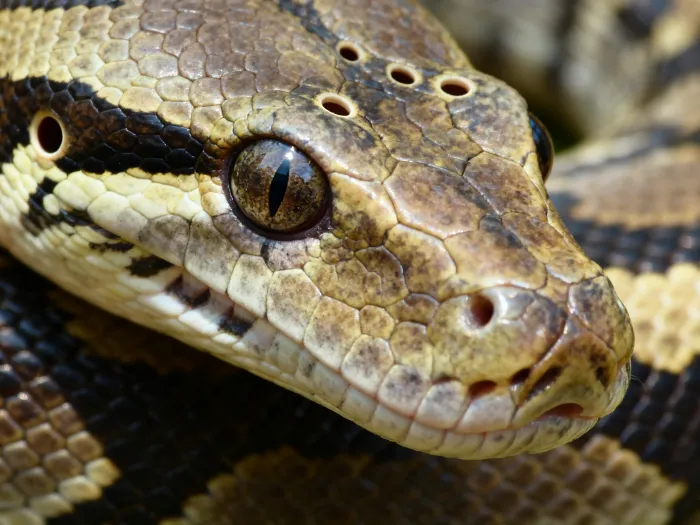
When you think about snakes, do you ever wonder if they can hear you coming? It’s a question that has fascinated reptile experts and curious minds alike: are snakes deaf? Today, we’ll unravel this mystery with simple explanations, vivid analogies, and captivating facts. Don’t miss it—this article could change the way you see these remarkable reptiles!
Introduction: The Core Question
Snakes are some of the most unique reptiles on Earth. But when you walk by a snake, does it hear your footsteps? Or is it completely unaware of sound? This question has led to a lot of suspense—and some surprising answers. Let’s dive into what science tells us about the hearing abilities of snakes and why understanding this can help you interact safely with these fascinating creatures.
How Do Most Animals Hear?
Most animals—including humans, dogs, and birds—have ears that act like tiny satellite dishes. These ears pick up sound waves from the air. Imagine tossing a pebble into a pond; the ripples spread out in all directions. Ears catch these “ripples” of sound so we can react to our environment. But what about snakes?
Snakes and Ears: A Different Design
Here’s where things get interesting. Snakes don’t have visible ears like you or your pet dog. If you look closely at a snake’s head, you won’t spot any ear flaps or holes. Instead, their hearing system is hidden beneath the skin—like having invisible headphones! This unique setup sets them apart from other reptiles.
Can Snakes Hear At All? The Science Explained
So, are snakes deaf? The answer is both yes and no. Snakes cannot hear airborne sounds in the same way humans do. They are essentially deaf to many noises around them—like talking, music, or even clapping hands. However, they’re not completely cut off from the world of sound.
Snakes possess internal ear bones, called the columella (a bit like a tiny stirrup), which are connected directly to their jawbone. When vibrations travel through the ground—say, when someone walks nearby—the snake’s jaw picks up those vibrations and sends them to its inner ear. It’s like feeling the beat of music through your feet at a concert! This means snakes are experts at detecting low-frequency ground vibrations but struggle with high-pitched sounds traveling through the air.
Why Does This Matter in Nature?
This specialized sense helps snakes survive in their environment. For example:
- A green iguana might freeze when it feels vibrations from a predator nearby.
- The rattlesnake uses ground vibrations to hunt prey hiding in tall grass.
Real-life reptile keepers often share stories about how their pet pythons suddenly “wake up” when someone enters the room—long before any visible movement occurs. These anecdotes show just how attuned snakes are to vibration rather than traditional sound.
Common Myths: Busting Misconceptions About Snake Hearing
Many people believe that playing music or talking loudly will disturb a snake. In reality, unless your voice creates strong vibrations on the floor or enclosure glass, your pet python won’t notice much! This myth persists because we tend to compare reptile senses to our own—but snakes are truly in a league of their own among reptiles.
Comparing Snakes With Other Reptiles
Not all reptiles have such limited hearing:
- Lizards have visible ear openings and can hear airborne sounds better than snakes.
- Crocodiles possess both visible ears and good hearing underwater.
Snakes stand out as one of the few reptiles that rely mostly on vibration rather than sound waves in air—a cool evolutionary twist!
Practical Tips for Snake Owners and Enthusiasts
If you keep pet snakes or observe them in nature:
- Move gently to avoid startling them with sudden ground vibrations.
- Don’t worry about playing soft music—they won’t “hear” it like you do.
- Watch how they respond to footsteps or tapping; this is their main way of “hearing” your presence.
Unlocking these secrets makes caring for reptiles even more rewarding!
Conclusion: A Unique Sensory World
In summary, while snakes might be considered “deaf” by human standards, they have an extraordinary ability to sense vibrations through their jawbones—a form of hearing perfectly adapted for their lifestyle as stealthy hunters and survivors. Understanding how these reptiles perceive their world helps us appreciate their complexity and care for them responsibly.
So next time you see a snake slithering quietly by, remember: it may not hear your voice, but it definitely knows when you’re near! Awesome, right?
adventure waiting just beyond doorstep each new day ahead!
Related topics: