
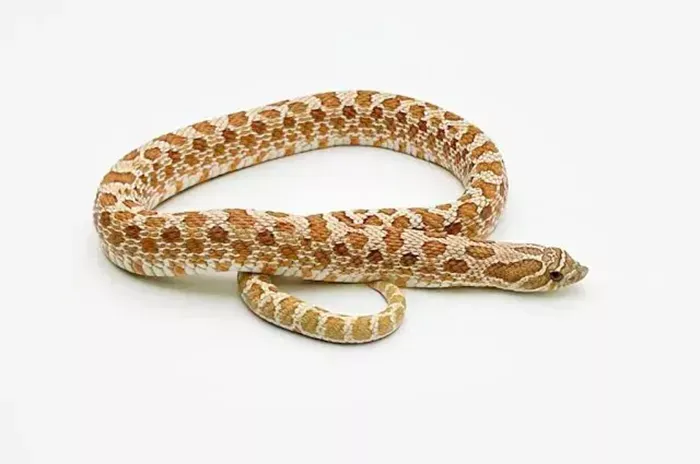
Have you ever heard of a snake that can fake its own death to avoid danger? Sounds like something out of a wildlife thriller, right? Well, the western hognose snake—one of the most fascinating reptiles on the planet—does exactly that! In this article, we’ll take you on a journey to discover what makes this unique species such an awesome and quirky member of the reptile world. Whether you’re a beginner or a seasoned snake enthusiast, there’s plenty to learn and enjoy here. Don’t miss it!
What Is the Western Hognose Snake?
The western hognose snake (scientific name: Heterodon nasicus) is a small, non-venomous reptile native to North America. You can easily spot it by its upturned, pointy nose—imagine someone wearing a little shovel on their face! This special nose helps them burrow into sand and loose gravel, much like you’d use a garden trowel to dig into soil. They’re found in places like prairies, grasslands, and sandy areas where their camouflage skills come in handy.
A Rainbow of Colors and Patterns
If you think all snakes look alike, think again! The western hognose snake comes in a dazzling array of colors and patterns. Some have bold spots like polka-dotted socks, while others sport subtle earth tones that help them blend perfectly into their surroundings. According to keepers at Habitat HQ (EPZ), individuals like Nigel—who arrived in 2022—have become fan favorites for their unique looks and charming personalities.
Defense Mechanisms: Playing Dead Like an Oscar Winner
Here’s where things get really interesting. When threatened, most snakes might hiss or strike, but the western hognose snake takes drama to a whole new level. Imagine you’re at a theater: instead of running away from danger, this snake rolls onto its back, opens its mouth wide, sticks out its tongue, and sometimes even bleeds from its mouth—all to convince predators it’s dead! To top off this performance, it releases a foul smell that rivals rotten eggs (not something you want at your dinner table). This act is so convincing that even experienced predators are fooled.
Think of it like playing possum—a trick some animals use to avoid becoming lunch. Western hognose snakes have perfected this method, making them true masters of disguise in the world of reptiles.
Burrowing Behavior: Nature’s Sand Artist
Thanks to that remarkable pointy nose, western hognose snakes are expert burrowers. Picture them as nature’s little excavators—they push aside sand and gravel with ease to hide from predators or hunt for food. This behavior not only keeps them safe but also helps regulate their body temperature by finding cool spots underground when it gets too hot outside.
If you ever visit EPZ’s Habitat HQ, you might spot Nigel disappearing beneath the sand with just his nose poking out—a sight that never fails to impress visitors and reptile enthusiasts alike (EPZ Habitat HQ anecdote).
Diet: Snack Time for Snakes
Western hognose snakes aren’t picky eaters. Their favorite snacks include frogs, toads, lizards, and sometimes even small rodents. Think of them as tiny vacuum cleaners—they use their sense of smell (which is quite powerful for reptiles) to track down prey hidden under leaves or sand.
Interestingly, these snakes have mild venom in their saliva which helps subdue prey but poses no threat to humans. If you ever watch one eat at feeding time (don’t blink!), you’ll see just how quick and efficient they are.
Keeping Western Hognose Snakes as Pets: What You Need to Know
Because of their manageable size (usually less than two feet long), gentle nature, and stunning appearance, western hognose snakes have become popular pets among reptile lovers. If you’re considering one for your home terrarium:
- Provide a sandy substrate for burrowing,
- Maintain warm temperatures (think cozy blanket on a winter night!),
- Offer hiding spots and fresh water,
- Feed appropriately sized prey,
and always handle with care!
Experienced keepers often share stories about how their hognose snakes “play dead” even during routine cleaning—a quirky reminder of their wild instincts.
Why the Western Hognose Snake Matters in Reptile Conservation
Beyond being awesome pets or exhibit stars at places like EPZ Habitat HQ, western hognose snakes play an important role in local ecosystems. By controlling populations of amphibians and small mammals, they help maintain balance in nature. Conservationists are working hard to protect their habitats so future generations can marvel at these incredible reptiles.
Conclusion: Unlocking the Charm of Western Hognose Snakes
To sum up, the western hognose snake stands out as one of nature’s most entertaining reptiles—with its remarkable burrowing abilities, dramatic defense tactics, and eye-catching colors. Whether you’re visiting Nigel at EPZ or considering adopting one yourself, there’s so much more beneath the surface (quite literally!) waiting for you to discover.
So next time someone mentions reptiles or snakes, remember the little western hognose—the master actor whose performances leave everyone amazed. Now that’s what we call reptile royalty!
Related topics: