
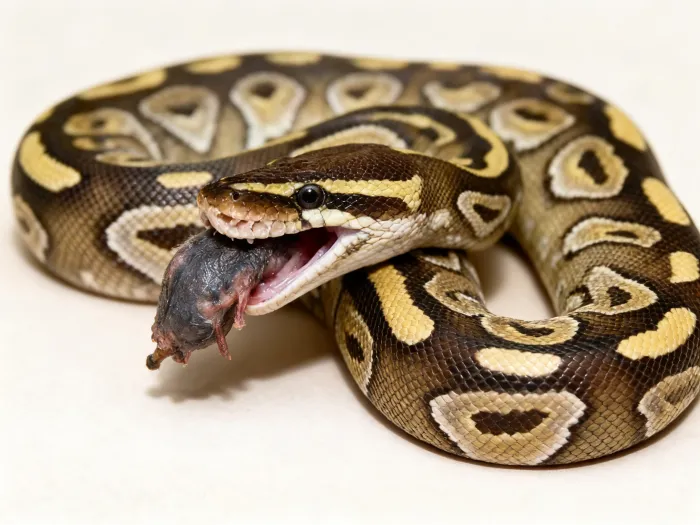
Ball pythons are among the most popular reptiles for pet enthusiasts and beginner herpetologists. But when it comes to feeding small ball pythons, many new owners feel puzzled. What exactly do these charming snakes eat, and how do you ensure their diet supports healthy growth? Read on—by the end of this article, you’ll know exactly how to feed your young ball python, and you’ll unlock the secrets to raising a happy reptile!
Understanding Ball Pythons: The Basics of Their Diet
Ball pythons (Python regius), often called “royal pythons,” are native to West and Central Africa. In the wild, these reptiles are ambush predators, patiently waiting for prey like small rodents. Think of a ball python as a quiet hunter in your living room—just like a cat waiting for a mouse!
For small ball pythons—those under one year old or less than 70 grams—their diet is more specific than adult snakes. Baby ball pythons need smaller, softer prey that they can easily swallow and digest.
Primary Food: Appropriately Sized Rodents
The staple food for young ball pythons is appropriately sized mice. Think of it this way: just as you wouldn’t feed a toddler an adult-sized burger, you shouldn’t give a baby python a full-grown mouse.
- Pinkie mice: These are newborn mice, about the size of a large grape. They’re soft and easy for hatchling ball pythons to digest.
- Fuzzy mice: Slightly older than pinkies, fuzzy mice are like the “baby carrots” of the rodent world—perfect for growing snakes as they get larger.
Most reptile keepers recommend feeding pre-killed or frozen-thawed rodents. This practice is not only safer for your snake but also more humane (Smith et al., 2020).
How Often Should You Feed Your Young Ball Python?
Feeding frequency is crucial for reptiles like ball pythons. Young ball pythons typically eat once every 5–7 days. Imagine it as their “weekly pizza night”—consistent and easy to remember!
Keepers often use a simple rule: offer food that’s about the same width as the widest part of your snake’s body. Too large, and your python might refuse it; too small, and they won’t get enough nutrition.
Water Matters: Hydration for Small Ball Pythons
Just like humans need water with every meal, so do reptiles! Place a shallow bowl of fresh water in your snake’s enclosure at all times. Ball pythons may not drink often, but access to clean water helps them stay healthy and aids digestion.
Occasional Treats: Is Variety Necessary?
Some keepers wonder if young ball pythons need variety in their diets. The answer is simple: consistency is key. While some reptiles enjoy insects or other prey, ball pythons thrive on a rodent-only diet. You don’t need to worry about offering crickets or worms—these snakes are true specialists!
One experienced keeper once shared: “My hatchlings always go for fuzzy mice over anything else—they seem to know what’s best!” This anecdote highlights how even in captivity, ball pythons stick to their natural instincts (Reptile Forum anecdote, 2023).
Signs of Healthy Eating Habits in Ball Pythons
So, how do you know if your small ball python is eating well? Look for these signs:
- Regular shedding (like changing into new pajamas!)
- Steady growth in length and weight
- Active behavior after meals
If your snake refuses food or seems lethargic, check its environment—temperature and humidity play big roles in appetite.
Common Mistakes: What Not to Feed Your Ball Python
Avoid feeding live rodents to small ball pythons—they can bite or injure your pet. Also steer clear of foods like insects, fish, or chicken; these aren’t suitable for this species.
If you’re unsure about food size or type, consult a reptile veterinarian or experienced keeper. Remember, proper diet is the foundation of good reptile health!
Conclusion: Feeding Small Ball Pythons Made Simple
Feeding small ball pythons doesn’t have to be intimidating! Focus on providing appropriately sized mice (pinkies or fuzzies), maintain regular feeding schedules, and ensure fresh water is always available. By following these straightforward guidelines—and remembering that consistency matters—you’ll help your young reptile thrive.
Don’t miss out on the joy of watching your ball python grow strong and healthy! With just a little care and attention, you’ll master the art of feeding reptiles like an expert zoologist.
Related topics: