
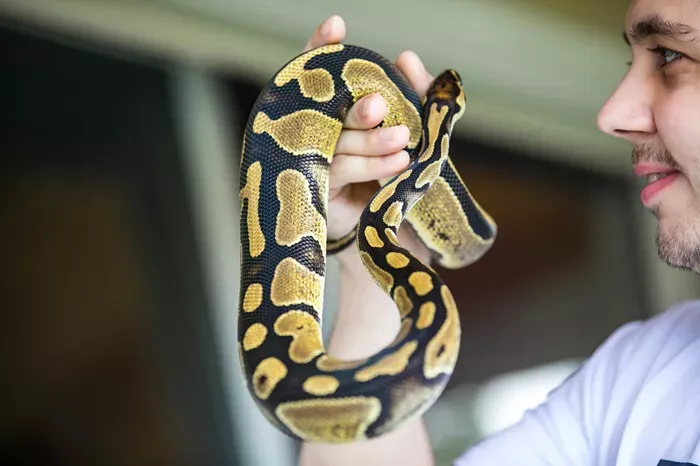
Imagine this: You’re an excited reptile keeper, staring at your cozy terrarium, wondering if your friendly ball python would enjoy having a roommate. It’s a common question among new reptile enthusiasts: Can ball pythons live together? The answer isn’t as simple as a yes or no. In fact, this topic has sparked lively debates across forums, social media groups, and even among professional zoologists. As you read on, you’ll uncover the science, stories, and expert opinions that surround this curious question. Don’t miss out—let’s unlock the mysteries of snake cohabitation together!
Ball pythons are among the most popular reptiles in the pet trade. Known for their docile nature and manageable size, these snakes make excellent companions for beginners and seasoned keepers alike. But like all reptiles, ball pythons have specific needs that must be met for them to thrive. Before you start rearranging your terrarium to fit another slithery friend, let’s explore what makes ball pythons unique—and why their living arrangements matter so much.
Ball Python Basics: Understanding Snake Behavior and Needs
To answer whether ball pythons can live together, we need to understand their natural behavior. Ball pythons (Python regius) are solitary reptiles by nature. In the wild, these snakes spend most of their time alone, hiding in burrows or under logs to avoid predators and regulate their temperature. Think of them like introverts at a party—they’d rather chill in a quiet corner than mingle with a crowd.
Reptiles, including ball pythons, are cold-blooded animals. This means they rely on external heat sources to stay warm. Each snake has its own preferences for temperature and humidity, much like how people have different tastes in music or food. When two ball pythons share a space, it can be tricky to meet both their needs at the same time.
Unlike some other animals that form social groups—like dogs or parrots—snakes don’t crave company. In fact, housing two ball pythons together can lead to competition for resources such as food, water, and hiding spots. Picture two kids fighting over the last slice of pizza—it’s not always pretty!
Ball python keepers often share anecdotes about attempted cohabitation. For example, one reptile enthusiast on a popular forum described how her two ball pythons began refusing food after being placed in the same enclosure. She quickly separated them, and both snakes resumed eating normally—a classic case that shows how sensitive these reptiles can be to stress.
Risks of Cohabiting Ball Pythons: Health and Stress Factors
Now that we’ve set the stage with some basic snake behavior, let’s dig into the risks of housing ball pythons together. The biggest concern is stress. When snakes feel threatened or uncomfortable, they may stop eating, become more aggressive, or even develop health problems.
Stress in reptiles is similar to anxiety in humans—it can affect everything from appetite to immune system function. Ball pythons are especially prone to stress when they don’t have enough space or privacy. If you place two ball pythons in one enclosure, they might compete for the best hiding spot or basking area. Imagine sharing a bedroom with someone who always hogs the blanket!
Another risk is injury. While ball pythons aren’t known for being aggressive toward each other like some snake species (such as king snakes), they can still accidentally hurt one another during feeding or if startled. If one snake mistakes another’s movement for prey during mealtime, bites can happen.
Disease transmission is also a concern. When reptiles share an enclosure, illnesses such as respiratory infections or parasites can spread more easily from one snake to another. Think of it like catching a cold from a roommate—close quarters make it easier for germs to travel.
Veterinarians and zoologists often advise against cohabiting ball pythons unless absolutely necessary (for example, during breeding season under controlled conditions). According to Dr. Emily Taylor of California Polytechnic State University (as cited in Reptiles Magazine), “Solitary housing is almost always safer and healthier for ball pythons.”
Breeding Season: Exceptions and Special Circumstances
You might be wondering: Are there any times when it’s okay to keep ball pythons together? The short answer is yes—but only under very specific circumstances.
During breeding season, experienced breeders will sometimes introduce male and female ball pythons for mating purposes. This process is carefully supervised and usually lasts only a few days or weeks at most. Once mating is complete, the snakes are separated again to prevent stress or injury.
Even during breeding season, keepers must monitor their snakes closely for signs of aggression or distress. If either snake appears stressed—refusing food, hiding excessively, or displaying defensive behaviors—they’re separated immediately.
It’s important to note that breeding is not something beginners should attempt without significant research and preparation. Successful reptile breeders spend years learning about genetics, incubation techniques, and hatchling care before attempting to mate ball pythons safely.
Outside of breeding season (and brief introductions), reputable sources recommend keeping each snake in its own enclosure with individual access to heat lamps, water dishes, and hides. This setup allows each reptile to thrive without competition or stress.
Alternatives to Cohabitation: Enrichment and Interaction Tips
If you’re hoping to give your pet ball python more stimulation or variety in its life—without risking its health—there are safer alternatives than cohabitation.
First off: Enrichment! Just like cats love scratching posts or dogs enjoy puzzle toys, snakes benefit from changes in their environment that encourage natural behaviors like exploring and hiding. You can rearrange hides and branches in your snake’s enclosure every few weeks; it’s like redecorating your room for a fresh vibe.
Some keepers use scented objects (such as pieces of shed skin from other reptiles) or different textures (moss vs bark) to create interesting environments for their snakes to investigate safely alone.
If you own more than one ball python but want them both visible at once (say during cleaning time), use clear but secure barriers so they can see each other without physical contact—a bit like looking through windows at neighbors!
Regular gentle handling also helps build trust between you and your pet snake while providing mental stimulation. Just remember: Always wash your hands between handling different reptiles to prevent disease transmission.
Expert Opinions: What Real Keepers Say About Ball Python Cohabitation
Let’s hear straight from the experts! Many experienced reptile keepers share cautionary tales about housing ball pythons together:
- A breeder from Florida recalled an incident where two juvenile ball pythons housed together began fighting over food despite being fed separately; one suffered minor injuries before intervention.
- An educator at a zoo emphasized that even siblings raised together tend to do better when separated into individual enclosures after their first few months of life.
- Forums such as Ball-Pythons.net feature countless stories where attempted cohabitation led to refusal of food or increased hiding behavior—signs of chronic stress in snakes.
- According to The Reptile Database, solitary housing aligns with best practices recommended by international herpetological associations.
- Dr. Mark O’Shea, renowned herpetologist and author (A Guide to Reptiles & Amphibians), advises: “Ball python welfare depends on providing private space tailored to each individual.”
These perspectives reinforce what scientific studies have shown: While some reptiles may tolerate brief contact under supervision (such as for breeding), long-term cohabitation is rarely beneficial—and often detrimental—to ball python health.
Conclusion: Keeping Your Ball Python Happy—One Snake Per Enclosure!
So what’s the verdict? If you want your pet ball python—or any reptile—to live a long, healthy life full of fascinating behaviors and minimal stress, stick with individual housing! Your snake will appreciate having its own space just like you enjoy privacy at home after a busy day.
Caring for reptiles means respecting their natural instincts and providing environments that mimic their wild habitats as closely as possible. By understanding why solitary living suits ball pythons best—and offering plenty of enrichment—you’ll unlock amazing experiences as a keeper while keeping your scaly friend safe and content.
Awesome! Now you know why experts say “one snake per enclosure” is the golden rule when it comes to ball python care. Remember these tips whenever you’re tempted by those adorable faces at the pet store—and share your new knowledge with fellow enthusiasts! For more on reptiles, check out resources from reputable organizations such as The British Herpetological Society and The Reptile Database.
Related topics: