
Ball pythons are among the most talked-about reptiles in the pet world. But are they truly suitable for beginners? If you’re just stepping into the fascinating universe of reptiles, this question might be spinning in your mind. Let’s dive into the facts, stories, and science behind ball pythons to help you make an informed decision.
What Is a Ball Python?
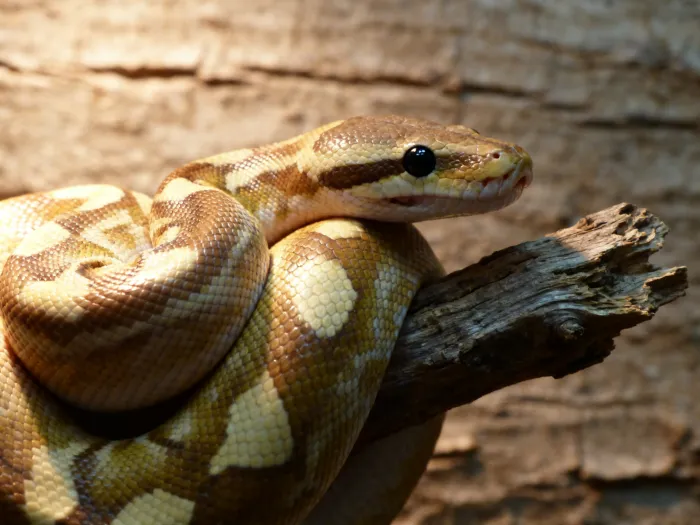
Ball pythons (Python regius) are small to medium-sized constrictor snakes native to West and Central Africa. Their name comes from their habit of curling into a tight ball when frightened—just like how you might hug a pillow when you’re scared! Ball pythons are famous for their gentle temperament and manageable size, making them one of the most popular reptile pets worldwide.
Compared to other snakes, such as boas or reticulated pythons, ball pythons typically reach lengths of 3–5 feet (about as long as a standard sofa). They rarely grow larger than this, which is a big plus for those with limited space.
Temperament: Why Ball Pythons Are Beloved
Many reptile owners praise ball pythons for their calm and docile nature. Imagine meeting a puppy that prefers to curl up in your lap rather than run wild; that’s the vibe you get from most ball pythons. They rarely bite and are usually tolerant of gentle handling. According to a 2022 survey by the International Herpetological Society, over 80% of first-time snake owners reported positive experiences with ball python behavior.
One keeper shared: “My first snake was a ball python named Cocoa. She was so chill—even my nervous friends warmed up to reptiles after meeting her!” Stories like these are common and highlight why these snakes have earned their reputation.
Care Requirements: Simple Yet Specific
Enclosure Size and Setup
A single adult ball python requires an enclosure at least 36 inches long, 18 inches wide, and 12 inches high. Think of it as setting up a cozy studio apartment for your new friend!
Temperature and Humidity
Maintaining proper temperature is crucial. The warm side of the tank should be about 88–92°F (like a summer day), while the cool side can be around 78–80°F. Humidity should stay near 50–60%, similar to what you’d feel on a humid spring morning. Using digital thermometers and hygrometers is highly recommended.
Feeding
Ball pythons eat rodents—usually mice or rats. Juveniles eat every week; adults every two weeks. Feeding is straightforward: thaw frozen prey (never feed live unless necessary), offer with tongs, and watch your snake strike! Just like feeding a pet cat or dog, consistency is key.
Cleaning
Spot-clean waste daily and deep-clean monthly. Think of it like cleaning up after yourself at home—routine care keeps everyone happy!
Health Considerations: What You Should Watch For
Ball pythons are hardy but not invincible. The most common issues include:
- Shedding problems: If humidity is too low, shedding can be incomplete—like peeling off a sticker that won’t come off cleanly.
- Respiratory infections: Signs include wheezing or mucus; usually from improper temperatures.
- Refusal to eat: Sometimes ball pythons “go off food” for weeks or months, especially during breeding season. It’s usually normal but can worry new keepers.
Most health issues can be prevented with good husbandry—meaning proper care and environment.
Cost: Is Owning a Ball Python Affordable?
Initial costs include:
- Snake: $50–$200 (depending on color morph)
- Enclosure: $100–$300
- Heating equipment: $40–$100
- Substrate (bedding): $20 per month
- Food: $10–$20 per month
- Vet visits: $50–$100 annually
Compared to other pets (dogs, cats), ball pythons are relatively affordable to maintain once setup is complete.
Common Mistakes Beginners Make (And How to Avoid Them)
Many first-time owners make mistakes such as:
- Overfeeding (leads to obesity)
- Incorrect temperatures/humidity (causes illness)
- Not providing enough hiding spots (snakes get stressed)
- Handling too soon after feeding (risk regurgitation)
Learning from others’ experiences can help you avoid these pitfalls. As one keeper put it: “I read forums every day before buying my first ball python—it saved me from so many rookie mistakes!”
Are Ball Pythons Right for You? Key Considerations
If you want a low-maintenance reptile with manageable size, gentle personality, and straightforward care requirements, ball pythons are an excellent choice. They’re perfect for beginners who want to learn about reptiles without being overwhelmed.
However, if you’re looking for an interactive pet that enjoys exploring outside its enclosure or performing tricks—think dogs or parrots—a ball python may not be ideal. They prefer solitude and routine over excitement.
Real-Life Stories: Owners Share Their Experiences
Sarah M., a first-time reptile owner from Florida, shares: “I was nervous about owning a snake at first. But my ball python, Gizmo, changed everything. He’s easy to care for and has never bitten anyone.” Another enthusiast adds: “I started with geckos but switched to ball pythons because they’re so forgiving of beginner mistakes.” These testimonials reflect widespread satisfaction among new reptile keepers.
Summary: Unlocking the World of Ball Pythons for Beginners
Ball pythons offer an accessible entry point into reptile keeping thanks to their docile nature, reasonable care needs, and captivating appearance. With proper research and preparation, you can enjoy years of companionship with this remarkable species.
If you’re ready to begin your journey into the world of reptiles—and want a pet that’s both fascinating and beginner-friendly—the ball python is an awesome choice! Don’t miss out on exploring this amazing species further as you continue learning about reptiles and responsible pet ownership.
Related topics: