
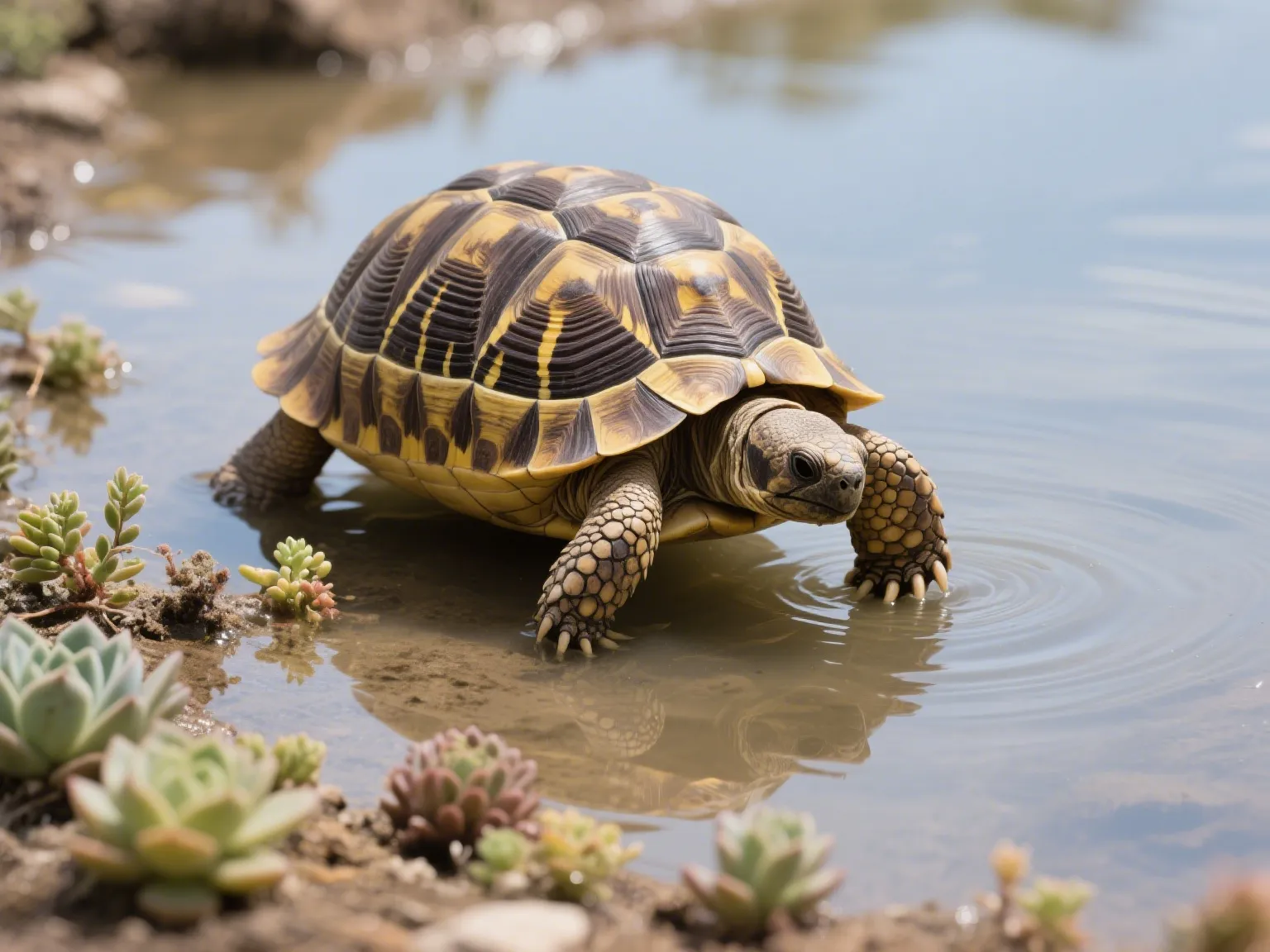
Hermann’s tortoise (Testudo hermanni) is one of Europe’s most beloved reptiles. But how do you know if your tortoise is truly happy? This article dives into practical, science-backed ways to ensure your Hermann’s tortoise thrives. Whether you’re a beginner or an experienced keeper, these tips will help you create an environment where your tortoise can flourish. Let’s explore what happiness means for this fascinating species and how you can provide it.
Understanding Hermann’s Tortoise: Basic Facts and Natural Behavior
Hermann’s tortoises are small-to-medium-sized reptiles native to southern Europe. They belong to the family Testudinidae and are classified as vulnerable by the IUCN due to habitat loss and illegal trade. These tortoises have highly arched shells with striking yellow and black patterns, especially when young. Males tend to have longer tails with spurs, while females are larger overall.
In the wild, Hermann’s tortoises spend their mornings basking in the sun to warm up before searching for food—mostly wildflowers and leafy plants. Around midday, they seek shelter from the heat under bushes or hedges, then resume feeding in the late afternoon. Their sense of direction is impressive; they use landmarks, sunlight position, and even Earth’s magnetic lines to navigate.
Creating a Comfortable Habitat: The Foundation of Happiness
A happy tortoise starts with a safe, stimulating habitat. Imagine your home: you need space, comfort, and safety—so does your tortoise!
- Space: Provide an outdoor enclosure that mimics Mediterranean meadows. For indoor setups, use large terrariums (minimum 1m x 0.5m) with secure walls.
- Substrate: Use a mix of organic topsoil and sand—like making a soft bed for your pet! Avoid wood chips or gravel that can cause injuries.
- Shelter: Add hiding spots using logs or plant pots turned on their sides. Think of this as their cozy bedroom.
- Temperature: Maintain basking areas at 30°C (86°F) and cooler zones around 20°C (68°F). Use heat lamps if needed; too cold makes them sluggish!
- Humidity: Aim for moderate humidity (50-70%). Mist the enclosure lightly but avoid soggy conditions.
- Lighting: UVB bulbs are essential indoors—they help produce vitamin D3 for strong bones.
Many keepers share stories of their tortoises exploring every corner of their enclosures once these needs are met—a clear sign of contentment!
Nutrition: Feeding Your Tortoise Like Nature Intended
Just like humans need balanced diets, so do reptiles like Testudo hermanni. In nature, they eat wildflowers, weeds, and occasional fruits. In captivity:
- Greens: Offer dandelion leaves (in moderation), plantain, clover, hibiscus leaves—think “garden salad” but without dressing!
- Avoid: Buttercups (toxic), legumes (beans/peas), tomatoes, cabbage—all can harm kidneys or digestive systems.
- Fruit: Small amounts only; too much sugar can upset their stomachs.
- Supplements: Calcium powder sprinkled on food helps shell growth.
- Water: Always provide fresh water in shallow dishes.
A study published in Herpetological Journal showed that varied diets reduce health problems in captive Hermann’s tortoises by up to 35% compared to pellet-only diets.
Social Interaction and Enrichment: Stimulating Their Senses
Tortoises may seem solitary but benefit from gentle interaction and enrichment:
- Handling: Limit handling; always support their body fully—imagine carrying a delicate bowl!
- Enrichment: Scatter food so they forage naturally; introduce new safe plants regularly; add rocks for climbing.
- Observation: Watch for signs of stress—rapid breathing or hiding all day may signal discomfort.
Owners often report that their tortoises become more active when given new things to explore—a testament to reptile curiosity!
Health Monitoring: Keeping Your Tortoise Fit and Happy
Regular check-ups prevent illness:
- Shell condition: Should be smooth with no soft spots or cracks.
- Eyes & nose: Clear with no discharge—a runny nose may indicate respiratory issues.
- Weight checks: Weigh monthly; sudden drops suggest health concerns.
- Parasite control: Consult vets annually; outdoor tortoises are prone to worms.
A survey by the British Chelonia Group found that early detection of health issues increased recovery rates by over 60% in pet tortoises.
Seasonal Care: Hibernation Tips for Testudo hermanni
In nature, Hermann’s tortoises hibernate during mild Mediterranean winters. To mimic this:
- Prepare a rodent-proof box filled with dry leaves in a cool basement (~5°C/41°F).
- Alternatively use a dedicated fridge (not below freezing!)
- Healthy adults can hibernate for up to five months; juveniles need shorter periods or none at all.
Proper hibernation leads to better long-term health and longevity—some individuals live over 80 years!
Conservation Matters: Protecting Reptiles Like Hermann’s Tortoise
Hermann’s tortoise is listed under CITES Appendix II; international trade requires strict documentation. Conservation programs have successfully reintroduced populations through habitat protection and highway fencing projects across Europe since 1989. By caring responsibly for your pet, you contribute indirectly to species survival—every happy captive animal is an ambassador against illegal trade!
Conclusion: The Pathway to a Happy Tortoise Is Clear
Making your Hermann’s tortoise happy is about providing a naturalistic environment, balanced nutrition, enrichment activities, vigilant health monitoring—and respecting its unique needs as a reptile species. Remember: every small improvement in care brings big rewards in well-being! By following these guidelines, you’ll unlock the secret world of Testudo hermanni happiness—and enjoy many years together with this remarkable reptile companion.
Related topics: