
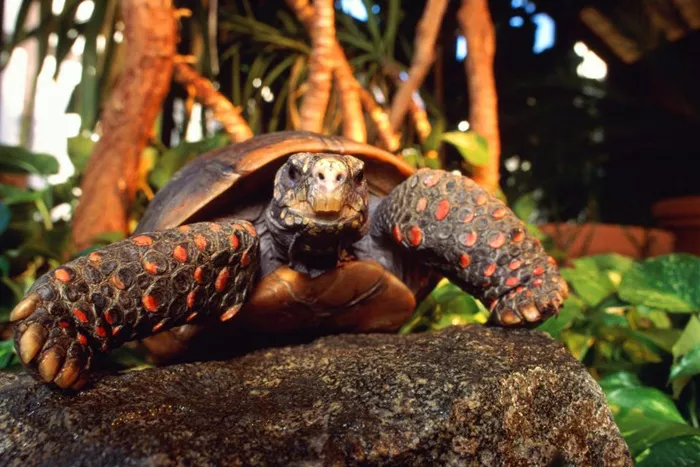
Red foot tortoises (Chelonoidis carbonarius) are fascinating reptiles that many pet enthusiasts adore. But if you are a reptile lover, you may have asked yourself: do red foot tortoises hibernate? Let’s uncover this mystery together and explore how these amazing creatures adapt to their environment.
Introduction: The Mystery of Red Foot Tortoises and Hibernation
Have you ever noticed that some animals slow down or disappear when winter comes? Bears sleep through the cold, hedgehogs curl into balls, and frogs hide under mud. This is called hibernation. But what about red foot tortoises? Many reptile owners wonder if these tropical species also sleep through cold months. Understanding this is essential for your tortoise’s health. If you misinterpret their behavior, you could harm them without knowing.
Red foot tortoises are native to South America. They thrive in warm, humid areas like rainforests and savannas. Unlike animals in cold climates, red foot tortoises live where temperature changes are minimal. This is why the question of hibernation is so interesting and relevant.
What Is Hibernation?
Before we talk about red foot tortoises, let’s define hibernation. Hibernation is a state where animals slow down their metabolism, eat very little, and sleep for an extended period to survive cold or scarce food. Think of it like a car running on minimal fuel during a long journey.
Hibernation is common in reptiles from temperate zones. For example, box turtles in North America hibernate for months. Their bodies slow down to conserve energy. However, tropical species like red foot tortoises experience little winter and plenty of food year-round. This environment affects their sleeping patterns and metabolism.
Do Red Foot Tortoises Hibernate?
The short answer is no, red foot tortoises do not hibernate in the wild. Unlike cold-weather reptiles, they live in regions where the temperature rarely drops below 20°C (68°F). Their environment allows them to stay active year-round. In fact, hibernating would be dangerous for them because their bodies are not adapted to survive cold conditions.
However, red foot tortoises do have periods of lower activity. During the dry season, they may eat less and move slower. This is called brumation, which is similar to hibernation but not identical. Brumation is like taking a nap instead of sleeping through the winter. It helps them conserve energy when food is scarce.
How Red Foot Tortoises Adjust to Temperature Changes
Even though red foot tortoises don’t hibernate, they are sensitive to temperature changes. When temperatures drop below 22°C (72°F), you may notice your tortoise moving slowly or hiding more often. This is a natural response and does not mean hibernation. Think of it like how you might feel sleepy or less active on a cool, rainy day.
In captivity, it is crucial to maintain proper temperature and humidity. Red foot tortoises need a basking spot around 30°C (86°F) and ambient temperatures around 25°C (77°F). Low temperatures can stress them and lead to health problems like respiratory infections.
Signs of Brumation in Red Foot Tortoises
While true hibernation does not occur, some red foot tortoises show signs of brumation:
Reduced Appetite: They may eat less than usual.
Slower Movement: Your tortoise might move sluggishly.
More Hiding: They spend more time in shelters or burrows.
Less Social Interaction: They may not interact as much with their environment or owners.
If you observe these signs, it’s not a problem if your tortoise remains otherwise healthy. Providing warmth and hydration will support them during this period.
Red Foot Tortoises in Captivity: Care Tips
Understanding that red foot tortoises don’t hibernate is important for proper care. Here are some key points:
Temperature Control: Use heat lamps and heaters to maintain warmth. Avoid cold drafts.
Humidity: Keep humidity around 70-80%. Misting and moist substrates help.
Diet: Provide a mix of leafy greens, fruits, and vegetables. Nutrient-rich diets prevent deficiencies.
Shelter: Provide hiding spots to help them feel secure.
Monitoring Health: Watch for signs of stress or illness, especially in cooler months.
Many owners share stories about their red foot tortoises refusing food during the dry season. Don’t worry if your tortoise skips meals occasionally, as long as hydration and warmth are adequate.
Common Misconceptions About Hibernation
Some people believe all reptiles hibernate, but this is incorrect. Only species from temperate or cold regions need hibernation. Tropical species like red foot tortoises rely on stable temperatures and food supply.
Another misconception is that cold exposure is harmless. Lower temperatures can suppress their immune system, making them vulnerable to infections. This is why it’s critical to provide consistent warmth in captivity.
Interesting Facts About Red Foot Tortoises
- Red foot tortoises have beautiful red or orange scales on their limbs.
- They are excellent diggers, creating burrows to stay cool or escape predators.
- In the wild, they play a vital role in seed dispersal, helping plants grow.
- They can live up to 50 years with proper care, so understanding their needs is a long-term commitment.
These fascinating behaviors show how adaptable and special red foot tortoises are. Knowing that they do not hibernate helps you create the best environment for them.
Conclusion
In summary, red foot tortoises do not hibernate because their tropical habitat provides warmth year-round. However, they may experience periods of lower activity, similar to brumation. Recognizing these patterns and maintaining proper care ensures their health and happiness.
Providing stable temperature, humidity, nutritious food, and secure shelter are essential steps for any red foot tortoise owner. By understanding their natural behavior, you can enjoy watching your tortoise thrive in a safe and supportive environment.
Your journey with red foot tortoises is amazing. Don’t miss the chance to observe their unique behaviors and vibrant personalities. These incredible reptiles will reward you with years of fascination and companionship.
Related topics: