
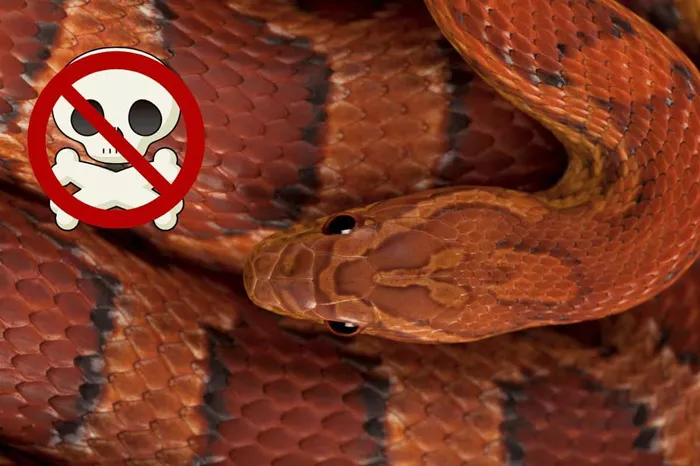
Corn snakes (Pantherophis guttatus) are some of the most popular pet snakes around the world, known for their striking coloration and calm temperament. However, a common question that arises for people interested in owning or learning about corn snakes is: Do corn snakes have venom?
In this article, we will answer this question in detail. We’ll break down the biology of venomous snakes, compare them to corn snakes, and explore some interesting facts that will help you better understand these beautiful reptiles.
By the end of this read, you’ll know the real story behind corn snake venom, whether you’re a new snake owner or just curious about these fascinating creatures.
What Is Venom and Why Does It Matter?
Venom is a toxic substance that certain animals produce, mainly to capture and digest prey. Think of it as a natural weapon—similar to how a spider uses its web to catch insects. Venomous snakes use their venom to immobilize prey, making it easier to eat. For most venomous snakes, venom also serves as a defense mechanism against predators.
In the case of snakes, venom is typically delivered through specialized teeth, called fangs. These fangs act like hypodermic needles, injecting venom into the prey. Venomous snakes include species like cobras, vipers, and rattlesnakes.
But here’s the important thing to remember: not all snakes are venomous. Corn snakes, for instance, are non-venomous. They use a different method to capture and subdue their prey. Let’s dive into the science behind this!
Corn Snakes: The Non-Venomous Hunters
Corn snakes are a type of rat snake, meaning they belong to the genus Pantherophis. These snakes are known for their ability to catch and consume small rodents, such as mice and rats. But unlike venomous snakes, corn snakes do not use venom to catch or subdue their prey. Instead, they rely on constriction.
What Is Constriction?
Constriction is a method of hunting where the snake wraps around its prey and squeezes until the prey is immobilized. It’s similar to how you might use a towel to wring out water. Once the prey is subdued, the snake swallows it whole. Constriction is a very effective method for corn snakes, allowing them to hunt without the need for venom.
Do Corn Snakes Bite?
Yes, corn snakes can bite if they feel threatened or are provoked. However, their bite is non-venomous, meaning it won’t inject any toxins. In fact, bites from corn snakes are relatively rare and are usually just a warning to stay away. Their small teeth aren’t designed to pierce deeply into skin like the fangs of venomous snakes, and any injury caused is usually minor.
How Do Corn Snakes Compare to Other Snakes?
Let’s put things into perspective by comparing corn snakes with some venomous snakes. Imagine a rattlesnake. When it bites, it injects venom to paralyze its prey. This venom contains powerful enzymes that break down tissues, making it easier for the snake to digest its meal. However, corn snakes don’t need venom because they’ve evolved to capture and eat prey through constriction.
If we were to draw a simple analogy, think of corn snakes as skilled wrestlers, using their strength to overpower their prey, while venomous snakes are more like skilled marksmen, using venom to strike from a distance.
What About the Misconception of Corn Snake Venom?
It’s easy to see where the confusion comes from. After all, corn snakes are often compared to other snakes that look similar but are venomous. One example is the eastern coral snake, a venomous species that shares some of the same color patterns as corn snakes. However, the resemblance is just skin-deep!
Some people might also be concerned about the idea of “dangerous bites” from corn snakes, but this is typically due to misinformation. Corn snakes have very mild temperaments and are generally quite docile, making them great pets for first-time snake owners. Their bites, if they happen at all, are nothing to worry about.
Are Corn Snakes Dangerous?
While it’s true that no animal is entirely free of risks, corn snakes are very safe to handle. They are not aggressive by nature and rarely bite. Even when they do, their bite is more of a warning than a serious attack. Unlike venomous snakes, which rely on their venom to defend themselves, corn snakes have no need for venom. Their primary defense is their ability to hide and avoid confrontation.
What Should You Do If You Are Bitten by a Corn Snake?
In the very rare case that you are bitten by a corn snake, it’s usually a minor injury. You should:
- Clean the wound with soap and water.
- Apply antiseptic to prevent infection.
- Monitor the bite for signs of infection like swelling or redness.
Remember, corn snakes are not dangerous. Even if you do get a bite, it’s likely to be a small scratch.
Fun Facts About Corn Snakes
Color Variety: Corn snakes come in a variety of colors, ranging from red, orange, and yellow to darker brown and black shades. This wide range of colors is why they are so often confused with venomous species.
Great Pets: Corn snakes are one of the most popular snakes in the pet trade because of their calm nature, ease of care, and non-venomous status.
Constrictors, Not Biters: They are fantastic constrictors, capable of overpowering prey many times their size, but they do not rely on venom to do this. They simply wrap around their prey and squeeze until it’s immobilized.
Native Habitat: Corn snakes are native to the southeastern United States, where they are found in a variety of environments, including forests, grasslands, and even farmlands.
Small Prey: Their diet mainly consists of small rodents, such as mice and rats, but they can also consume birds and other small animals.
Conclusion
So, do corn snakes have venom? The simple answer is no. Corn snakes are completely non-venomous, and they rely on their impressive constriction abilities to catch and eat prey. While their bite might be intimidating, it’s harmless, and these snakes are known for being calm, making them excellent pets for beginners.
Corn snakes are a perfect example of how not all snakes need venom to survive and thrive. Their behavior, coloration, and hunting methods make them fascinating creatures to learn about. If you’re looking to own a pet snake or simply enjoy the world of reptiles, corn snakes are a great choice.
Related topics: