
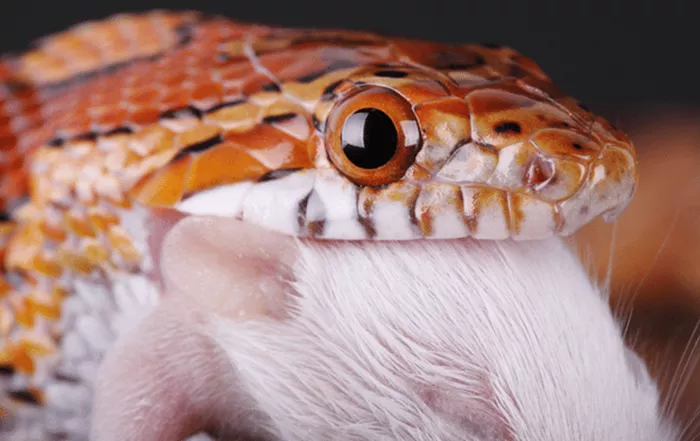
Corn snakes are one of the most popular pet snakes in the world. They are known for their calm nature, manageable size, and beautiful patterns. But if you are a new reptile owner, you may wonder, can corn snakes eat crickets? This is a question that comes up often in forums, pet stores, and reptile communities. In this article, we will dive deep into this topic, breaking down the facts in a simple and easy-to-understand way, so even beginners can feel confident in caring for these amazing reptiles.
Introduction: The Mystery of Corn Snake Diets
Corn snakes, scientifically known as Pantherophis guttatus, are constrictors from the southeastern United States. In the wild, they mainly eat rodents like mice and small birds. However, as a beginner pet owner, you may think about offering crickets because they are easy to find and inexpensive.
Here’s the suspenseful part: while corn snakes can technically eat crickets, it’s not ideal for their long-term health. Many novice owners make this mistake, thinking crickets are a convenient alternative. But understanding their digestive system and nutritional needs will save you from potential problems down the line. Imagine giving your snake food that seems okay but secretly doesn’t give the energy it needs to grow — this can quietly affect their health over months or even years.
Corn Snakes and Their Natural Diet
Corn snakes have evolved to eat primarily warm-blooded prey. Imagine a corn snake as a natural rodent vacuum. Their bodies are designed to detect heat and smell, which makes finding mice and small birds easy in the wild.
Why Rodents Are Better
Rodents are rich in protein and fat, which are essential for a snake’s growth, energy, and overall health. Crickets, on the other hand, are low in fat and may not provide the necessary nutrients a corn snake needs to thrive.
Think of it like this: feeding a corn snake crickets is like giving a human only vegetables without any protein. Sure, it’s edible, but it won’t support proper growth.
Nutritional Facts
- A typical mouse contains approximately 19-20% protein and 6-9% fat.
- A cricket contains about 14% protein and less than 3% fat.
Clearly, rodents offer a more balanced diet for corn snakes, giving them the energy and nutrients they need. When you look at these numbers, it’s easy to see why experienced breeders rely on rodents rather than insects for long-term health.
Can Corn Snakes Eat Crickets? The Practical Answer
Now, let’s address the question directly. Corn snakes can eat crickets, especially when they are hatchlings or very small. Young corn snakes have tiny mouths, and small prey like crickets may be easier for them to handle.
Feeding Hatchlings
When a corn snake is less than six months old, it might accept crickets as a temporary food option. Some breeders use small crickets to transition hatchlings before introducing pinkie mice (newborn mice).
Tip: Only offer very small crickets, no bigger than the width of the snake’s head.
Tip: Avoid feeding wild-caught crickets as they may carry pesticides or parasites.
Even in this stage, crickets should only be a short-term solution. The goal is to gradually introduce rodents for proper nutrition. Think of it like starting a baby on soft foods before moving to solid meals — crickets are just a soft start, not the full diet.
Frequency and Portion
Hatchlings can eat small crickets every 3-4 days. Always remove uneaten crickets promptly to prevent them from bothering or injuring your snake. Gradually, you can introduce a pinkie mouse every week as a bigger, more nutritious meal.
Risks of Feeding Crickets to Adult Corn Snakes
Feeding crickets to adult corn snakes regularly can cause serious issues.
Digestive Problems
Corn snakes have a digestive system that is optimized for rodents. Crickets have tough exoskeletons made of chitin, which snakes find hard to digest. Over time, this can lead to blockages, constipation, or even regurgitation.
Imagine trying to digest a large, crunchy candy shell without chewing — that’s what a cricket’s exoskeleton does to a snake’s digestive tract.
Nutritional Deficiency
Crickets are low in fat and may not provide enough calories for adult corn snakes. This can result in slow growth, weakened immunity, and overall poor health. Adult snakes require more energy to maintain body functions, and rodents provide the right balance of protein and fat to meet these needs.
Behavioral Issues
Adult corn snakes may refuse crickets altogether. They instinctively hunt rodents, and crickets do not trigger the same predatory response. This could make feeding time stressful for both you and your snake.
Alternative Insect Options
If you are considering insects for variety or enrichment, some species are better than crickets.
Mealworms: High in fat, but still not ideal for regular feeding. Only use as a rare treat.
Dubia roaches: Rich in protein and easier to digest, safer for occasional feeding. Some breeders recommend these for very young snakes to help them start hunting instinctually.
Even with these options, rodents remain the gold standard for corn snake diets. Insects can be thought of as snacks or treats rather than main meals.
Tips for Feeding Corn Snakes Safely
Here are some practical tips to keep your corn snake healthy:
Feed appropriately sized prey: The prey should be about the same width as the widest part of the snake’s body.
Avoid live prey if possible: Live rodents can bite and injure your snake. Frozen-thawed rodents are safer.
Maintain proper temperature: Corn snakes digest best in warm conditions, around 82-85°F. Cooler temperatures can slow digestion and make your snake more vulnerable to illness.
Regular feeding schedule: Hatchlings eat every 5-7 days; adults every 7-14 days. Consistency helps with growth and reduces stress.
Observe behavior: If your snake refuses food or regurgitates often, consult a reptile vet.
Following these guidelines ensures your corn snake thrives and reduces the temptation to use crickets as a shortcut.
Fun Facts About Corn Snakes
- Corn snakes can glide through trees despite being ground hunters.
- Their name comes from the corn-like pattern on their belly.
- Some corn snakes can live up to 20 years in captivity with proper care.
- Corn snakes can swallow prey up to three times their head width — impressive for such a slender snake!
- They are excellent escape artists, so enclosures must be secure.
Knowing these facts helps you appreciate why their diet is so important and why shortcuts like crickets might not work for long-term health.
Stories from Corn Snake Owners
Many experienced reptile owners have shared stories of feeding mistakes:
- Jane, a beginner, tried feeding her adult corn snake crickets for a month. The snake lost weight and refused to eat. After switching to frozen mice, her snake regained health quickly.
- Mike, a breeder, uses crickets only for hatchlings during the first week, then transitions to pinkie mice. His snakes grow fast and stay healthy.
- Linda, a longtime owner, once tried to feed wild-caught crickets to her adult snake. Unfortunately, the snake got a minor infection from parasites. She learned to always use store-bought feeder insects.
These examples show the importance of understanding proper diet choices. Each story reinforces that rodents are safer, more nutritious, and stress-free for your corn snake.
Transitioning from Crickets to Rodents
If you have been feeding crickets to hatchlings, it’s important to make a smooth transition to rodents. Start by offering a tiny pinkie mouse alongside crickets. Most hatchlings will eventually ignore crickets and accept the mouse.
Tip: Use tongs to offer the rodent. Corn snakes respond better to movement.
Tip: Feed in a calm, dim environment to reduce stress.
Conclusion
To wrap it up: corn snakes can eat crickets only when they are very young, but this is not ideal for long-term health. Adult corn snakes should stick to rodents for proper nutrition. Crickets can be used as a short-term solution or enrichment, but not as a staple.
By understanding their natural diet, nutritional needs, and digestive capabilities, you ensure your pet corn snake remains healthy, active, and happy for years to come. Remember, proper feeding is the key to enjoying a long, rewarding relationship with your pet reptile.
Related topics: