
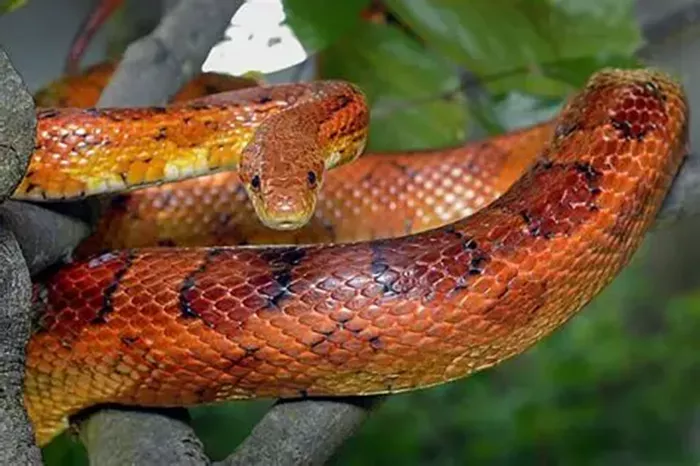
If you’ve ever found yourself asking whether it’s safe or even beneficial to take your corn snake outside, you’re not alone. As a responsible reptile owner, it’s only natural to want to provide the best care for your pet, and this includes understanding their needs when it comes to environmental changes. The answer to this question is not as simple as a yes or no. There are many factors to consider—both in terms of your snake’s health and safety, as well as the regulations surrounding exotic pets. But don’t worry, by the end of this guide, you’ll have all the information you need to make an informed decision.
In this article, we will explore the factors that influence whether it’s okay to take your corn snake outdoors. We’ll cover everything from your snake’s natural habitat and temperament to the risks involved and best practices for outdoor activities. Whether you’re a beginner or an experienced reptile enthusiast, this guide will provide you with all the knowledge you need.
Why You Might Want to Take Your Corn Snake Outside
Before we dive into the considerations, let’s first look at why some pet owners might want to take their corn snake outdoors in the first place. There are several reasons, some of which might surprise you!
Enrichment: Just like other animals, corn snakes can benefit from mental and physical stimulation. A change of scenery, especially one that mimics their natural environment, can help keep them active and engaged.
Sunlight: Snakes are ectothermic, meaning they rely on external sources of heat to regulate their body temperature. Natural sunlight can provide the perfect warmth, which is crucial for digestion and general well-being.
Exploration: Corn snakes are curious by nature. Outdoor exploration offers them new environments to investigate, mimicking the kinds of habitats they would encounter in the wild.
But, before you rush out the door with your snake, there are plenty of things to keep in mind to ensure that it’s a safe and beneficial experience.
The Corn Snake’s Natural Habitat and Temperament
To fully understand whether it’s safe to take your corn snake outside, we need to look at their natural habitat and behavior. Corn snakes (Pantherophis guttatus) are native to the southeastern United States, where they inhabit a range of environments including grasslands, forests, and agricultural fields. They thrive in environments with moderate humidity, temperatures ranging from 70°F to 85°F (21°C to 29°C), and a mix of hiding spots and open spaces.
Temperament: Corn snakes are generally docile and non-aggressive, which makes them great pets for beginners. They are not as likely to become stressed in new environments as some other snake species, but they can still feel overwhelmed by sudden changes or unfamiliar surroundings. This is important to keep in mind when considering outdoor outings.
What to Consider Before Taking Your Corn Snake Outdoors
Temperature and Weather Conditions:
- Snakes are ectothermic, meaning they need external heat sources to regulate their body temperature. If the outdoor temperature is too cold, your corn snake could become lethargic, or worse, suffer from hypothermia.
- On the flip side, excessive heat can cause overheating, leading to heat stress or heatstroke. Always check the weather forecast and avoid taking your snake outside on extremely hot or cold days.
Tip: Always ensure that the outdoor temperature stays within the comfortable range for your snake (around 70°F to 85°F). If it’s too hot or too cold, it’s best to keep your corn snake indoors.
Supervision:
Corn snakes are naturally curious, but this can pose a risk when they are outside. You should never leave your corn snake unattended, even for a moment. A moment’s distraction could result in your snake slithering into a dangerous area.
Tip: When taking your corn snake outside, always keep it on a leash or in a secure enclosure. The last thing you want is to lose your pet in a vast outdoor space.
Predators and Safety Hazards:
Outdoor environments are full of potential dangers for snakes, from natural predators (like birds of prey or cats) to hazards like pesticides, toxic plants, or even lawn equipment.
Tip: Be mindful of the surrounding environment. Always check the area for potential threats, such as open water, sharp objects, or toxic plants, before allowing your corn snake to roam.
Escape and Enclosures:
The risk of escape is significantly higher when you take your snake outside. A small opening in a container, or even a slight lapse in supervision, could lead to your snake escaping into the wild.
Tip: Invest in a secure outdoor enclosure that provides ample space for your snake to explore while keeping it safe. There are also specialized “snake enclosures” that are designed to prevent escapes.
Is Outdoor Time Safe for Corn Snakes?
Outdoor activities for your corn snake can be safe if done correctly. If you live in a region where temperatures are stable, and the environment is free of predators, a brief time outdoors can be a rewarding experience for both you and your snake. However, safety should always come first.
What are the Risks?
Stress: Moving your corn snake from a controlled indoor environment to an outdoor setting can be stressful for the animal. It’s essential to keep an eye on its behavior to ensure that it’s not becoming too anxious.
Signs of Stress: Hissing, rapid slithering, or defensive postures are all signs of stress in snakes.
Tip: Start with short outdoor sessions and gradually increase the time to help your snake adjust.
Injury: Corn snakes are delicate creatures, and certain outdoor environments may present a risk of injury. From sharp rocks to rough terrain, there are many opportunities for your snake to sustain harm.
Tip: Always make sure the ground is smooth and free of obstacles that could injure your snake.
Best Practices for Taking Your Corn Snake Outdoors
Now that we’ve discussed the risks and considerations, let’s look at the best practices for safely taking your corn snake outside.
Use a Secure Enclosure:
If you’re hesitant about letting your snake roam freely, a secure enclosure is a great option. Make sure it has enough ventilation and space for your snake to move comfortably.
Leash Training:
Some pet owners prefer to train their corn snakes to walk on a leash. This allows for more freedom of movement while keeping the snake under control. Leash training can take time, so be patient and consistent.
Supervised Exploration:
Always supervise your snake when outdoors. This will ensure that it remains safe and does not wander into dangerous areas. Keep a close eye on its behavior and environment.
Limit Exposure to Direct Sunlight:
While sunlight is important for your snake’s health, excessive exposure to direct sunlight can cause dehydration or overheating. If you’re taking your snake outside on a sunny day, make sure it has access to shade.
Time It Right:
Avoid taking your corn snake outside during the hottest part of the day. Early mornings or late afternoons are better times when the sun is not as intense.
Transitioning to the Indoor Environment
While outdoor outings can be enriching for your corn snake, it’s essential to transition back to the controlled environment of your home. Corn snakes thrive in stable conditions, and introducing drastic changes can cause stress. After an outdoor adventure, make sure to provide your snake with a quiet, comfortable space to rest and recover.
Conclusion
In conclusion, taking your corn snake outdoors is not inherently dangerous, but it does require careful planning and consideration. By paying attention to temperature, safety, and supervision, you can provide your snake with a safe and enriching outdoor experience. Always start with short outdoor sessions and monitor your snake’s behavior to ensure that it’s comfortable.
Related topics: