
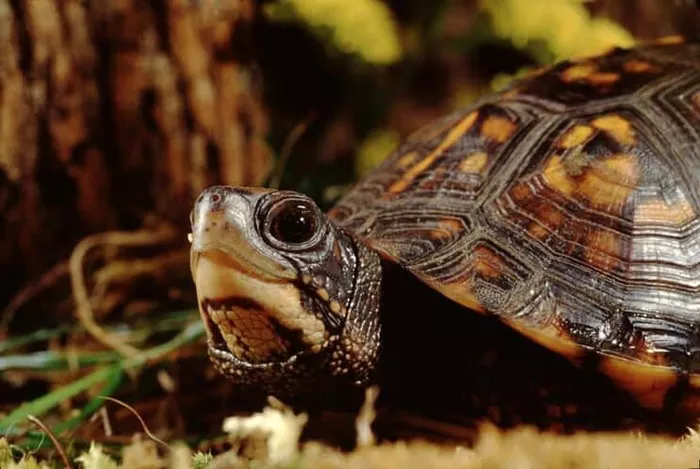
When thinking of turtles, many of us picture them swimming gracefully in the water. But what about the Eastern Box Turtle? You may be surprised to learn that while these turtles can sometimes be found near water, they are not fully aquatic. In fact, their lifestyle and habitat are quite different from that of other turtles like the red-eared slider or the snapping turtle. Let’s dive into the fascinating world of the Eastern Box Turtle to uncover whether these unique reptiles can live in water, or if their lives require a different setup.
Understanding Eastern Box Turtles: A Quick Overview
The Eastern Box Turtle (Terrapene carolina carolina) is a terrestrial species native to the eastern United States. Unlike aquatic turtles, which spend most of their time swimming or basking in water, Eastern Box Turtles primarily live on land. They are well-known for their ability to close their shells tightly, creating a “box” shape that protects them from predators. These turtles are most often found in forests, grasslands, and wetlands, but they are not considered aquatic.
While they need access to water for hydration and occasionally for bathing, they are not adapted for a fully aquatic lifestyle. Instead, they thrive in habitats where water is available but not abundant. So, can they live in water? The short answer is: No, they are not designed to live in water like some other turtles.
The Habitat of an Eastern Box Turtle
Box turtles love land—but with access to water!
Eastern Box Turtles prefer environments that provide a mix of terrestrial and aquatic features. Think of an area with damp soil, shallow streams, or ponds. While they enjoy soaking in water to hydrate or cool down, they don’t need to stay submerged for long periods. Their habitat typically consists of wooded areas with abundant leaves and vegetation, providing them with food, shelter, and humidity.
If you’re planning to keep one as a pet, it’s essential to replicate this environment. A good setup includes a spacious, moist area with a shallow water dish for drinking or occasional soaking. Just keep in mind, they should not be fully submerged in water for extended periods, as they are not built for aquatic life.
Why Eastern Box Turtles Don’t Live in Water
Eastern Box Turtles are not built for swimming.
Eastern Box Turtles possess a different set of adaptations compared to fully aquatic turtles. Unlike species like the red-eared slider, which have webbed feet and streamlined bodies for efficient swimming, box turtles have short, stocky legs and a dome-shaped shell that is better suited for land-based activities.
Box turtles’ shells are designed to protect them from terrestrial predators, and their bodies are not streamlined for fast movement in the water. If placed in water for extended periods, their natural instinct is to head for the shore or find a shallow area to rest.
Breathing and Temperature Regulation
Water-dwelling turtles rely on their ability to breathe while submerged. However, box turtles need to breathe more frequently and are not as comfortable underwater. Their bodies are adapted to regulate their temperature and hydration through the land, where they can find a balance of moist and dry areas. This allows them to soak up water when needed, but they need land to rest, regulate their body temperature, and digest food.
The Role of Water in the Eastern Box Turtle’s Life
Water is important but not a primary habitat.
Even though Eastern Box Turtles do not live in water, they still rely on it to maintain hydration. Unlike aquatic turtles, which submerge themselves in water to eat and swim, box turtles will occasionally dip into shallow pools or streams. They might drink from these water sources, cool down in the summer, or bathe to help with shedding their skin.
If you keep an Eastern Box Turtle as a pet, providing a shallow water dish or a moist environment is important for their overall health. This is where the balance of their care comes into play: they need to soak occasionally but don’t thrive in constant water.
How Much Water Does an Eastern Box Turtle Need?
Hydration is key for box turtles!
Eastern Box Turtles need access to fresh water every day. They may not need a pond or stream in their enclosure, but a shallow water dish will suffice. It’s essential that this dish is not too deep, as the turtle should be able to climb in and out easily. Water bowls should be cleaned daily to prevent bacteria growth.
You might also see your box turtle occasionally taking a soak in the water, especially when shedding its skin or if the weather is particularly hot. While they enjoy these brief dips, they should not be left in standing water for long.
What Happens if Box Turtles Are Left in Water Too Long?
Prolonged submersion is harmful to them.
If an Eastern Box Turtle is kept in water for too long, several things could go wrong. Since they are not adapted for life in water, staying submerged can cause stress, dehydration, and respiratory issues. Box turtles rely on the land to regulate their body temperature, and constant exposure to water may throw off their natural balance.
Moreover, being in water for extended periods can make them more prone to fungal infections or skin rot, as their shells and skin may not dry out properly. This can lead to other health issues that can significantly shorten their lifespan.
What Happens in the Wild?
Box turtles in the wild need a mix of land and water.
In the wild, Eastern Box Turtles may be seen near ponds, streams, or wetlands, but these bodies of water are generally not deep enough to sustain them fully. They are often found in areas where they can find enough food, shelter, and moist soil but can retreat to dry land when needed. They rely on these water sources for drinking, cooling off, or occasional soaking but spend the majority of their time on land.
Setting Up a Proper Habitat for Your Eastern Box Turtle
If you’re interested in keeping an Eastern Box Turtle, creating a habitat that mimics their natural environment is crucial. Here are some tips:
Land Area: Provide a spacious area with plenty of room to move around and hide.
Moist Soil: Keep the soil moist but not soaked, as they need humidity to help with shedding.
Shallow Water Dish: Offer a shallow dish with fresh water for soaking, drinking, and bathing.
Basking Spot: Include a dry, warm area for basking to help regulate their temperature.
Conclusion
In conclusion, while Eastern Box Turtles may dip into water to hydrate and cool off, they are not aquatic animals. Their life revolves around the land, and they need an environment that balances both terrestrial and aquatic elements. Proper care involves offering them access to clean water while ensuring they have enough dry space for basking and resting.
Related topics: