
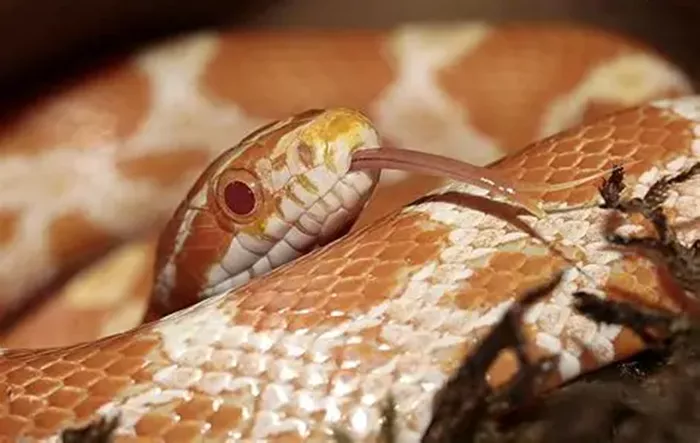
Corn snakes, known for their friendly demeanor and stunning colors, are one of the most popular pet snakes. If you’re considering bringing one into your home or you’ve recently adopted one, you’re likely wondering what to feed your corn snake. Knowing how to provide the proper diet is essential for their health and longevity. In this guide, we’ll explore everything you need to know about feeding your corn snake, from choosing the right food to the ideal feeding schedule.
Understanding the Basics: What Do Corn Snakes Eat?
Corn snakes are carnivores. This means their diet consists solely of meat. In the wild, their primary food source consists of small rodents like mice and rats. These snakes are constrictors, which means they subdue their prey by wrapping around it and squeezing. While feeding a pet corn snake is a bit less dramatic than this natural hunting method, it’s still important to mimic their wild diet as closely as possible.
If you want to make sure your snake stays healthy, it’s essential to provide prey that’s nutritionally balanced and appropriately sized. In most cases, frozen and thawed rodents are the best option. But don’t worry; we’ll dive into the details of how to do that safely and effectively.
Choosing the Right Food for Your Corn Snake
The best food for your corn snake is mice or rats—both of which are readily available at pet stores and online. Some pet owners opt for other prey like chicks or quail, but mice and rats remain the most common and nutritionally complete options for your snake.
Size Matters: Choosing the Right Size of Prey
An essential part of feeding your corn snake is selecting the correct size of food. Generally, the prey should be about the same size as the thickest part of your snake’s body. If you feed a prey item that is too large, your corn snake may struggle to swallow it. On the other hand, if the prey is too small, it won’t provide enough nutrition.
For Example: Imagine feeding your corn snake a mouse that’s too large, like trying to swallow a hamburger when you’re really just hungry for a snack. It’s just not going to work, and might cause digestive issues. On the flip side, offering prey that’s too small is like getting a snack instead of a full meal—you’ll end up needing to feed them more often!
Frozen vs. Live Food: Which is Better for Your Corn Snake?
As tempting as it may be to feed your corn snake live prey, frozen rodents are often the safer choice. Here’s why:
Frozen rodents are safer: Live prey can bite and scratch your snake, causing injury. Even though corn snakes are excellent hunters, a struggling mouse can cause serious harm, especially when the snake is not prepared for it.
Frozen food is more convenient: You can store frozen rodents for longer periods, making feeding easier. When it’s time to feed, you simply thaw the rodent, and you’re good to go.
In fact, most experienced corn snake owners recommend feeding frozen and thawed mice or rats to ensure the safety and health of both the snake and the prey.
How Often Should You Feed Your Corn Snake?
The frequency of feeding depends on the age and size of your corn snake:
Hatchlings and juveniles: These younger snakes need to eat more frequently because they are growing rapidly. Feed hatchlings every 5-7 days.
Adults: Once your corn snake reaches adulthood, you can scale back to feeding every 7-10 days, depending on their size and metabolism.
Overfeeding can lead to obesity, so it’s important not to feed your snake more often than necessary. On the other hand, underfeeding can lead to malnutrition, so don’t skip meals!
Feeding Techniques: How to Safely Feed Your Corn Snake
Feeding your corn snake isn’t just about offering food and waiting for them to eat. Here are some tips for ensuring safe and effective feeding:
Thaw the food properly: Always thaw frozen prey at room temperature or using warm water. Never use a microwave, as it can cause the food to cook and harm your snake.
Offer food with tongs: Use feeding tongs to present the prey to your snake. This prevents any risk of accidental bites and makes the process more manageable.
Observe your snake: Some corn snakes can be picky eaters. If your snake refuses food, don’t panic. It could be due to shedding, temperature changes, or stress. Give your snake a few days before offering food again.
Common Feeding Issues and Solutions
Even the most experienced snake owners face feeding challenges from time to time. Here are some common issues and how to address them:
Refusing Food: If your corn snake refuses food, don’t worry right away. Try offering food at a different time or changing the type of prey. Sometimes, a snake may refuse food due to shedding or environmental stress.
Regurgitation: If your snake regurgitates food, it could be a sign of overfeeding or stress. Ensure your snake is not fed too much and that its habitat is properly set up to avoid causing stress.
Vitamins and Supplements for Your Corn Snake
Corn snakes typically get all the nutrients they need from a diet of properly sized rodents. However, some owners may choose to add supplements. These are usually in the form of calcium powder and multivitamin dust.
Calcium: Calcium is important for a snake’s bone health. If you’re feeding appropriately sized prey, your snake will get the calcium it needs from the bones of the rodents. However, adding a sprinkle of calcium powder can be beneficial, especially for younger snakes.
Multivitamins: Occasionally, you might choose to add a multivitamin supplement, but this is generally not necessary unless recommended by a veterinarian.
How to Tell if Your Corn Snake is Healthy
The health of your corn snake can often be determined by how well it’s eating. Here are some signs that your snake is healthy:
Active and alert: A healthy corn snake should be active and alert, particularly during its feeding times.
Healthy shedding: Corn snakes shed their skin regularly. Healthy snakes will shed in one complete piece without any problems.
Proper weight: A healthy corn snake should have a well-rounded body. If you notice your snake becoming too thin or overweight, consult with a vet.
Conclusion
Feeding your corn snake is about providing the right nutrition, at the right time, and in the right amount. By following these guidelines—choosing the right food, feeding at the correct intervals, and ensuring proper feeding techniques—you’ll help your corn snake live a long, healthy life. Remember, the goal is to mimic nature’s diet as closely as possible to ensure that your pet thrives in its new home.
Related topics: