
Reptiles have fascinated people for centuries, both for their unique appearances and their sometimes misunderstood behaviors. From the slow and steady tortoises to the agile chameleons, reptiles possess a charm that’s both mystifying and endearing. One such reptile that captures the imagination of many is the snapping turtle—a creature with a notorious reputation. But did you know that this turtle has been wrapped in various superstitions over time?
In this article, we’ll dive into the quirky superstitions surrounding snapping turtles, explore their fascinating biology, and discover why they’ve gained such a mysterious reputation. Whether you’re a reptile enthusiast or someone curious about the world of reptiles, this journey into the world of snapping turtles will shed light on these enigmatic creatures.
What Makes Snapping Turtles So Special?
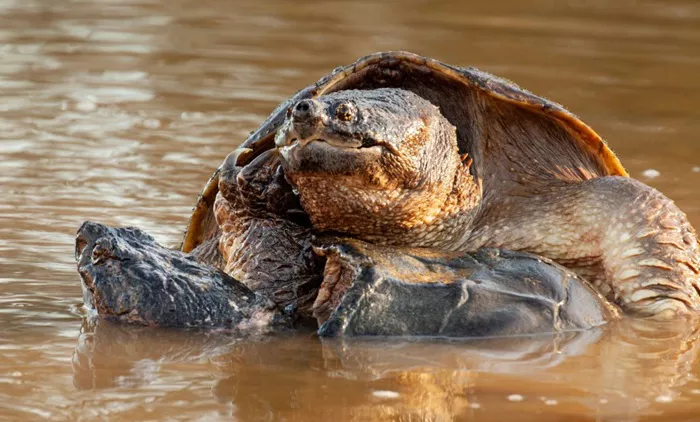
Snapping turtles (Chelydra serpentina) are large, freshwater reptiles known for their powerful jaws and aggressive behavior. Unlike many other turtles, they are often not the friendly, slow-moving creatures that we might expect. They have a rugged appearance with a rough, ridged shell, and a beak-like mouth that is capable of delivering a bite strong enough to sever a finger. This intimidating characteristic has made them a subject of myth and superstition.
Despite their somewhat fearsome reputation, snapping turtles are not inherently aggressive. They are primarily shy creatures that will only snap if they feel threatened. However, this defensive response has contributed to a legacy of folklore and beliefs that have evolved over time.
The Origins of Snapping Turtle Superstitions
Superstitions surrounding snapping turtles date back to ancient times, where these creatures were often seen as symbols of danger or bad omens. In some cultures, it was believed that encountering a snapping turtle would bring bad luck, as the turtle’s aggressive nature was associated with conflict or misfortune.
One common superstition is that snapping turtles have the ability to “snap” a person’s soul if they are bitten. While this idea is certainly more fantastical than factual, it has been a theme in various mythologies. People believed that the turtle’s bite was a way for spirits to pass into the afterlife, which gave the creature a mysterious, almost supernatural power.
In some Native American traditions, the snapping turtle was seen as a guardian of the underworld, connecting the physical world with the spiritual one. This symbolism was sometimes seen as both protective and ominous, as the turtle was believed to carry the souls of the deceased across the waters. Such lore helped reinforce the snapping turtle’s image as a creature with an almost magical influence over the realms of life and death.
Common Superstitions About Snapping Turtles
Bad Luck in Water: A popular superstition in some parts of North America is that if you see a snapping turtle near a body of water, bad luck will follow. It was believed that the turtle was an omen of misfortune for anyone who ventured too close to its territory.
The Soul Snatcher: In folklore, particularly among certain Indigenous cultures, it was said that a snapping turtle’s bite could capture someone’s soul. This led to the belief that a person who was bitten by a snapping turtle would experience bad health or misfortune, or in extreme cases, death.
See Also: Found Snapping Turtle Eggs? Do This First!
Snapping Turtle and Storms: Some people believed that snapping turtles could predict storms or natural disasters. If a turtle was seen aggressively snapping at its surroundings, it was considered a warning sign of impending calamity. The connection between snapping turtles and the weather might be attributed to their highly sensitive nature, as reptiles often react to environmental changes, including drops in atmospheric pressure.
Ancient Wisdom: The snapping turtle, in some cultures, was seen as a creature possessing ancient wisdom. It was believed that the turtle could bring guidance in times of difficulty. However, only those who respected the creature and approached it with caution could receive its wisdom.
Transformation Powers: In some superstitions, snapping turtles were thought to have the ability to transform people. Those who encountered them might undergo a spiritual transformation or shift in life, which could be either positive or negative, depending on the circumstances.
The Science Behind Snapping Turtle Behavior
While these superstitions may be intriguing, snapping turtles are fascinating creatures in their own right. Understanding their natural behaviors and the role they play in ecosystems can help separate myth from reality.
Strong Bites for Defense: Snapping turtles use their powerful jaws to defend themselves against predators. Unlike many turtles that hide in their shells when threatened, snapping turtles will actively bite and snap at anything that comes too close. This behavior, while intimidating, is a survival instinct rather than an aggressive desire to harm.
Long Lifespan and Slow Movements: Despite their fiery nature when provoked, snapping turtles have long lifespans, often living to be 30 to 40 years old, with some even reaching over 50 years. They are also relatively slow-moving animals, often spending most of their time in the water, where they hunt for fish, amphibians, and small invertebrates.
A Common Reptile Pet: As pets, snapping turtles can be both rewarding and challenging. They require a large tank with clean water and a diet rich in protein, including live or frozen fish. Snapping turtles are not ideal pets for beginners, as they require careful handling and attention to avoid bites.
Why Are Snapping Turtles So Popular Among Reptile Enthusiasts?
Reptiles are becoming increasingly popular as pets, and snapping turtles are no exception. Their ancient appearance and mysterious behavior make them fascinating for many reptile owners. Here’s why:
Unique Appearance: The rugged, prehistoric look of the snapping turtle is a big draw for enthusiasts. Their large, armored shells and beak-like mouths give them a powerful, almost mythological presence.
Educational Value: Snapping turtles are often kept in educational settings, as they are a great way to teach children and adults about the diverse world of reptiles. Their behavior, which can be both calm and aggressive, offers unique insights into reptilian instincts.
Cultural Symbolism: For many reptile enthusiasts, owning a snapping turtle is a way to connect with ancient symbolism. Whether you view them as guardians of the underworld or as creatures of wisdom, snapping turtles evoke a sense of mystery and connection to ancient cultures.
Conclusion
While snapping turtles have long been associated with superstitions and myths, these creatures are more than just folklore. They are unique reptiles with fascinating behaviors and a rich history in various cultures. By understanding the science behind their actions, we can appreciate them for what they truly are: resilient survivors of the natural world.
As a reptile enthusiast or pet owner, you might wonder: What surprises can a reptile pet bring into your life? Start by choosing the right species and create your own fascinating animal world.
Related topics: