
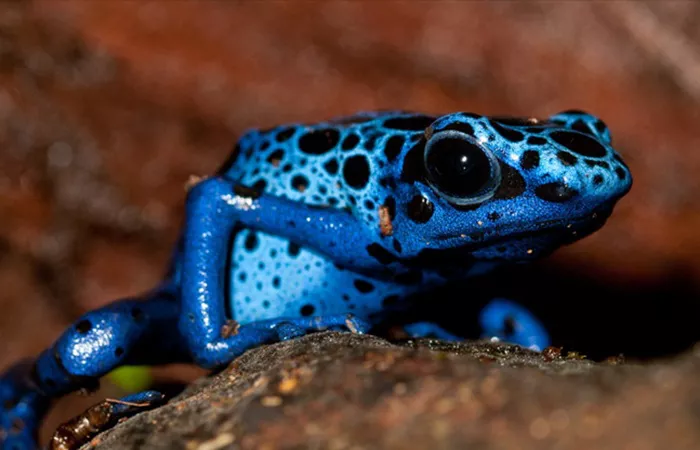
Have you ever wondered what these strikingly beautiful, blue creatures eat? Blue poison dart frogs, known scientifically as Dendrobates tinctorius “azureus”, are famous not only for their stunning color but also for their complex and often misunderstood diet. You might have heard the term “omnivore” thrown around before, but does it really apply to these little amphibians? Do they eat just plants, just animals, or a combination of both? Let’s dive deep into the world of the blue poison dart frog and answer this fascinating question.
In this article, we’ll explore what blue poison dart frogs eat, how their diet differs in the wild compared to captivity, and the role their diet plays in their survival. If you’ve got your curiosity piqued, let’s jump right in!
Are Blue Poison Dart Frogs Omnivores? A Simple Breakdown
First things first: Blue poison dart frogs are insectivores, meaning their primary food source consists of insects. However, they are also considered to be opportunistic omnivores in a broader sense. What does this mean? Let’s break it down.
What Does “Omnivore” Really Mean?
An omnivore is an animal that eats both plant-based food and animal-based food. Think of humans, for example—we eat fruits, vegetables, meats, and grains. In the wild, many animals fall into this category. But blue poison dart frogs? Their diet isn’t so straightforward. While their primary diet includes insects, they occasionally consume other small animals and plant matter in certain conditions.
The Wild Diet of Blue Poison Dart Frogs
When living in their natural habitat, blue poison dart frogs primarily eat a variety of small invertebrates. These include ants, termites, beetles, spiders, and other tiny creatures that thrive in the humid, tropical environment of the rainforests of Suriname and northern Brazil. But there’s more to their diet than just insects—this is where it gets interesting!
Insects and Ants: A Big Part of the Meal
The main food group for these frogs consists of ants. These tiny creatures are rich in toxins, which the frog absorbs into its skin to create its toxic defense. But not all ants are equal. The type of ants the frogs eat can impact the toxicity they absorb. In fact, the potency of their toxins can vary based on their diet.
Spiders, Termites, and Other Critters
Aside from ants, these frogs will also hunt for spiders, termites, and even small beetles. These critters provide a diverse protein source for the frogs, and the occasional variation in diet keeps them in top health.
Plants and Other Miscellaneous Foods
Though blue poison dart frogs are not typically herbivores (plant-eaters), they do occasionally nibble on other sources. Some of these might be decaying plant matter or mosses, though these make up only a small part of their diet. The majority of their nutrition comes from consuming other small animals.
See Also: Find out the Fascinating Survival Strategies of Blue Poison Dart Frogs
How Diet Affects Their Toxicity
Now, here’s where things get truly fascinating: The diet of a blue poison dart frog directly affects its level of toxicity. In the wild, where these frogs consume specific toxic ants, they can accumulate a potent chemical called pumiliotoxin. This toxin is what gives them their deadly defense against predators.
However, if you take one of these frogs into captivity and feed it a more standard diet of crickets or other non-toxic insects, you’ll notice that it loses its poisonous quality. So, the frogs’ omnivorous tendencies (eating a mix of insects and plants) are essential for their survival in the wild, helping them defend themselves from potential threats.
How Diet Changes in Captivity
When a blue poison dart frog is kept in captivity, its diet changes dramatically. In the wild, they thrive on a diverse range of insects, but in captivity, their diet is usually more limited. Common foods for these frogs include:
Crickets
Fruit flies
Pinhead crickets
Small worms
While these foods are a source of nutrients, they do not provide the same toxic effects that come from the frogs’ wild diet. This is why captive blue poison dart frogs are not as toxic as their wild counterparts. But don’t be fooled—while they may lose their deadly toxins in captivity, they still maintain an essential omnivorous behavior by eating a mix of small invertebrates.
Are Blue Poison Dart Frogs the Only Omnivores?
You’re probably wondering: Are there other dart frog species that share the same omnivorous traits? The answer is yes, to some extent. While most dart frogs (like the golden poison dart frog) are predominantly insectivores, some species, like the blue poison dart frog, do have the ability to consume both animal and plant matter. This adaptation helps them thrive in their specific environments.
What Happens if They Don’t Get Enough Food?
Like many reptiles and amphibians, blue poison dart frogs need a balanced diet to stay healthy. If they don’t have enough food, or if they eat a poor diet, they can suffer from malnutrition, weakened immune systems, and stunted growth. This can lead to lower lifespans and an inability to breed.
Blue Poison Dart Frogs in the Pet Trade
Keeping a blue poison dart frog as a pet requires special attention to its diet. Unlike in the wild, you must make sure to feed them a proper balance of insects to mimic their natural omnivorous diet. Offering the right mix of protein-rich foods and the occasional fruit fly or cricket can help your frog stay healthy.
But remember, even though the diet in captivity may not produce toxic levels of poison, it’s still important to ensure they receive the nutrients they need to stay active and healthy.
Conclusion
In conclusion, blue poison dart frogs are, in fact, omnivores in the sense that they eat both animal and plant-based foods. However, their diet is primarily composed of insects and other small invertebrates. Their diet is crucial for their survival and their distinctive toxicity. Whether you’re looking at them in the wild or as a pet, understanding their dietary needs is key to their health and well-being.
Related topics: