
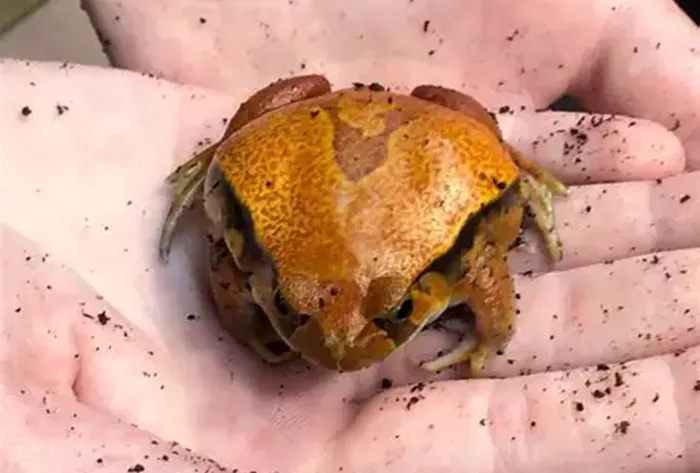
If you’ve ever seen a tomato frog, you know how striking these creatures are. With their vibrant red-orange skin and distinct markings, they are one of nature’s most eye-catching amphibians. But did you know that these frogs also have a fascinating reproductive process? In this article, we’ll dive deep into the reproductive habits of the tomato frog, answering a common question that many frog enthusiasts ask: How many eggs can a tomato frog lay?
To make things even more interesting, we’ll also discuss factors that influence the number of eggs laid, how they breed in captivity versus the wild, and some unique facts about their life cycle. By the end of this article, you’ll understand not only the basics of the tomato frog’s egg-laying behavior but also how to care for them if you’re thinking of adding one to your reptile family.
What Are Tomato Frogs? An Overview of Their Species
Before we jump into the egg-laying process, let’s make sure everyone is on the same page about what a tomato frog is. Tomato frogs (scientific name: Dyscophus antongilii) are a type of amphibian native to Madagascar. These frogs are known for their bright, tomato-like coloring, which is a defense mechanism to warn predators of their toxicity. They’re not only known for their color but also for their unique behaviors and fascinating reproductive habits.
You might wonder, how does the egg-laying process work for these frogs? Let’s explore!
The Reproductive Cycle of the Tomato Frog
When Do Tomato Frogs Lay Eggs?
Tomato frogs typically lay eggs during their breeding season, which is often tied to Madagascar’s rainy season. This is when conditions are optimal for their reproduction — plenty of moisture, suitable temperature, and abundant food. In the wild, females wait for these rainy conditions to stimulate mating. But what about in captivity?
If you’re keeping a tomato frog as a pet, you’ll need to create a similar environment for them to feel comfortable enough to breed. This is key if you’re hoping for egg-laying.
See Also: Top 6 Plants Every Tomato Frog Owner Needs
How Many Eggs Can a Tomato Frog Lay?
Now, let’s get to the heart of the matter: How many eggs do tomato frogs lay?
Tomato frogs can lay a surprising number of eggs. On average, a female tomato frog can lay several hundred eggs at a time, with numbers typically ranging from 200 to 1,000 eggs depending on the frog’s age, health, and environment. These eggs are laid in a mass that floats on the surface of a water source, like a small pool, or in moist, stagnant areas of the wild.
Imagine a tiny clump of jellied eggs that looks almost like a small, gelatinous pancake floating on water. It’s pretty amazing to think that all those tiny froglets will emerge from such a mass.
What Affects the Number of Eggs Laid?
Several factors influence the number of eggs a tomato frog can lay:
Age and Size: Older and larger female frogs tend to lay more eggs. Think of it like the difference between a young plant and a mature tree — the older one will have more resources to produce larger quantities.
Environment: If the conditions aren’t right, the female frog may not lay eggs at all. Just like how a plant needs the right balance of sunlight, water, and temperature to grow well, tomato frogs need the correct environmental conditions to reproduce successfully.
Health: Just like humans, a frog’s health plays a big role in how well they breed. If they are well-nourished and not stressed, they’ll likely lay more eggs. A stressed or malnourished frog may not lay eggs at all.
Diet: Tomato frogs are carnivores, and what they eat directly affects their reproductive success. A well-balanced diet of insects, worms, and other small invertebrates is essential for egg production.
The Egg-Laying Process: What Happens After the Eggs Are Laid?
Once a tomato frog has laid her eggs, what happens next? Let’s break down the egg-laying process:
Fertilization: In the wild, fertilization happens externally. The male frog will fertilize the eggs after the female lays them. The eggs will then begin to develop.
Development: The eggs hatch in about 2 to 4 days, and tadpoles emerge. These tadpoles will live in water and grow through several stages, just like a butterfly metamorphosing from a caterpillar to a butterfly.
Transformation: Over time, the tadpoles start to grow legs, lose their tails, and develop into juvenile frogs. This metamorphosis can take 1 to 2 months, depending on the environmental conditions.
Raising Tomato Frog Tadpoles: A Guide for Pet Owners
If you’re lucky enough to witness your tomato frogs laying eggs and hatching tadpoles, congratulations! You’re in for a treat. However, raising tadpoles requires special care. Here are some tips for raising tomato frog tadpoles:
Water Quality: Make sure the water is clean and free from chemicals like chlorine, which can harm the tadpoles.
Food: Tadpoles feed on algae and other small organisms. In captivity, you can provide them with appropriate food like algae wafers or small insect larvae.
Temperature and Humidity: Tadpoles need a consistent temperature between 65-85°F (18-29°C), and the water should be kept moist to mimic their natural habitat.
The Fascinating Life Cycle of a Tomato Frog
The life cycle of a tomato frog is nothing short of amazing. From the moment the female lays her eggs to the time the tiny tadpoles transform into full-grown frogs, it’s a true testament to nature’s wonder.
Their reproductive habits ensure that the species survives in the wild, with many offspring emerging each year. Understanding the egg-laying process of the tomato frog not only adds to the joy of owning them as pets but also enhances our appreciation for these stunning amphibians.
Conclusion
Tomato frogs are truly incredible creatures, and their reproductive process is just as fascinating as their bright, striking appearance. From their egg-laying behavior to the careful development of their offspring, these frogs offer us a deeper understanding of the life cycle of amphibians. Whether you’re an aspiring frog owner or just fascinated by nature, the reproduction of tomato frogs is something worth celebrating!
Related topics: