
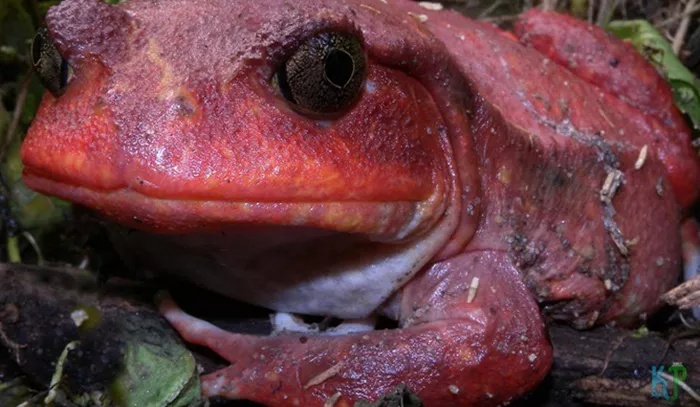
You might have seen a tomato frog‘s vibrant red-orange skin and thought it was an exotic pet you’d love to have. But there’s something else about these frogs that you might not know—do they hibernate like other animals during the colder months? You may have heard that certain species of frogs hibernate during winter, but what about the tomato frog?
In this article, we’ll explore the behaviors of tomato frogs throughout the year and discuss whether they truly enter a hibernation period. Whether you’re a seasoned reptile enthusiast or just starting your journey in amphibian care, you’ll find some awesome insights into what these frogs need to thrive. So let’s dive in!
What Is Hibernation in Reptiles and Amphibians?
Before we talk about whether tomato frogs hibernate, it’s essential to understand what hibernation actually means for reptiles and amphibians.
Imagine you’re living in a place with cold winters. Many animals, like bears or certain reptiles, will “sleep” for the winter to conserve energy because food is harder to find and temperatures are much colder. This sleep-like state is called hibernation, but in the animal world, it’s often referred to as brumation in reptiles and amphibians.
Brumation is like a deep, slow-motion version of hibernation. Animals in this state become less active, their metabolism slows down, and they eat or drink very little, if at all. The difference is that hibernation typically refers to mammals, while brumation is the term used for reptiles and amphibians.
So, what does this mean for your tomato frog? Well, understanding this basic idea will help us figure out if your pet will enter a brumation-like state during colder months.
Do Tomato Frogs Hibernate? The Truth Revealed
Tomato frogs, scientifically known as Dyscophus antongilii, are native to the warm, humid rainforests of Madagascar. This is crucial information because their native habitat plays a significant role in their behavior and care. These frogs are accustomed to a tropical environment, where temperatures stay warm year-round and rainfall is frequent.
Unlike animals in colder regions, tomato frogs do not face the need to survive harsh winters. They are not adapted to experience freezing conditions, nor do they undergo a prolonged period of dormancy to survive winter. So, no—they do not hibernate in the traditional sense.
However, they do have unique behaviors that might seem similar to hibernation. Let’s break these down so you can understand what’s really happening with your pet during the cooler months.
See Also: Where Are Tomato Frogs Found? Discover Truth
Tomato Frogs’ Slow Periods: What Happens in Cooler Weather?
While tomato frogs do not hibernate, they do experience slower periods of activity. This is especially true in the winter months or in cooler conditions. But instead of hibernating, they enter a state of reduced activity.
Reduced Movement
When temperatures drop or when the frog’s environment is less humid, you might notice that your tomato frog becomes less active. This isn’t hibernation, but it’s similar to what happens in brumation. During this time, tomato frogs will burrow into the substrate or hide in their shelter, becoming much less active.
Tomato frogs are primarily nocturnal, so even in warmer weather, you might not see them moving much during the day. But in cooler weather, they may spend more time resting in their burrows or hiding spots.
Less Eating and Drinking
One of the key signs of brumation in reptiles is a decrease in eating and drinking. Tomato frogs, too, might eat less during these slow periods. This is especially true if the environmental conditions aren’t to their liking. If your tomato frog is not eating as much, don’t be alarmed—just like other amphibians, they can go through phases where they don’t need as much food.
However, it’s important to keep an eye on your frog’s health. If your frog stops eating for extended periods and shows signs of being sick (like weight loss or lethargy), you should consult a veterinarian to make sure everything is okay.
How to Care for Your Tomato Frog in Cooler Weather
Since tomato frogs don’t hibernate, you still need to provide them with a stable environment to keep them healthy year-round. Here are some tips for caring for your tomato frog during the colder months:
Temperature and Humidity
Tomato frogs are tropical creatures and need warmth to stay active and healthy. You should maintain a temperature range between 65°F and 85°F (18°C and 29°C) in their habitat. Use a heating pad or heat lamp to keep the temperature consistent.
Humidity is also key. Tomato frogs thrive in high humidity, between 65% to 80%. Use a mister or humidifier to maintain the moisture level in their tank.
If the temperature in your room falls too low, your tomato frog may not be able to remain as active as it usually does, which is why you’ll need to monitor these conditions closely.
Providing a Proper Habitat
Your tomato frog needs a place to hide during these less active times. You should provide a substrate where your frog can burrow. Coconut fiber or sphagnum moss works well, as it retains moisture and allows the frog to dig in. You don’t need to worry about creating a hibernation space—just ensure your frog has a safe, comfortable hideaway.
What If My Tomato Frog Goes Into Hibernation-Like State?
If you notice that your tomato frog’s behavior changes drastically, it’s essential to assess the situation. While it may appear that your frog is entering a hibernation-like state, it could be a sign that the temperature or humidity is not in the ideal range.
Check Environmental Conditions
If your frog seems sluggish or inactive for a prolonged period, double-check the tank’s conditions. Ensure that the water is clean and dechlorinated, and that the temperature and humidity are within the right range. You can invest in a thermometer and a humidity gauge to make sure the environment stays optimal.
Health Check
If there are no changes in the environment, but your frog continues to appear lethargic or stops eating for an extended time, it’s time to consider that your frog might be sick. In such cases, it’s important to contact a veterinarian with experience in amphibians.
Common Misconceptions About Tomato Frogs and Hibernation
Tomato Frogs Hibernate Just Like Bears
This is a common misconception. While many animals in colder regions hibernate to survive, tomato frogs do not. They are tropical animals, and their environment doesn’t change drastically enough to require them to hibernate.
Tomato Frogs Will Be Completely Inactive in Winter
While tomato frogs slow down during cooler weather, they don’t go into complete dormancy. You’ll still see them move around, though less frequently.
Conclusion
To wrap things up, tomato frogs do not hibernate in the traditional sense. Instead, they go through slower periods of activity, particularly when the environmental conditions are not ideal. With proper care, these amazing amphibians can thrive year-round in your home.
By maintaining the right temperature and humidity levels, you can keep your tomato frog healthy and happy throughout the year, even if they seem less active during the cooler months.
Related topics: