
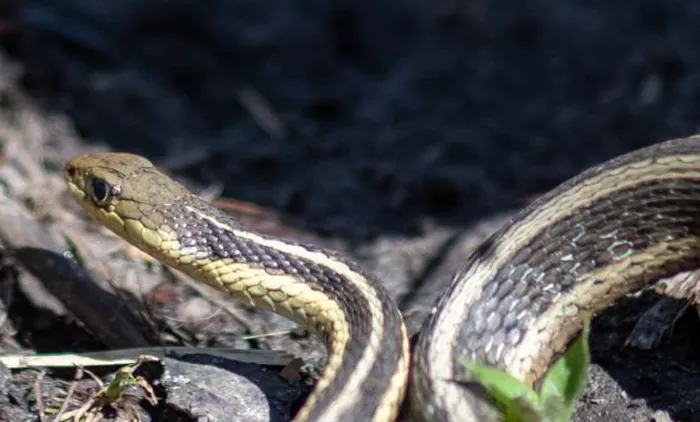
When you think of snakes, what comes to mind? Maybe a rattling sound or a slithering movement? What if I told you there’s a snake you might encounter in your backyard or nearby forests that is both harmless and beneficial to the environment? Meet the brown garter snake—a creature that blends perfectly into its surroundings and plays an important role in the ecosystem.
While many people might instinctively recoil at the sight of a snake, the brown garter snake is a calm and harmless reptile. In this article, we’ll dive into everything you need to know about the brown garter snake—its appearance, behavior, habitat, and how it interacts with the world around it. By the end, you’ll understand why this slithering fellow deserves your respect rather than fear.
What is a Brown Garter Snake?
You might wonder, “What exactly makes a brown garter snake different from others?” Well, let’s break it down.
The brown garter snake (scientific name: Thamnophis sirtalis) belongs to the larger family of Colubridae, which is home to many non-venomous snakes. The brown garter snake is one of the most common types of garter snakes, and they are found in a wide range of habitats, from forests to fields and even urban areas.
This snake’s name “garter” comes from its distinct stripe patterns running along its body, resembling the old-fashioned garters worn by men to hold up their socks. But what really makes them stand out is their ability to adapt to various environments.
Imagine being able to live in a variety of places, from damp forests to dry fields—this is the flexibility the brown garter snake enjoys!
Physical Characteristics: What Do They Look Like?
How do you know if you’ve spotted a brown garter snake? These snakes have a fairly simple yet distinct appearance. They typically have a brownish or olive-green color with lighter markings along their back, often in the form of two stripes running the length of their body. These stripes can be yellow, orange, or white, and they serve as a camouflage in their natural environments.
In terms of size, they tend to grow between 18 to 26 inches (45 to 66 cm) in length, with some individuals reaching up to 3 feet (91 cm). They are small enough to fit comfortably into the nooks and crannies of their habitats but long enough to escape predators with ease.
So, picture this: a small, unassuming snake sliding across the forest floor, blending perfectly with its surroundings. The stripes are like nature’s own secret camouflage.
Where Do Brown Garter Snakes Live?
Ever wondered where you could find these slithering creatures? You’ll be happy to know that brown garter snakes are highly adaptable and can thrive in a variety of habitats. They are typically found in North America, specifically in parts of Canada, the United States, and Mexico.
They love areas with plenty of vegetation, like wooded forests, grasslands, and wetlands. You might even find them slinking around gardens or parks if the environment is suitable.
These snakes are also particularly fond of moist environments, which is why they are commonly spotted near streams, ponds, or marshes. They seek shelter in places that are both cool and humid, which helps regulate their body temperature.
What Do Brown Garter Snakes Eat?
You might think that all snakes are meat-eaters, but garter snakes have a rather interesting diet. They are carnivorous, but their prey isn’t always what you’d expect.
The brown garter snake feeds on a variety of small creatures. These include:
Frogs
Fish
Earthworms
Insects
They have even been known to consume small rodents or lizards. Brown garter snakes are skilled hunters, using their quick reflexes and agile movements to catch prey in the wild. They typically hunt at dawn or dusk when it’s cooler, making it easier for them to move around without overheating.
Behavior and Personality: Are Brown Garter Snakes Dangerous?
Don’t worry—despite their intimidating appearance, the **brown garter snake is non-venomous. They are not a threat to humans, so you can breathe easy. When threatened, their first instinct is usually to retreat and escape, rather than engage in a fight.
However, like many snakes, brown garter snakes do have a defense mechanism. When frightened, they may release a foul-smelling musk from their glands. This is a way to deter predators and make them think twice before attacking.
Are Brown Garter Snakes Good Pets?
You might be wondering, “Could I keep a brown garter snake as a pet?” In fact, many people enjoy keeping garter snakes as pets because of their calm temperament and relatively simple care needs.
If you’re considering adopting one, here are some basic tips to get started:
Habitat: Provide a suitable enclosure with a humid environment and a hiding spot for the snake.
Diet: Offer small prey like earthworms, minnows, or frogs (check if they are available at your pet store).
Temperature: Keep the tank at a comfortable temperature between 75-85°F (24-29°C).
Handling: Be gentle! Garter snakes tend to enjoy light handling, but don’t overdo it.
How Do Brown Garter Snakes Reproduce?
One of the most fascinating aspects of the brown garter snake’s life cycle is its mating behavior. Breeding season usually takes place in spring after hibernation, with males performing a courtship ritual to attract females. This can involve twisting and turning around the female, almost like a dance, before mating takes place.
The female then lays 5 to 20 eggs, which hatch in late summer or fall. Interestingly, garter snakes exhibit ovoviviparity, meaning they can either lay eggs or give birth to live young, depending on environmental conditions. Some snakes even engage in “mating balls,” where several males will compete for a single female’s attention. It’s a wild, yet natural, display of nature’s survival tactics.
Fun Facts About Brown Garter Snakes
Great swimmers: Brown garter snakes are strong swimmers and can easily navigate through water.
Mildly venomous: While they are non-venomous to humans, they have mild venom to subdue prey like frogs.
Cool hibernation habits: In colder climates, brown garter snakes enter hibernation during the winter months and gather in large hibernacula (snake dens).
Conclusion
You’ve now learned quite a bit about the brown garter snake. Whether you encounter one in your garden or see it on a hike, you can appreciate how this fascinating creature blends into its environment. From its clever hunting skills to its role in maintaining healthy ecosystems, the brown garter snake is a marvel of nature.
Next time you spot one, take a moment to admire its graceful movements and think about all the important work it does. These snakes aren’t just creatures to fear—they are an essential part of the world around us, helping to control pest populations and keep ecosystems balanced.
Related topics: