
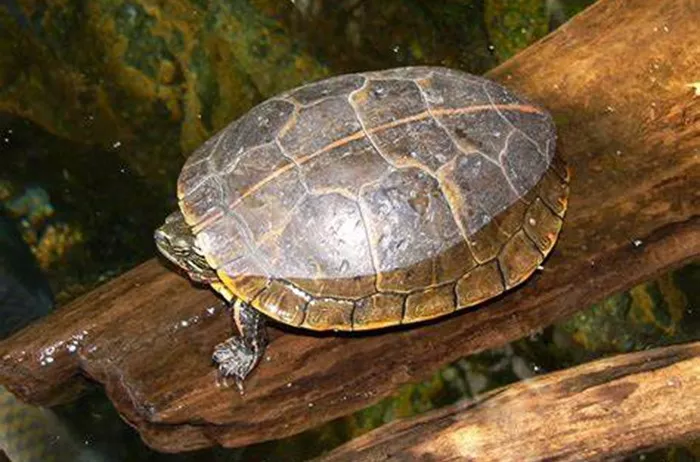
Painted turtles are one of the most popular species of freshwater turtles kept as pets. Known for their vibrant coloration and relatively easy care requirements, these turtles make great companions for turtle enthusiasts. However, one of the most crucial factors in ensuring the health and well-being of a painted turtle is providing the right tank size. This article delves into the specifics of the ideal tank size for a painted turtle, the reasoning behind these size requirements, and how to create a suitable habitat for them.
Proper tank size is vital not just for the comfort of the turtle, but for its health and longevity. A tank that is too small can lead to stress, poor water quality, and insufficient room for natural behaviors. A larger tank allows for more freedom of movement, helps maintain better water conditions, and supports a more stable environment.
Why Is Tank Size Important?
Tank size is important for several reasons:
Room for Swimming: Painted turtles are highly active swimmers and need ample space to move freely.
Water Quality: Larger tanks are easier to maintain in terms of water cleanliness, as they provide a larger volume of water for filtration.
Behavioral Health: Like any animal, turtles require space to exhibit natural behaviors. A cramped environment can lead to stress and even health issues.
Growth Considerations: As painted turtles grow, they need more space. Starting with a small tank and upgrading as the turtle grows is essential to avoid future discomfort.
The Ideal Tank Size for an Adult Painted Turtle
An adult painted turtle typically requires a tank that is large enough to accommodate its size and activity level. The general guideline for tank size is 10 gallons of water per inch of turtle. This means that if your painted turtle is 4 inches long, it would need at least a 40-gallon tank. However, this is just the minimum requirement. A larger tank is always better.
Minimum Tank Size
For a juvenile painted turtle, which typically measures 2 to 4 inches long, a 20-gallon tank is the minimum size to start with. This gives the turtle enough space to swim and explore. However, as the turtle grows, the tank will need to be upgraded.
Adult Tank Size
Adult painted turtles can grow anywhere from 6 to 10 inches in length. For an adult turtle, a 75 to 100-gallon tank is ideal. This allows the turtle to move freely, swim, and bask in a more naturalistic environment. Larger tanks also provide better filtration options, making it easier to maintain clean water, which is essential for the turtle’s health.
Space Considerations
It’s also essential to consider the land area in the tank for basking. Painted turtles need a dry area where they can climb out of the water and bask under heat lamps to regulate their body temperature. This land area should make up about 25% to 30% of the tank.
Tank Size for Multiple Painted Turtles
If you’re keeping more than one painted turtle in a tank, the size requirements increase significantly. Each turtle needs its own space to reduce territorial aggression. A good rule of thumb is to add 10 gallons of water per additional turtle. For example, if you’re keeping two adult turtles, a 125-gallon tank would be the minimum size.
How to Determine the Right Tank Size
While the general rule of 10 gallons per inch of turtle is a good starting point, there are other factors to consider when determining the right tank size for your painted turtle:
Activity Level: If your turtle is particularly active, a larger tank will provide more opportunities for exercise and exploration.
Water Filtration: Larger tanks can support more robust filtration systems, which are necessary for maintaining water quality in a turtle tank.
Tank Shape: The shape of the tank is also important. A long, rectangular tank is typically better than a tall, narrow tank, as it allows for more swimming space horizontally.
Additional Habitat Features
In addition to the correct tank size, it’s important to consider the other aspects of the habitat to ensure that your painted turtle thrives.
Water Depth
The water depth should be deep enough for the turtle to swim freely. The water should be at least twice the length of the turtle, allowing it to dive and swim comfortably. Painted turtles are not great climbers, so they need to be able to get out of the water to bask on a platform or dock.
Basking Area
As mentioned, painted turtles need a dry area where they can bask under a heat source. The basking area should be large enough for the turtle to stretch out and dry off completely. It should be accessible from the water, and the area should be exposed to the right temperature—usually between 85°F and 95°F (29°C to 35°C).
Filtration System
A strong filtration system is essential for maintaining water quality. Painted turtles are messy creatures, and their waste can quickly degrade water quality. A filter designed for a tank larger than the actual size is ideal for keeping the water clean and clear.
Lighting and Heating
Lighting and heating are essential to mimic the turtle’s natural environment. A UVB light is necessary to help the turtle produce vitamin D3, which is vital for its shell and bone health. A heat lamp should be used over the basking area to maintain the appropriate temperature.
Factors to Keep in Mind When Choosing a Tank
While tank size is critical, there are other factors to consider when selecting a tank for your painted turtle.
Material: Tanks are typically made from glass or acrylic. Both materials are fine, but acrylic tanks tend to be lighter and less prone to breaking.
Accessibility: Consider a tank that is easy to clean and maintain. A large tank may be challenging to reach into, so it’s important to choose one with a suitable design for cleaning and interacting with your turtle.
Cost: Larger tanks are more expensive. While investing in a larger tank upfront may seem costly, it’s essential for the long-term health of your turtle.
The Impact of an Improper Tank Size
Keeping your painted turtle in a tank that is too small can lead to numerous problems:
Stress: A cramped tank can cause your turtle stress, which affects its immune system and overall health.
Poor Water Quality: In a small tank, it’s much harder to maintain clean water, which can lead to bacterial infections and other health issues.
Limited Movement: A small tank restricts the turtle’s ability to swim and explore, which can lead to physical and behavioral issues.
Conclusion
When it comes to tank size, bigger is almost always better for a painted turtle. While you can start with a smaller tank for a juvenile, it’s important to upgrade the tank size as the turtle grows to ensure it has enough space to swim, bask, and thrive. A larger tank will also be easier to maintain, help maintain water quality, and reduce stress on the turtle. By providing the right tank size, you’ll be setting your painted turtle up for a long, healthy life.
Related topics: