
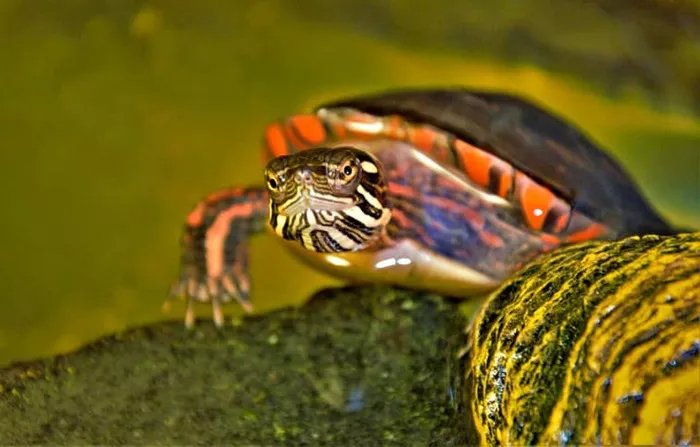
Painted turtles are fascinating creatures. Known for their vibrant colors and calm demeanor, they make popular pets for turtle enthusiasts. However, like any animal, painted turtles can sometimes experience issues that affect their health. One common issue that many turtle owners face is when their pet refuses to eat. If your painted turtle is not eating, it can be worrisome, as it can indicate a health problem, stress, or improper care. Understanding the reasons behind this behavior is crucial in ensuring your turtle’s well-being and in taking the necessary steps to address the issue.
In this article, we will explore the possible reasons why your painted turtle is not eating and provide practical solutions. We will also discuss how to assess your turtle’s health, diet, habitat, and environment to make sure that it is properly cared for.
Understanding Painted Turtle Behavior
Before delving into the potential causes of your painted turtle’s lack of appetite, it’s essential to understand their natural behavior. Painted turtles are omnivores, which means they eat both plant matter and animal-based foods. Their diet can include a variety of items, such as leafy greens, aquatic plants, small fish, and insects. They are known to be opportunistic feeders, meaning they will eat based on availability and their surroundings.
A turtle’s feeding behavior can vary depending on age, season, and environment. For instance, juvenile turtles may eat more frequently to support their growth, while adult turtles may have less frequent but larger meals. However, regardless of age, a healthy painted turtle typically eats regularly.
1. Health Issues
Health problems are one of the most common reasons for a painted turtle to stop eating. A sick turtle may exhibit several signs, including a loss of appetite, lethargy, and abnormal behavior. Common health issues that may affect a painted turtle’s appetite include:
1.1. Respiratory Infections
Respiratory infections are common in turtles, particularly in aquatic species like painted turtles. These infections can be caused by poor water quality, temperature fluctuations, or a stressed immune system. Symptoms of a respiratory infection may include wheezing, nasal discharge, swollen eyes, and a lack of appetite. If you notice these signs, it’s crucial to take your turtle to a vet who specializes in reptiles for proper treatment.
1.2. Parasites
Parasites, such as internal worms or external mites, can also cause a turtle to stop eating. Parasites can affect a turtle’s digestive system, making it uncomfortable to eat. Symptoms may include weight loss, diarrhea, bloating, and a general lack of energy. A fecal test performed by a veterinarian can help diagnose parasitic infections.
1.3. Shell Rot
Shell rot is another health concern that can make a turtle unwilling to eat. This infection, caused by bacteria or fungi, leads to damage to the turtle’s shell. The condition often arises from poor living conditions, such as wet, dirty enclosures or insufficient UVB light. A turtle with shell rot may refuse to eat due to pain or discomfort. If you notice any soft spots, discoloration, or foul odor coming from the shell, it’s important to consult a vet.
1.4. Vitamin or Mineral Deficiencies
Painted turtles, like all reptiles, require a balanced diet to thrive. If your turtle’s diet lacks essential vitamins and minerals, it may begin to exhibit symptoms such as a loss of appetite. For instance, a lack of calcium can lead to metabolic bone disease, which weakens bones and impairs movement. Similarly, inadequate vitamin A can lead to issues with the eyes and skin, affecting the turtle’s overall health. Ensure that your turtle’s diet includes the necessary nutrients, and consider supplementing their food if required.
2. Environmental Factors
The environment in which your painted turtle lives plays a significant role in its eating habits. If the environment is not ideal, it can cause stress or discomfort, leading to a loss of appetite.
Water Temperature and Quality
Turtles are ectothermic, meaning their body temperature is regulated by the surrounding environment. A painted turtle’s water temperature should range between 75°F to 85°F (24°C to 29°C). Water that is too cold or too warm can stress the turtle and make it unwilling to eat. Furthermore, poor water quality can lead to bacterial infections, algae growth, and overall discomfort, which may cause a loss of appetite. Regularly check the water quality, ensure proper filtration, and change the water frequently to maintain a clean and healthy environment.
Lack of UVB Light
UVB light is essential for painted turtles to synthesize vitamin D3, which helps in calcium absorption and overall health. A lack of UVB lighting can lead to deficiencies, which can affect the turtle’s digestive system and cause it to stop eating. Make sure your turtle has access to UVB lighting for about 10-12 hours a day, and replace the bulb every six months, as UVB strength decreases over time.
Inadequate Habitat Size
An overcrowded or poorly designed habitat can cause stress for your turtle. If the enclosure is too small, lacks hiding spots, or is too cluttered, the turtle may feel unsafe or stressed, leading to a lack of appetite. Painted turtles need both a water area for swimming and a dry basking area where they can warm up under the UVB light. Ensure that your turtle’s habitat is spacious and well-maintained to prevent stress.
3. Dietary Factors
Diet is another crucial factor in why your painted turtle may not be eating. Sometimes, turtles refuse food because they are not being offered the right types of food, or the food may not be fresh enough.
Unvaried Diet
If your turtle is fed the same food every day, it may lose interest. Turtles, like many animals, enjoy variety. A diet consisting solely of one type of food can become monotonous, causing your painted turtle to refuse it. Ensure that you provide a varied diet that includes leafy greens, vegetables, and protein sources like fish or insects. Try offering different types of food to stimulate their appetite.
Inappropriate Food Choices
Not all foods are suitable for painted turtles. Some foods can cause digestive issues, leading to a lack of appetite. For example, offering too many high-fat foods can cause obesity, which may reduce the turtle’s desire to eat. Likewise, some foods may be too large or difficult for your turtle to consume, leading to frustration or avoidance. Always ensure that the food is appropriately sized and nutritionally balanced.
Spoiled or Improperly Stored Food
Just like humans, turtles can be picky about food that has gone bad. If the food you are offering is spoiled or improperly stored, your turtle may refuse to eat. Always provide fresh, clean food and store any leftovers properly to prevent bacterial contamination. It’s also important to clean the feeding area regularly to remove any uneaten food that could spoil.
4. Behavioral and Seasonal Factors
Sometimes, the reason for a lack of appetite is simply behavioral or seasonal. Painted turtles, like many reptiles, may naturally eat less during certain times of the year, such as during the winter months when they are less active. This is especially true if your turtle is not kept in a heated, controlled environment.
Hibernation or Brumation
Many turtles undergo a period of reduced activity during the colder months, known as brumation. During this time, turtles’ metabolic rates slow down, and they may eat much less. If your turtle is displaying less activity and is eating less during colder months, it could be preparing for brumation. While this behavior is normal, it’s important to ensure that your turtle is still hydrated and that it has access to a suitable hibernation area.
Stress from Changes in the Environment
Turtles are sensitive to environmental changes, and any alterations in their habitat can cause stress. Moving the turtle to a new enclosure, changing the water, or even new people or animals in the home can all contribute to stress. Stress can cause a turtle to stop eating, so try to maintain a stable and quiet environment for your pet.
Conclusion
There are many potential reasons why your painted turtle is not eating, ranging from health issues and environmental factors to dietary concerns and natural behavioral changes. It’s important to carefully observe your turtle’s behavior and assess its habitat, diet, and overall health. If the issue persists for more than a few days, or if you notice any other concerning symptoms, it’s advisable to consult with a veterinarian who specializes in reptiles. With the right care and attention, your painted turtle will likely return to its normal eating habits and thrive in its environment.
Related topics: