
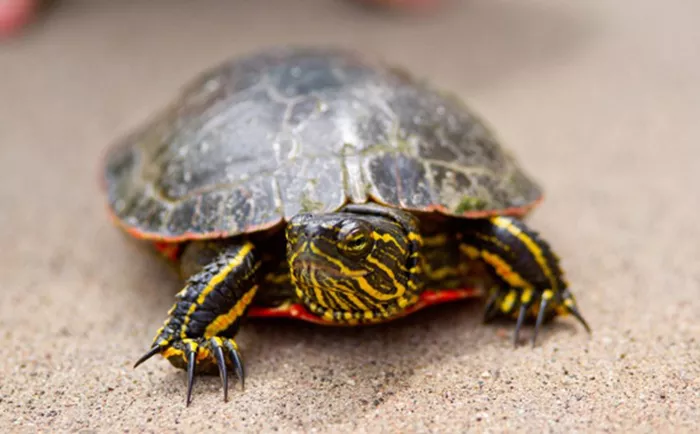
Painted turtles are one of the most beautiful freshwater turtles in North America. With their colorful markings, calm behavior, and unique habits, they are popular pets for both beginners and experienced reptile keepers. However, caring for a painted turtle takes more than a basic tank and food. These turtles have specific environmental, dietary, and behavioral needs.
In this article, we will explore every aspect of painted turtle care. You will learn how to set up the right tank, what to feed them, how to maintain hygiene, and how to keep them healthy. By the end, you’ll feel confident and well-informed as a responsible painted turtle owner.
Understanding the Painted Turtle
Painted turtles (Chrysemys picta) are semi-aquatic reptiles that spend most of their time in or near water. They are native to ponds, lakes, marshes, and slow-moving rivers across North America. They get their name from the bright red and yellow markings on their shells and skin.
There are four subspecies:
Eastern Painted Turtle
Midland Painted Turtle
Southern Painted Turtle
Western Painted Turtle
Each has slightly different markings and ranges, but they all have similar care requirements. Painted turtles can live for 20 to 30 years in captivity when cared for properly, so this is a long-term commitment.
Choosing the Right Habitat
Creating the right habitat is crucial for the health and happiness of your painted turtle. Since they are aquatic turtles, they need both water and dry areas.
Tank Size
A single adult painted turtle should have at least a 40-gallon tank, but 75 to 100 gallons is ideal. If you have more than one turtle, you’ll need a larger tank. Hatchlings can start in smaller tanks but will quickly outgrow them.
Water Depth and Quality
Painted turtles are strong swimmers. The water should be deep enough for them to fully submerge and swim freely. A minimum water depth of 10–12 inches is recommended. Clean water is essential. Use a high-quality canister filter to keep the water clear and reduce harmful bacteria.
Basking Area
Painted turtles need a dry area to rest and warm themselves. Use a turtle dock or create a platform with rocks and logs that allow the turtle to climb out of the water easily. The basking area should be completely dry and placed under a heat source.
Lighting and Temperature Needs
Turtles rely on external sources of heat to regulate their body temperature. Proper lighting mimics sunlight and helps support their metabolism and shell health.
Heat Lamp
Place a basking lamp over the dry area to keep the temperature around 85–90°F (29–32°C). The water temperature should remain around 75–80°F (24–27°C) for adults and slightly warmer for hatchlings.
UVB Lighting
UVB rays are necessary for vitamin D3 synthesis, which helps the turtle absorb calcium. Without it, they can develop metabolic bone disease. Install a UVB fluorescent bulb above the tank and replace it every 6–12 months, as its effectiveness fades over time.
Substrate and Decorations
The bottom of the tank can be bare or have a layer of smooth river rocks or large gravel. Avoid small gravel, as turtles may accidentally eat it, leading to impaction.
You can add plants, logs, and caves to enrich the environment. Live aquatic plants like anacharis or hornwort can provide hiding spaces and add oxygen to the water, though turtles may eat or uproot them.
Feeding Your Painted Turtle
Painted turtles are omnivores, which means they eat both animal and plant-based foods. Their diet should be balanced to support their growth and health.
See Also: Top Diet Plan for Painted Turtles
Protein Sources
Young turtles need more protein. Offer:
−Commercial turtle pellets (nutritionally complete)
−Earthworms or mealworms (as treats)
−Small feeder fish (occasionally)
−Cooked chicken or shrimp (rarely, and unseasoned)
Vegetables and Greens
As they grow older, painted turtles need more vegetables. Offer:
−Romaine lettuce
−Dandelion greens
−Collard greens
−Shredded carrots
−Aquatic plants like duckweed
Feeding Schedule
Hatchlings: Feed daily
Juveniles: Feed every other day
Adults: Feed 3–4 times per week
Remove any uneaten food after 30–60 minutes to prevent water contamination.
Hydration and Clean Water
Painted turtles drink and eat in the water. Keeping their tank clean is one of the most important tasks.
Filtration System
A good filter helps remove waste, uneaten food, and chemicals. Choose a filter rated for at least double the tank size. Clean or replace the filter media regularly.
Partial Water Changes
Do a 25% water change weekly and a full change once a month, depending on how many turtles you have and how messy they are.
Use a water conditioner to remove chlorine and heavy metals from tap water.
Handling and Interaction
Painted turtles are not social pets like cats or dogs. They tolerate human presence but do not enjoy being held frequently.
How to Handle
If you need to handle them, always wash your hands before and after. Pick them up gently by the shell, supporting the underside. Never grab them by the tail, as it can cause injury.
Interaction Tips
You can interact with your turtle by hand-feeding or watching them explore the tank. Some turtles recognize their owners and will swim to the front when they see you.
Health and Wellness
Painted turtles can suffer from various health issues if not cared for properly. Observing thei
Common Health Issues
Shell rot: Caused by poor water quality or injuries.
Respiratory infections: Symptoms include wheezing, open-mouth breathing, and lethargy.
Vitamin A deficiency: Leads to swollen eyes and a lack of appetite.
Parasites: May cause diarrhea or weight loss.
Preventive Care
−Keep the water clean
−Provide proper UVB lighting
−Feed a balanced diet
−Keep the tank warm
If you notice signs of illness, consult a veterinarian who specializes in reptiles.
Cleaning and Maintenance
Maintaining your painted turtle’s tank is part of responsible pet ownership.
Daily Tasks
−Remove uneaten food
−Check water temperature
−Observe turtle behavior and appetite
Weekly Tasks
−Change 25% of the water
−Wipe down basking area and tank walls
−Rinse filter components (if needed)
Monthly Tasks
−Deep clean the tank
−Replace filter media
−Sanitize basking platform and decorations
Use non-toxic cleaners or a vinegar-water solution to avoid harming the turtle.
Behavior and Activity
Painted turtles are curious and active, especially during the day. You’ll see them basking, swimming, or foraging for food. They sometimes dig at the bottom of the tank or push against the glass.
They may become shy or defensive at first, but they often become more comfortable over time. Avoid sudden changes in their environment, which can cause stress.
Lifespan and Long-Term Care
Painted turtles can live 20–30 years or more in captivity. Some have been known to live past 40 with excellent care. This means owning a painted turtle is a long-term commitment.
Housing Changes
As your turtle grows, you’ll need to upgrade the tank and equipment. You may also need to adjust their diet and lighting as they age.
Vacation and Travel Tips
If you go on vacation, arrange for someone to:
−Feed the turtle on schedule
−Check water levels and temperature
−Ensure lights are on/off correctly
Avoid leaving the turtle unattended for more than a few days.
Legal and Ethical Considerations
Before getting a painted turtle, check your local and state laws. In some places, it is illegal to own native turtles without a permit.
Avoid buying wild-caught turtles, as this can harm local ecosystems. Choose a turtle from a reputable breeder or rescue. This ensures the turtle was raised in captivity and is better adapted to life as a pet.
Conclusion: A Rewarding Commitment
Caring for a painted turtle takes time, effort, and responsibility. You’ll need to monitor water quality, provide the right lighting, feed them a balanced diet, and watch for health issues. In return, you’ll enjoy the company of a colorful, graceful creature that brings a bit of nature into your home.
Whether you’re a beginner or a seasoned turtle owner, this guide will help you provide the best care possible for your painted turtle. With the right setup and attention, your turtle can thrive for decades.
Related topics: