
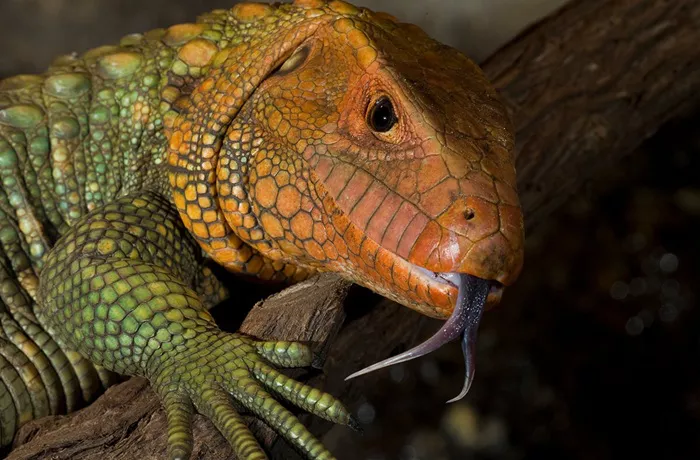
Many people are afraid of wild animals because of diseases. One of the most feared diseases is rabies. Rabies is almost always deadly once symptoms appear. People often think of animals like dogs, bats, raccoons, and foxes when they hear the word “rabies.” These are known rabies carriers. But what about lizards?
In many homes, gardens, and forests, lizards are common. They scurry across walls, hide under rocks, and sometimes even end up in your house. For people living in warm climates, this is an everyday experience. But when a lizard bites a person or comes in close contact, fear can rise. Some people immediately worry: can I get rabies from this lizard?
As a zoologist, I will explain everything you need to know about lizards and rabies. I will cover how rabies works, which animals spread it, how reptiles like lizards differ from mammals, and whether or not you should be concerned. This article is designed for everyone. Whether you are a curious pet owner, a student, or someone concerned about your safety, this guide will help.
What Is Rabies?
Rabies is a viral disease. It is caused by the rabies virus, which belongs to the Lyssavirus genus. This virus attacks the central nervous system. It travels through the nerves and eventually reaches the brain. Once it gets to the brain, it causes inflammation. Symptoms start appearing only after this happens.
Rabies is usually spread through saliva. When a rabid animal bites a human or another animal, the virus enters the body. In rare cases, saliva entering an open wound or mucous membrane can also spread the disease.
Once symptoms appear, rabies is almost always fatal. These symptoms include:
−Fever and headache
−Confusion or anxiety
−Difficulty swallowing or speaking
−Hydrophobia (fear of water)
−Hallucinations
−Paralysis
This makes rabies one of the most
Which Animals Can Carry Rabies?
Rabies affects mammals. That is a key point. Mammals are warm-blooded animals with hair or fur, and most give live birth. This group includes humans, dogs, cats, bats, foxes, raccoons, skunks, and many more.
Animals that can carry rabies are known as rabies reservoirs. These species keep the virus circulating in the wild. Some of the most common rabies reservoirs include:
−Dogs (especially in developing countries)
−Bats (a major source in the U.S.)
−Raccoons
−Foxes
−Skunks
All of these animals are mammals.
Some animals are dead-end hosts, which means they can get infected but usually don’t spread the virus to others. For example, cows or horses can be infected through a bite but rarely pass the virus further.
Importantly, non-mammals cannot carry or transmit rabies. This includes birds, fish, amphibians, and reptiles.
Are Lizards Mammals?
No, lizards are not mammals. Lizards are reptiles. Reptiles are cold-blooded animals that usually lay eggs and have dry, scaly skin. The reptile class includes lizards, snakes, turtles, and crocodiles.
Because lizards are reptiles, their biology is very different from that of mammals. Their immune systems, metabolism, and body temperature regulation are not like ours. This difference is important when we talk about diseases like rabies.
The rabies virus needs a warm-blooded host to survive and multiply. Reptiles like lizards do not maintain a constant body temperature. They rely on the environment to regulate their heat. As a result, their bodies do not provide the right conditions for the rabies virus to grow.
Can Lizards Get Rabies?
The short and scientifically supported answer is no. Lizards cannot get rabies. There has been no confirmed case in medical or veterinary literature showing that a lizard has contracted or transmitted rabies. The rabies virus simply cannot survive in the body of a reptile.
This is not just theory. Researchers have studied how rabies works in various animals. The virus’s replication process depends on warm-blooded physiology. Reptiles do not meet the requirements. Their immune systems are too different. Their internal temperatures are not stable. In this environment, the rabies virus cannot thrive.
Can Lizards Transmit Rabies to Humans?
Since lizards cannot carry rabies, they cannot transmit it. Even if a lizard bites you, the bite cannot result in rabies.
Some people fear that maybe a lizard could have eaten a rabid animal or come into contact with infected saliva. But even then, the virus would not survive in a lizard’s body. Even if there is temporary contact with infected material, the virus cannot grow or be passed on.
The rabies virus does not simply “sit” in a mouth like bacteria. It must be growing and circulating in the body. It must reach the nerves and the brain. Without that internal process, there is no threat of transmission.
Why Do People Still Worry About Lizards and Rabies?
There are a few reasons why this myth continues:
Fear of Bites: Any animal bite can be alarming, especially if it breaks the skin.
Lack of Knowledge: Many people do not know which animals carry rabies.
Cultural Beliefs: In some regions, lizards are seen as dangerous or unclean.
Internet Myths: False stories spread quickly online.
The combination of fear and misinformation keeps the myth alive. But science is clear: lizards do not and cannot carry rabies.
What to Do If a Lizard Bites You
Although rabies is not a risk, a lizard bite can still cause problems. Here’s what you should do:
Clean the wound: Use soap and water to clean the bite area thoroughly.
Disinfect: Apply an antiseptic like iodine or hydrogen peroxide.
Watch for infection: Redness, swelling, or pus can be signs of bacterial infection.
Seek medical help: If the bite is deep, or you are unsure of the lizard’s type, consult a doctor.
In rare cases, some lizards may carry bacteria like Salmonella. This can be passed to humans, especially through contact with feces or handling pet reptiles without washing hands.
But again, this is not rabies.
Do Pet Lizards Pose Any Rabies Risk?
No. Even pet lizards, such as geckos, iguanas, or bearded dragons, pose zero risk of rabies. You do not need to vaccinate reptiles against rabies. Veterinarians do not recommend rabies shots for reptiles because it is unnecessary.
However, pet lizards do require good hygiene. Wash your hands after handling them. Keep their habitat clean. This helps prevent bacterial infections, but rabies is not a concern.
Can Other Reptiles Get Rabies?
No reptiles can carry or transmit rabies. This includes:
−Snakes
−Turtles
−Crocodiles
−Alligators
All of them, like lizards, are cold-blooded. Their biology does not support the survival of the rabies virus.
Even large reptiles, such as Komodo dragons or alligators, cannot harbor this virus. Even if they bite a rabid animal, they themselves do not become infected or spread it further.
What Diseases Can Lizards Carry?
Although lizards cannot transmit rabies, they are not entirely risk-free. Some other concerns include:
Salmonella
This is the most common risk. Many reptiles naturally carry Salmonella bacteria in their intestines. Humans can become infected through direct or indirect contact.
Other Bacteria and Parasites
Lizards can carry mites, protozoa, or bacteria that are harmless to them but problematic for humans. Proper care and hygiene reduce these risks.
Allergic Reactions
Some people may develop allergic responses after touching reptiles or their bedding.
But all these risks are manageable with proper care. Again, none of these involve rabies.
Should You Report a Lizard Bite?
In general, lizard bites are not required to be reported to public health authorities unless there are unusual symptoms or the lizard is a protected species. Unlike dog or bat bites, which raise rabies concerns, lizard bites do not require rabies-related follow-ups.
You should, however, report the bite to your doctor if:
−The wound becomes infected.
−You don’t know the species.
−You are immunocompromised.
−You are worried about tetanus or other bacterial infections.
But you do not need a rabies shot after a lizard bite.
Rabies Prevention: Focus on the Right Animals
It’s important to stay focused on real rabies risks. This means paying attention to animals that can carry and spread rabies. These include:
−Stray dogs and cats in high-risk countries
−Bats (even tiny ones)
−Wild mammals like foxes and raccoons
Always avoid contact with unfamiliar mammals. Vaccinate pets. Be cautious when exploring wild areas. But there is no reason to include lizards on your rabies watch list.
Conclusion: Lizards and Rabies Do Not Mix
In conclusion, lizards cannot carry or transmit rabies. This is a scientific fact backed by decades of veterinary and zoological research. Reptiles like lizards are cold-blooded, and the rabies virus needs warm-blooded hosts to survive and grow. As a result, lizards are not capable of hosting or spreading this virus.
If you are bitten by a lizard, rabies is not something you need to worry about. You should still clean the wound and monitor for infection. But the myth of lizards spreading rabies is not supported by biology or real-world evidence.
By understanding the science behind disease transmission, we can replace fear with knowledge. As a zoologist, I encourage you to share this information. It helps protect both humans and wildlife when we base our actions on facts—not fear.
Related topics: