
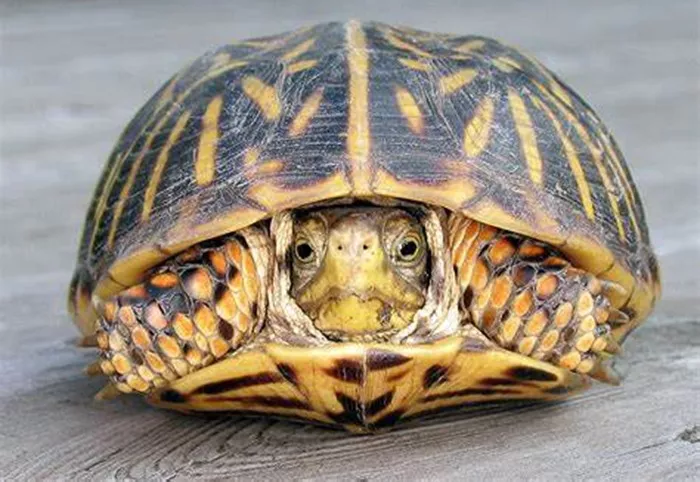
Eastern box turtles are among the most iconic terrestrial turtles in North America. Known for their domed shells and strong homing instinct, these turtles are often found in moist forested regions. If you’re a pet owner, nature enthusiast, or aspiring herpetologist, one question often arises: how big does an eastern box turtle get? To answer that question properly, we need to explore not just average size, but also growth stages, environmental influences, and sexual dimorphism.
As a zoologist, I’ll walk you through these elements using evidence-based research, practical examples, and clear explanations. This article will help you understand the biology behind the growth of eastern box turtles (Terrapene carolina carolina) and why some grow larger than others.
Understanding the Species
The eastern box turtle (Terrapene carolina carolina) is a subspecies of the common box turtle. It is native to the eastern United States, ranging from Maine to Florida and as far west as Michigan and eastern Kansas. The name “box turtle” comes from its ability to completely close its shell using a hinged plastron, creating a protective “box.”
This species is known for its long lifespan, terrestrial habitat preference, and strong connection to its home range. Eastern box turtles are slow-moving but highly adaptive, and they exhibit a range of sizes depending on several key factors.
Average Size of Eastern Box Turtles
Shell Length (Carapace Length)
The average adult eastern box turtle has a carapace length of 4.5 to 6 inches (11.5 to 15.2 cm). However, some individuals have been recorded at over 7 inches (17.8 cm), though these are rare and usually exceptionally old turtles.
Carapace length is measured from the front edge to the rear edge of the upper shell. This is the most consistent and widely accepted method of measuring a turtle’s size.
Shell Height and Width
While length is the primary measurement, shell height is also important. The domed shell of an adult eastern box turtle typically reaches 2.5 to 4 inches in height. Width can vary based on individual shape, but a rough range is 3 to 4.5 inches across.
These proportions contribute to the turtle’s unique appearance, with a taller, rounded shell compared to aquatic species like painted turtles.
Growth Stages of the Eastern Box Turtle
Turtle growth is a slow and gradual process that can span decades. Understanding these stages helps predict size and care needs over time.
1. Hatchling Stage
When box turtles hatch, they typically measure 1 to 1.5 inches (2.5 to 3.8 cm) in length. Their shells are soft, rounded, and dull in color. Hatchlings spend more time hidden under leaves or soil and are vulnerable to predators.
2. Juvenile Stage
During the first 5–10 years, turtles are considered juveniles. Growth is more rapid in the early years but slows down with age. During this stage, a juvenile may reach 3 to 4 inches in length.
Factors such as diet, environment, and genetic makeup affect how quickly a juvenile box turtle grows. In the wild, food availability and seasonal changes limit rapid growth, while captive turtles with consistent diets often grow faster.
3. Adult Stage
After 10 years, most eastern box turtles enter adulthood. Growth continues but at a slower pace. Full adult size is usually reached by 15 to 20 years of age. At this point, most turtles range from 4.5 to 6 inches, though some may grow slightly larger.
Growth doesn’t entirely stop, but it becomes almost imperceptible after maturity. You can think of this stage as a plateau in size.
Sexual Dimorphism and Size Differences
Eastern box turtles exhibit sexual dimorphism, which means that males and females differ in size and appearance. This includes variations in size, color, and tail length.
Size Differences
In general, females are slightly larger than males, though not dramatically so. This size advantage is thought to be an adaptation for egg-laying, giving females more abdominal space.
−Female carapace length: 5 to 6 inches
−Male carapace length: 4.5 to 5.5 inches
However, these are average ranges, and individual variation is common.
Other Physical Differences
Males tend to have:
−A concave plastron (to aid in mating)
−Longer and thicker tails
−Bright red or orange eyes
Females usually have:
−Flat plastrons
−Shorter tails
−Brown or yellow eyes
These distinctions, along with size differences, can help identify the sex of a turtle even if size alone is not a definitive indicator.
Environmental Factors That Influence Size
Turtle size is not determined by genetics alone. Environment plays a major role in how large an eastern box turtle can grow.
1. Habitat and Climate
Turtles living in moist, nutrient-rich environments tend to grow larger and faster than those in dry, sparse habitats. Areas with consistent rainfall and dense vegetation provide ample food and better protection.
2. Diet and Nutrition
A turtle’s diet is one of the most influential factors in its growth. Eastern box turtles are omnivorous, eating insects, worms, berries, fungi, and leafy plants.
Turtles with access to a high-protein diet during early life stages grow faster and achieve greater adult size. Malnourished turtles often remain small and may experience shell deformities.
In captivity, providing a balanced diet rich in calcium, vitamins, and proteins can lead to larger, healthier individuals.
3. Activity and Health
Turtles that suffer from parasitic infections, shell rot, or metabolic bone disease often have stunted growth. Similarly, turtles that are frequently stressed or kept in poor enclosures may not grow to their full potential.
Consistent exercise, exposure to natural sunlight or UVB lighting, and low-stress environments all promote healthy growth.
Do Box Turtles Grow Forever?
A common myth suggests that turtles grow throughout their lives. While technically true, the rate of growth becomes so slow after maturity that it’s barely noticeable.
This phenomenon is known as indeterminate growth, a trait shared by many reptiles. Even after reaching their typical adult size, turtles may gain fractions of an inch over many years, especially if conditions are ideal.
However, don’t expect an adult eastern box turtle to ever double its size. Once it reaches about 6 inches, it’s unlikely to get significantly bigger.
Outliers and Exceptional Sizes
Though rare, some eastern box turtles grow larger than 7 inches. These cases are typically:
−Very old turtles (50+ years)
−Individuals with exceptional genetics
−Turtles raised in optimal captive environments
Some have been documented at nearly 8 inches long, but these are exceptions, not the norm. These individuals are often misidentified or measured improperly.
When determining size records, measuring shell length accurately is crucial. Curved shells can give misleading measurements if not taken along a straight axis.
Captive vs. Wild Turtle Size
Many pet owners notice that captive turtles often grow slightly larger than their wild counterparts. This is largely due to:
−Consistent food supply
−Access to veterinary care
−Stable temperature and humidity
−Protection from predators
In the wild, turtles may face seasonal food shortages, droughts, and injury, all of which limit growth.
However, improper care in captivity (such as poor diet or inadequate lighting) can stunt growth just as much as wild hardships.
How to Promote Healthy Growth in Captive Turtles
For turtle keepers or rehabbers, understanding how to encourage healthy growth is vital. Here are some foundational tips:
Provide a Varied Diet
A healthy mix of protein, fruits, vegetables, and calcium-rich supplements is crucial. Good protein sources include:
Earthworms
Crickets
Mealworms
Snails
Fruits and vegetables like strawberries, dandelion greens, and squash can balance the diet.
Ensure Proper Lighting
UVB lighting helps turtles synthesize vitamin D3, essential for calcium absorption. Without it, turtles may suffer from metabolic bone disease, stunting their growth and deforming their shells.
Maintain Optimal Enclosure Conditions
Humidity should be kept between 60–80%, and temperatures should range from 75–85°F during the day, with a basking area around 90°F. Night temperatures can drop slightly.
Avoid Overfeeding
While good nutrition supports growth, overfeeding can lead to obesity and shell deformities. Balance is key.
Signs Your Box Turtle Is Growing Well
A healthy, growing turtle will show:
−A smooth, hard, domed shell
−Bright, clear eyes
−Consistent weight gain
−Alert, active behavior
Shell pyramiding, soft spots, lethargy, or poor appetite could signal a problem.
Regular measurement of shell length and weight, recorded monthly, helps track your turtle’s progress over the years.
Conclusion: Final Thoughts on Box Turtle Size
So, how big does an eastern box turtle get? In most cases, adult turtles reach 4.5 to 6 inches in shell length, with rare individuals exceeding 7 inches. Growth is influenced by sex, genetics, environment, and diet.
Although their size might not rival larger turtle species, eastern box turtles make up for it with longevity, character, and resilience. With proper care and an understanding of their biology, these turtles can thrive for decades—growing slowly but surely throughout their lives.
Related topics: