
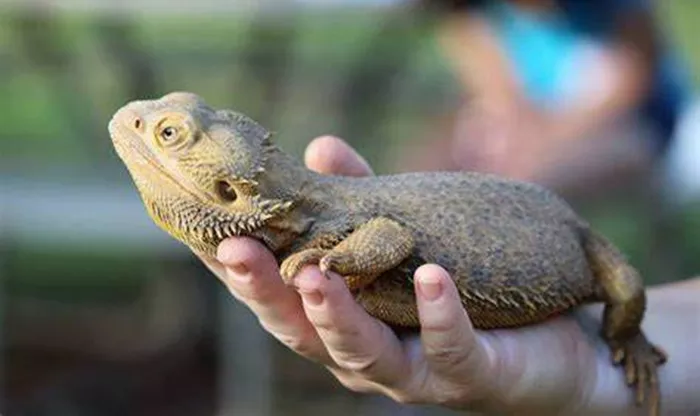
Many people are curious about the animal kingdom and often wonder about the classification of different creatures. One common question is: Is a lizard a mammal? At first glance, lizards and mammals might seem similar. Both have legs and move on land, and some lizards even have skin that looks like it could belong to a mammal. But scientifically, animals are classified into groups based on key characteristics.
Lizards belong to a group called reptiles. Mammals are a different group altogether. Understanding why a lizard is not a mammal involves looking closely at their biology, anatomy, reproduction, and evolutionary history. This article will explain these differences clearly. By the end, you will understand exactly why a lizard is not a mammal and what makes mammals unique.
What Defines a Mammal?
To understand if a lizard is a mammal, we first need to know what a mammal is. Mammals are a class of animals scientifically known as Mammalia. This group has several special features:
−Mammals have hair or fur on their bodies.
−Female mammals produce milk to feed their young through mammary glands.
−Mammals are warm-blooded, which means they keep a constant body temperature regardless of the environment.
−Mammals have a unique middle ear with three bones that help with hearing.
−They usually give birth to live young (except for a few mammals like the platypus that lay eggs).
−Mammals have a four-chambered heart, which supports their active lifestyle.
All these traits help scientists classify an animal as a mammal.
What Defines a Lizard?
Lizards are reptiles, belonging to the order Squamata. Reptiles are a class called Reptilia. Lizards share characteristics common to reptiles:
−They have dry, scaly skin, not fur or hair.
−Lizards are cold-blooded (ectothermic), meaning their body temperature changes with the environment.
−They lay eggs, although some species give birth to live young.
−Lizards have a three-chambered heart, which is different from mammals.
−Their teeth are generally uniform in shape, unlike the varied teeth mammals have.
These traits clearly separate lizards from mammals.
Differences in Skin and Body Covering
One of the easiest ways to tell mammals and lizards apart is by their skin. Mammals have hair or fur, which helps with insulation and sensing the environment. Even whales and dolphins, which live in water, are mammals and have hair during some stages of life.
Lizards, on the other hand, have tough, dry skin covered with scales. These scales help protect them and reduce water loss, important for living in dry or hot environments. The scales also give reptiles their distinctive look.
Temperature Regulation: Warm-Blooded vs. Cold-Blooded
Mammals are warm-blooded. This means their bodies produce heat internally to maintain a steady temperature. This trait allows mammals to live in many environments, from icy cold to hot deserts, without depending on the sun to warm their bodies.
Lizards are cold-blooded. They depend on external heat sources to regulate their body temperature. For example, you might see a lizard basking in the sun to warm up or hiding in the shade to cool down. This difference is important because it affects their activity levels and behavior.
Reproduction and Development
Mammals and lizards also differ in reproduction. Most mammals give birth to live young. Female mammals have mammary glands to produce milk, feeding their babies after birth.
Lizards mostly lay eggs. Some species do give birth to live young, but these young are not fed with milk. Instead, baby lizards are often independent right after birth.
Skeletal and Anatomical Differences
Mammals have certain skeletal features that reptiles do not. For example, the structure of the middle ear bones in mammals (three tiny bones) helps with better hearing. Lizards have only one bone in the middle ear.
Mammals generally have more complex teeth that help with chewing food, including incisors, canines, premolars, and molars. Lizards tend to have simpler, more uniform teeth because their diet and digestion are different.
Evolutionary Background
Mammals and reptiles have a long evolutionary history, but they evolved from different ancestors. Mammals evolved from a group of animals called synapsids millions of years ago. Lizards evolved from a different group called diapsids. These two lineages split hundreds of millions of years ago, leading to very different animal groups.
Common Misconceptions
Many people mistake lizards for mammals because of superficial traits. For example, some large lizards, like monitors or iguanas, are active during the day, have strong legs, and move quickly, which may resemble mammals.
However, no matter how much they look or act like mammals, lizards are reptiles based on their biology and evolutionary history.
Conclusion
In summary, a lizard is not a mammal. Although both animals share some characteristics, the key biological differences in skin, temperature regulation, reproduction, anatomy, and evolutionary history show that lizards belong to reptiles, not mammals.
Understanding these differences helps us appreciate the diversity of life on Earth and the amazing adaptations animals have to survive in many environments.
Related topics: