
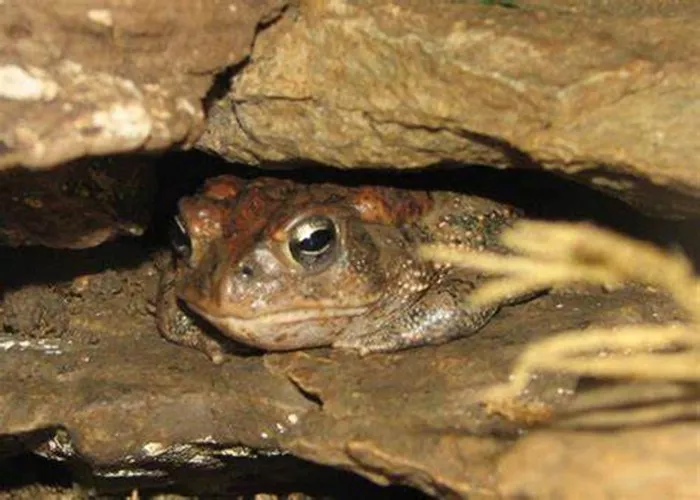
The American toad (Anaxyrus americanus) is a common species of toad found throughout much of North America. Known for its distinctive, warty appearance and loud mating call, this amphibian has become a well-known figure in many ecosystems. The American toad thrives in a variety of habitats, ranging from forests to wetlands, and has a remarkable ability to adapt to changing environments. However, understanding where these toads live requires a closer examination of the ecological factors that influence their habitat preferences, their lifestyle, and their overall survival.
American toads are found in both urban and rural areas, though they have specific habitat needs that must be met in order for them to thrive. Their presence in a given location often provides important clues about the health of local ecosystems. This article delves into the types of habitats American toads prefer, the environmental conditions they require, and how these toads contribute to biodiversity and ecological balance.
The Habitat Preferences of American Toads
American toads are highly adaptable creatures, but they still require certain conditions to survive. These toads are typically found in temperate regions of North America, particularly in the eastern parts of the United States and parts of Canada. While they are not particularly picky about their surroundings, they do have preferences for certain types of habitats that provide essential resources like food, moisture, and shelter.
Wetlands and Ponds
One of the most important habitats for American toads is wetlands. Wetlands provide the toads with a perfect environment for breeding. During the spring and early summer months, male American toads call out with their distinctive mating calls near ponds, marshes, and shallow wetlands. These areas offer calm waters for the tadpoles to grow and develop. The shallow waters are rich in invertebrates, providing an ample food supply for both adult toads and their offspring.
American toads also breed in temporary and permanent ponds. The ponds must be free from fish, as fish prey on toad tadpoles, which would significantly reduce their chances of survival. Many American toads are known to travel long distances to find the right breeding ponds, which is why these toads are often observed near ponds during mating seasons.
Woodlands and Forested Areas
Although American toads are strongly associated with wetlands, they also inhabit wooded and forested areas. Toads seek out these areas for shelter and to avoid predators. Woodlands offer ample cover in the form of leaf litter, fallen branches, and undergrowth, which provides perfect hiding spots. These environments also help to maintain the cool, moist conditions that American toads prefer, especially during the hotter months.
During the colder months, American toads often burrow into the soil or hide under rocks and fallen logs in forested areas. These sheltering spots protect them from freezing temperatures. In the wild, forested environments often have a mix of open areas and dense underbrush, which provide both daytime shelter and night-time hunting grounds.
Urban and Suburban Environments
Surprisingly, American toads are also found in urban and suburban environments. Although these areas are often more disturbed and less natural, they can still provide suitable habitats for the toads if there are pockets of moisture and shelter. Gardens, parks, and even golf courses can host small populations of American toads, especially if they contain water sources like small ponds, birdbaths, or irrigation ditches.
In urban areas, toads are more likely to be found near human-built water features. These can act as breeding grounds, though they are often subject to contamination or pollution. Nonetheless, American toads are remarkably resilient and can thrive in modified environments if the conditions are right.
Key Environmental Factors for American Toad Habitats
To understand where American toads live, we must explore the environmental factors that are critical to their survival. While American toads are adaptable, certain conditions must be met for them to thrive in a given area. These factors include temperature, moisture, food availability, and the presence of predators and prey.
Moisture and Temperature
Moisture is one of the most important factors in determining where American toads live. These amphibians have porous skin that can dry out easily, so they prefer habitats that offer consistent moisture. Wetlands, marshes, and forest floors with high humidity are ideal environments for these toads. During dry spells, American toads may burrow into the ground to find cooler, more moist conditions.
Temperature also plays a crucial role in the distribution of American toads. These toads are cold-blooded, meaning their body temperature is regulated by the environment. In the summer months, they seek cool, shaded areas to escape the heat of the sun. In winter, American toads undergo a period of dormancy, often hibernating in the mud or soil beneath the frost line. These seasonal patterns are essential to their survival and influence their choice of habitats throughout the year.
Food Sources
Food availability is another critical factor for American toads. These toads are primarily insectivores, feeding on a wide variety of invertebrates such as insects, worms, snails, and spiders. They are particularly adept at catching insects, using their sticky tongues to catch prey in a split second.
Pond environments provide a rich supply of aquatic invertebrates, while forested and wooded areas offer a variety of terrestrial insects. In urban areas, toads will often take advantage of the insects attracted to lights or those found in gardens and lawns. The abundance of food is a determining factor in where American toads will choose to establish themselves.
Protection from Predators
American toads, despite their warty skin, are not immune to predation. Birds, snakes, raccoons, and even larger amphibians may prey on them. This is why toads seek habitats that offer ample cover, such as dense vegetation, fallen leaves, or debris like logs and rocks. These environments help to protect them from predators.
Additionally, toads have evolved some interesting defense mechanisms to protect themselves. They produce a toxin from their skin that can deter predators, though this toxin is typically not harmful to humans. However, this toxin does make American toads less palatable to many predators, allowing them to live in areas where other amphibians might be more vulnerable.
The Seasonal Movements of American Toads
The habitat preferences of American toads are not fixed year-round. These toads exhibit seasonal movements, migrating between different types of habitats depending on the time of year. Their habitat use changes in response to temperature fluctuations, moisture levels, and breeding needs.
Spring and Summer Habitats
During the spring and summer months, American toads are most active. They emerge from hibernation or their underground retreats and move to ponds or marshes to breed. The warmer temperatures and increased rainfall during these months provide the necessary conditions for breeding and feeding. Male toads will congregate near ponds, calling to attract females. Once mating occurs, females lay eggs in shallow water, and the tadpoles hatch within a few days.
After the breeding season, adult American toads will return to terrestrial habitats. They seek out moist, shaded areas in forests, fields, or gardens where they can find shelter and food. Summer is the time when toads are most likely to be found foraging for insects, and they will typically stay in these areas as long as conditions remain favorable.
Autumn and Winter Habitats
As temperatures begin to drop in the autumn, American toads prepare for the winter months. Toads enter a state of dormancy known as brumation. They will often burrow into the soil, under rocks, or into leaf piles where they remain inactive until spring. Brumation helps them survive the cold, freezing temperatures of winter.
In more temperate regions, American toads may emerge from their winter hideouts on warmer days, though they remain mostly inactive. This winter retreat is an essential part of their life cycle, as it ensures that they can survive the colder months when food is scarce, and the environmental conditions are not conducive to their active lifestyle.
Conclusion: The Importance of Habitat Preservation
Understanding where American toads live is essential to their conservation. These toads are an important part of the ecosystem, helping to control insect populations and serving as prey for a variety of predators. Their presence in a given habitat is often an indicator of the health of the environment. Unfortunately, habitat loss due to urbanization, pollution, and climate change has put pressure on toad populations in certain regions.
Conservation efforts that focus on preserving wetland habitats, protecting forests, and maintaining healthy ecosystems are crucial for the survival of the American toad. By protecting the environments where these toads live, we help to ensure that they can continue to thrive in the diverse habitats that make North America so ecologically rich.
Related topics: