
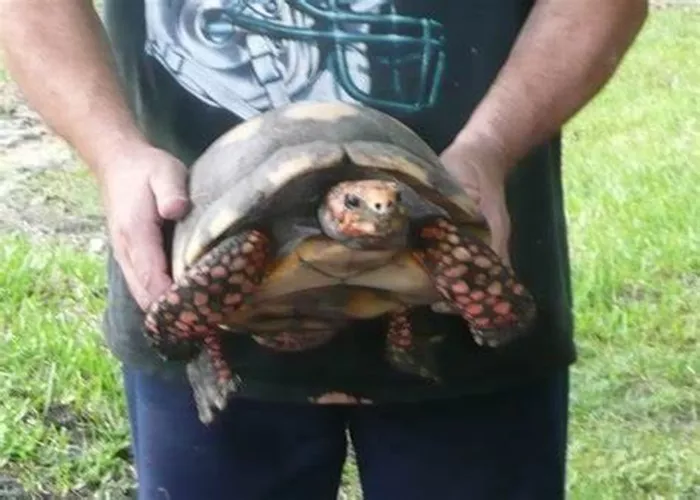
Red-footed tortoises are among the most popular pet tortoise species in the world. Their friendly appearance, manageable size, and relatively social nature make them attractive to both novice and experienced reptile keepers. However, many people wonder if a red-footed tortoise can be trained. Unlike dogs or parrots, reptiles are often seen as less intelligent and less responsive to human interaction. But recent studies in reptile cognition and keeper experiences suggest a more complex picture.
Training animals is not simply about obedience. It is a way to stimulate their brains, improve their health, and create a stronger bond between the animal and the keeper. For a red-footed tortoise, training can also mean easier handling, better care routines, and reduced stress during medical exams or enclosure cleaning. This article explores the question in depth—can you train a red-footed tortoise? We will examine their behavior, learning capacity, training techniques, and the practical outcomes of these efforts.
Let us begin by understanding the species and their mental capabilities, then move into how training works and what you can realistically expect.
Understanding the Red-Footed Tortoise
Red-footed tortoises (Chelonoidis carbonarius) are native to South America. They are most commonly found in the savannas and forests of countries like Brazil, Venezuela, Guyana, and Colombia. As their name suggests, they are known for the red or orange scales on their limbs and head, which contrast against a darker shell.
They are medium-sized tortoises, usually growing between 11 to 16 inches in length and weighing up to 20 pounds. In captivity, they can live for more than 50 years with proper care.
Natural behavior and social habits
Unlike many other tortoises, red-footed tortoises display more social behaviors. In the wild, they sometimes gather around feeding areas and water sources. They may also engage in visual communication during mating rituals. Although they are not pack animals, this behavior shows a degree of tolerance and interaction that sets them apart from more solitary reptiles.
Red-footed tortoises are curious and observant. They will often watch their surroundings carefully and may approach humans or new objects in their enclosure. This curiosity plays a significant role in their trainability.
Cognitive Abilities of Red-Footed Tortoises
The belief that reptiles are unintelligent has persisted for decades. However, scientific research is challenging that view. Many studies now show that reptiles, including tortoises, are capable of learning through association, memory recall, and even simple problem-solving.
In one study, red-footed tortoises were tested for spatial memory. They were able to remember the location of food sources after multiple trials, even when there were obstacles in the way. Other studies showed that tortoises could learn to navigate mazes or recognize visual patterns when rewards were involved.
Associative learning
This is the foundation of most animal training. It means that the animal connects a specific behavior with a particular outcome, usually a reward. Red-footed tortoises are capable of associative learning. If you reward them consistently for performing an action, they are more likely to repeat it.
Memory and routine
Red-footed tortoises have a strong memory for patterns and routines. They can learn the schedule of their feeding times and the sounds associated with their caregiver’s approach. This capacity to remember allows for the introduction of simple training tasks, such as coming when called or moving to a designated area.
Why Train a Red-Footed Tortoise?
There are several practical reasons to train a red-footed tortoise, beyond just the novelty of having a responsive reptile. Training can lead to better health, reduced stress, and a safer environment for both the tortoise and the handler.
Health monitoring
Trained tortoises are easier to inspect for signs of illness. If your tortoise is comfortable being handled or knows how to move onto a scale, you can check its weight regularly without causing distress. This can be crucial in spotting early signs of illness or dietary issues.
Feeding control
Some red-footed tortoises are prone to obesity, especially when fed rich diets in captivity. By training them to work for food—such as moving to a specific spot or tapping a target—you can control portions and encourage natural foraging behaviors.
Reduced stress during handling
Veterinary visits and enclosure cleaning can be stressful for tortoises. If they are trained to tolerate being picked up or guided into a travel container, these experiences become less traumatic.
Environmental enrichment
Training provides mental stimulation. A bored tortoise can become lethargic or even aggressive. By engaging their brain through training sessions, you offer enrichment that supports their emotional and cognitive well-being.
What Kind of Training Is Possible?
When people hear the word “training,” they might imagine complex tricks or commands. However, training a tortoise is more about establishing simple, useful behaviors. These behaviors can improve both care and communication between the tortoise and the keeper.
Target training
This is one of the most effective methods for red-footed tortoises. It involves teaching the tortoise to touch a specific object—such as a ball on a stick—with their nose. Once the tortoise touches the target, it receives a food reward. Over time, the tortoise can be guided by moving the target, teaching it to walk to a particular spot or follow a path.
Stationing
This involves training your tortoise to move to and stay in a specific location, such as a platform or mat. Stationing can be helpful during feeding time or for medical exams. By pairing a command or hand signal with a reward, the tortoise learns to associate the station with positive outcomes.
Name recognition and recall
Some tortoise keepers have successfully trained their red-footed tortoise to respond to its name. This is usually done by calling the name before feeding. Over time, the tortoise learns to associate the sound of its name with something good and may come when called.
Desensitization to touch
Red-footed tortoises may not enjoy being touched at first, especially on their heads or limbs. Training can help them get used to gentle touch. Start with rewarding them for staying calm when touched briefly, then gradually increase the duration. This can make handling much easier and safer.
How to Start Training Your Red-Footed Tortoise
Training requires patience, consistency, and a good understanding of your tortoise’s natural behaviors. Here are some steps to guide you through the training process.
Choose a reward
Food is the most effective reward. Use small pieces of favorite foods such as mango, strawberries, or hibiscus flowers. The treat should be healthy and only given during training sessions to maintain its value.
Pick a quiet time and place
Train your tortoise in a distraction-free area. The enclosure should be calm, and other pets or loud noises should be avoided. Red-footed tortoises are easily distracted, so a focused environment is key.
Begin with short sessions
Each session should last no more than 5 to 10 minutes. Reptiles learn slowly, and pushing them too long can lead to frustration or confusion. Always end on a positive note, even if the progress is small.
Be consistent
Use the same cue or command every time. Whether it’s a sound, a gesture, or a visual cue like showing a target, keep it consistent so the tortoise can make the right association.
Reward immediately
Timing is essential. The reward should come within one or two seconds after the correct behavior. Any delay can confuse the tortoise and break the association.
Common Challenges in Tortoise Training
Training red-footed tortoises is rewarding, but not without its challenges. Understanding these will help you avoid frustration and keep your efforts productive.
Slow progress
Tortoises do not learn at the same pace as mammals or birds. You may need to repeat the same step many times before your tortoise understands what is expected. Do not rush the process.
Distraction and disinterest
If your tortoise walks away or seems uninterested, it may be full, tired, or distracted. Try changing the reward or waiting until a different time of day. Some tortoises are more responsive in the morning or late afternoon.
Health issues
Lack of response can sometimes indicate health problems. If your tortoise suddenly stops responding to food or interaction, consult a reptile veterinarian to rule out illness.
Overfeeding
Using food as a reward requires caution. Avoid giving too many treats or overly sugary fruits. This can lead to weight gain or imbalanced nutrition. Use small portions and mix treats with regular food items like leafy greens.
Ethical Considerations
While training is generally beneficial, it is important to respect the natural behavior and comfort level of your tortoise. Never force a behavior through stress or discomfort. Training should always be voluntary and based on positive reinforcement.
Tortoises are sentient beings. They may not show affection or bond like mammals, but they experience stress, fear, and well-being. A training session should never cause them harm or anxiety. Always monitor their reactions and adjust your approach if needed.
Conclusion: Can You Train a Red-Footed Tortoise?
The answer is yes, you can train a red-footed tortoise. While they are not as responsive or fast-learning as mammals, they are capable of learning through consistent, positive reinforcement. Training enhances the life of the tortoise and the experience of the keeper.
From target training to recall, red-footed tortoises can learn useful behaviors that improve their care and reduce stress. Training also provides mental stimulation, helping prevent boredom and encouraging natural exploration.
It requires time, patience, and compassion. The bond you build through training may not be emotional in the same way as with a dog or cat, but it is meaningful. It reflects mutual trust and understanding.
If you’re willing to invest the effort, your red-footed tortoise can become not only a healthy and happy pet but also an active participant in its own care and environment.
Related topics: