
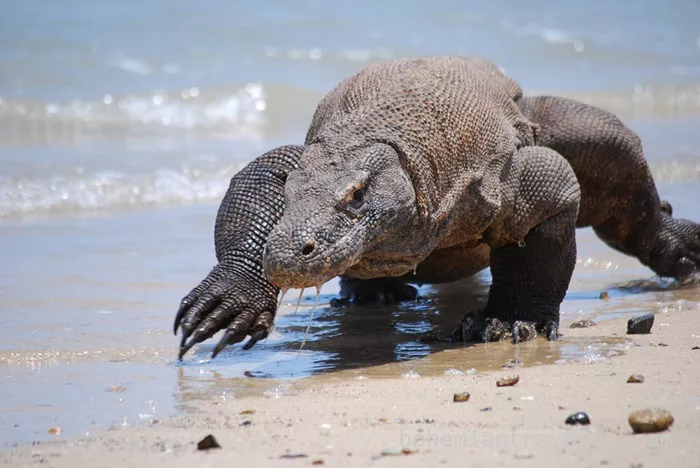
The Komodo dragon is one of the most iconic reptiles on Earth. Known for its massive size, powerful bite, and venomous saliva, this lizard is a top predator in its native environment. Found only in a few islands in Indonesia, the Komodo dragon holds a special place in the natural world due to its rarity, unique biology, and evolutionary history.
But like many other species today, the Komodo dragon faces serious threats. Its population is no longer secure in the wild, and conservationists are working hard to ensure its survival. One of the most common questions asked about this animal is simple but urgent: How many Komodo dragons are left in the world?
To answer this question, we must look at population studies, habitat range, human activities, and conservation efforts. This article will explore all of these aspects in detail. It will also examine why the Komodo dragon is at risk, what is being done to protect it, and what the future holds for this ancient species.
What Is a Komodo Dragon?
The Komodo dragon (Varanus komodoensis) is the largest living lizard species on Earth. It belongs to the monitor lizard family, Varanidae. Adult males can reach lengths of up to 10 feet (3 meters) and weigh more than 150 pounds (70 kilograms), though most are slightly smaller. Females are typically smaller than males.
Komodo dragons are carnivorous. They prey on deer, pigs, smaller reptiles, and sometimes even water buffalo. They are known for their powerful bite and sharp teeth. For many years, scientists believed their saliva contained deadly bacteria, but newer research shows that they have venom glands that release toxins to prevent blood clotting and lower blood pressure in their prey. This makes it easier for them to kill and consume large animals.
These lizards are solitary and territorial. They prefer dry, open grasslands, savannas, and tropical forests. Komodo dragons are also excellent swimmers, capable of moving between nearby islands when necessary.
Where Do Komodo Dragons Live?
Komodo dragons are only found in a small part of the world. They live on a few islands in the Lesser Sunda chain in southeastern Indonesia. The most well-known of these islands is Komodo Island, which is part of Komodo National Park. Other islands that host Komodo dragons include:
Rinca Island
Padar Island (though population numbers here have dropped)
Gili Motang
Flores (only in specific pockets)
These islands are part of a protected area, and most of them fall under the administration of Komodo National Park, established in 1980. The park aims to protect the Komodo dragon and its habitat. Although Flores is a larger island, the dragons there face more threats due to human activity, habitat loss, and less protection.
Historical Population Trends
Understanding how many Komodo dragons are left today requires looking at historical data. The species was first scientifically described in 1912 by a Dutch scientist, but the local people had known about these giant lizards for centuries.
In the early 20th century, Komodo dragons were still relatively widespread across their known range. But human encroachment, hunting, habitat destruction, and the poaching of prey animals have caused their numbers to shrink over time.
In the 1980s and 1990s, conservationists began taking population monitoring more seriously. Initial estimates varied widely, from several thousand individuals to under 3,000. The lack of consistent tracking methods made it difficult to assess population changes accurately.
Current Population Estimates
According to the most recent data provided by conservation organizations and park authorities, the estimated population of wild Komodo dragons is around 3,500 to 6,000 individuals. However, it is important to break down this number by location and type.
Population by Island:
Komodo Island: Around 1,700–2,000 dragons
Rinca Island: About 1,300–1,500 dragons
Gili Motang and Padar: Combined total under 100 dragons
Flores: Possibly up to 2,000, though this estimate is less certain due to lack of data and high risk areas
The exact number of dragons in the wild can vary depending on the time of year, breeding season success, and local conditions such as drought or food availability. Furthermore, juveniles and hatchlings often die before reaching maturity, which affects the stability of future populations.
How Are Komodo Dragons Counted?
Counting Komodo dragons is not easy. These reptiles are solitary, live in rugged terrain, and do not always move during the day. Scientists use several methods to estimate population size:
Camera traps: Cameras are placed in known habitat areas to capture images when dragons walk by.
Mark and recapture: Researchers capture dragons, mark them with harmless tags, and then release them. Later, they try to catch them again to see how many marked dragons they find.
Direct observation: Rangers and scientists track dragons during field surveys.
DNA sampling: Some studies use genetic material from dragon droppings or skin sheds to identify individuals.
All of these methods help to build a more accurate picture of the total population, although none is perfect on its own.
Why Is the Komodo Dragon Population at Risk?
Several factors threaten the Komodo dragon’s survival. Each one plays a role in limiting the population size and creating uncertainty for the species’ future.
Habitat Loss and Degradation
As humans expand agricultural and residential areas, they reduce the size and quality of Komodo dragon habitat. On the island of Flores, in particular, deforestation and human settlement have significantly reduced the dragon’s natural range.
When forests are cut down or burned, dragons lose places to hunt, hide, and reproduce. Fragmentation of habitat also makes it harder for individuals to find mates, which can reduce breeding success.
Decline in Prey Animals
Komodo dragons rely on a variety of prey, including deer, wild boar, and smaller mammals. In some areas, illegal hunting and habitat destruction have reduced the number of these animals. Without enough food, dragons may struggle to survive or reproduce successfully.
Human-Dragon Conflict
As human populations grow, people and Komodo dragons come into closer contact. This sometimes results in attacks on livestock or even people. In response, people may kill dragons out of fear or retaliation. Though rare, such events are harmful to the species, especially in areas where populations are already small.
Climate Change
Climate change poses a long-term threat. Rising temperatures, changes in rainfall patterns, and sea-level rise could all affect the Komodo dragon’s habitat. Some researchers believe that by 2050, parts of the current range may no longer be suitable for the species. This could further shrink the areas where they can live.
Genetic Bottlenecks
Because Komodo dragons live on a small number of islands, their genetic diversity is limited. Small isolated populations are more vulnerable to diseases, inbreeding, and environmental changes. A single disease outbreak could wipe out a significant portion of the population if there is not enough genetic variation to resist it.
Conservation Efforts
Despite the threats, efforts to conserve the Komodo dragon are ongoing and have achieved some success.
Komodo National Park
Established in 1980, Komodo National Park is a UNESCO World Heritage Site. It protects not just the dragons but also the rich marine and terrestrial ecosystems of the region. The park prohibits hunting, controls tourism, and restricts certain types of development. Rangers patrol the islands and monitor dragon populations regularly.
Captive Breeding Programs
Several zoos around the world have Komodo dragons in captivity. Although breeding them in zoos is difficult, a few institutions have managed to produce healthy offspring. These programs help raise awareness and may serve as genetic reservoirs for future reintroduction efforts if wild populations decline dramatically.
Community Education
Conservation groups work closely with local communities to reduce conflict and educate people about the importance of protecting Komodo dragons. When people understand the ecological role of these animals, they are more likely to support conservation programs.
Scientific Research
Ongoing research into dragon behavior, genetics, and health helps conservationists make better decisions. For example, studies of dragon movement patterns help determine how large protected areas need to be and which habitats are most essential for survival.
The Role of Tourism
Tourism can be both a blessing and a curse for the Komodo dragon. On one hand, ecotourism provides funding for conservation and gives local communities an incentive to protect the species. On the other hand, poorly managed tourism can disturb wildlife and degrade habitats.
The Indonesian government has introduced limits on the number of tourists allowed in Komodo National Park. Park rangers enforce strict rules to ensure that visitors do not disturb the animals or leave behind trash. Some proposals even suggest limiting access to certain parts of the islands to protect nesting grounds.
Conclusion
So, how many Komodo dragons are left in the world? Current estimates place the number between 3,500 and 6,000 individuals in the wild. This may seem like a reasonable number, but when broken down by location and threat level, it becomes clear that this species is on shaky ground.
The Komodo dragon is a living relic of an ancient world. It has survived for millions of years, but its future now depends on human actions. Continued protection, education, and careful planning are essential if we want to keep this incredible species alive.
Understanding the true number of Komodo dragons left is not just about counting lizards. It is about understanding how human activities affect the natural world—and what we can do to make sure we do not lose one of its most remarkable creatures.
Related topic