
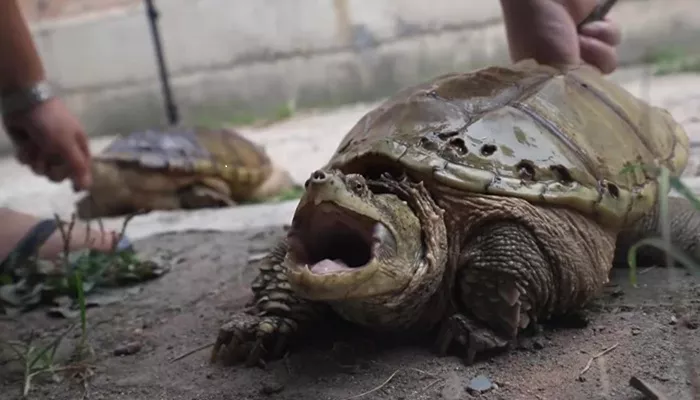
Alligator snapping turtles are among the most fascinating reptiles in North America. They are known for their prehistoric appearance, powerful jaws, and unique way of hunting. In this article, we will focus mainly on the alligator snapping turtle. Many people wonder if these creatures are endangered. In this article, we will explore their habitat, lifestyle, threats, and conservation status to answer the question: Are alligator turtles endangered?
What Is an Alligator Turtle?
The alligator snapping turtle is one of the largest freshwater turtles in the world. It can weigh over 200 pounds, although most are smaller. They live in rivers, lakes, and swamps of the southeastern United States. These turtles are known for their rough, spiky shells, strong beaks, and worm-like tongues, which they use to lure fish into their mouths. Their appearance makes them look like ancient reptiles, and they have changed very little over millions of years.
Alligator snapping turtles are mostly found in slow-moving water with plenty of cover, such as fallen logs and underwater vegetation. They are solitary animals and spend most of their time at the bottom of the water, waiting for prey.
Diet and Behavior
Alligator snapping turtles are carnivorous. They eat fish, frogs, snakes, and even small turtles. They are ambush predators, meaning they lie still and wait for prey to come close. They use their tongue to trick fish into thinking it is a worm. When the fish gets close, the turtle snaps its jaws shut with incredible force.
These turtles are mostly active at night. They rarely come out of the water except to lay eggs. Males usually stay in the water all their lives, while females leave only to nest. They have few natural predators once they reach adult size.
Reproduction and Lifespan
Female alligator snapping turtles lay their eggs on land, usually near the water. They dig a hole in the sand or soil and lay about 10 to 50 eggs. The eggs hatch after about 100 to 140 days. The sex of the hatchlings depends on the temperature of the nest. Warmer temperatures usually produce females, while cooler temperatures produce males.
These turtles grow very slowly. It takes about 11 to 13 years for them to become adults. They can live for a very long time, often 50 years or more in the wild. Some have lived over 100 years in captivity.
Habitat and Range
The alligator snapping turtle is native to the southeastern United States. They are mainly found in river systems that flow into the Gulf of Mexico. States like Florida, Georgia, Alabama, Mississippi, Louisiana, and Texas have the largest populations. They prefer clean, deep water with a soft bottom and plenty of hiding spots.
In recent decades, their habitat has been reduced due to pollution, dam building, and development. Wetland drainage for agriculture and cities has also affected their homes. When their habitat is disturbed or destroyed, turtles are forced to move to less suitable areas, which can reduce their chances of survival.
Threats to Alligator Turtles
There are several threats facing the alligator snapping turtle today:
Habitat Loss
Wetlands and river systems are being altered by human activity. Dams change the flow of rivers and block turtles from moving freely. Urban development and farming destroy nesting sites and feeding grounds.
Pollution
Water pollution from chemicals and waste can harm turtles. Polluted water can affect their food supply and their health. Heavy metals and pesticides can build up in their bodies over time.
Overharvesting
In the past, these turtles were hunted for their meat and shells. They were also captured for the pet trade. Although laws have been put in place, illegal hunting still occurs.
Road Mortality
Females crossing roads to lay eggs often get hit by cars. This is a major threat during the nesting season.
Climate Change
Changes in temperature and weather patterns affect nesting success and sex ratios. Warmer temperatures may result in fewer male hatchlings.
Invasive Species
Non-native animals can prey on turtle eggs or compete for food. For example, feral hogs dig up nests and eat the eggs.
Conservation Status
The conservation status of the alligator snapping turtle is a complex issue. Different organizations and governments classify the species in various ways:
The International Union for Conservation of Nature (IUCN) lists the alligator snapping turtle as Vulnerable.
In the United States, its status varies by state. Some states list it as Threatened or Endangered, while others do not.
In 2021, the U.S. Fish and Wildlife Service proposed listing the turtle as a Threatened Species under the Endangered Species Act. As of now, a final decision is still pending.
Conservation Efforts
Many efforts are being made to protect and conserve the alligator snapping turtle:
Habitat Protection
Protected areas and wildlife refuges help preserve the turtle’s habitat. Restoring wetlands and improving water quality are key steps.
Laws and Regulations
Some states have banned the hunting and sale of these turtles. Permits are required to keep them in captivity.
Education and Awareness
Public education campaigns help people understand the importance of turtles and how to protect them.
Research and Monitoring: Scientists are studying turtle populations, health, and behavior to better understand their needs.
Captive Breeding Programs
Some zoos and wildlife centers breed alligator snapping turtles to increase population numbers and possibly reintroduce them into the wild.
Why Are They Important?
Alligator snapping turtles play an important role in their ecosystem. They help control fish and amphibian populations, which keeps the food web balanced. Their presence is a sign of a healthy water system. Because they live so long, they can be used to study environmental changes over time.
These turtles also have cultural value. In some Native American traditions, turtles are symbols of wisdom and longevity. They are also important to the natural heritage of the southeastern United States.
How Can We Help?
There are many ways people can help protect alligator snapping turtles:
Support conservation groups that work to protect wetlands and wildlife.
Avoid disturbing turtles in the wild. Do not try to catch or keep them as pets.
Report illegal hunting or selling of turtles to the authorities.
Drive carefully near wetlands and rivers, especially during nesting season.
Reduce pollution by properly disposing of waste and using fewer chemicals.
Get involved in local cleanup events and habitat restoration projects.
Conclusion
So, are alligator turtles endangered? The answer is not simple. While they are not yet extinct, alligator snapping turtles are facing serious threats that could lead to extinction if action is not taken. Their populations are declining in many areas, and they need our help to survive. Through conservation, education, and responsible behavior, we can ensure that these amazing creatures continue to thrive in our rivers and swamps for generations to come.
Understanding and protecting alligator snapping turtles is not just about saving one species. It is about preserving the balance of nature, protecting our environment, and respecting the incredible diversity of life on our planet.
Related topics