
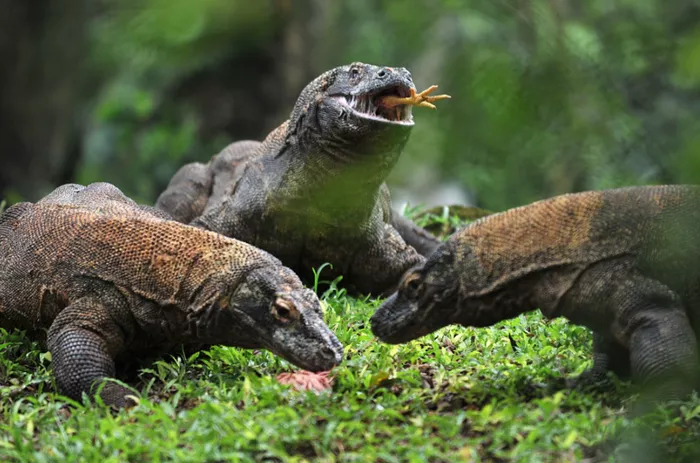
Komodo dragons are the largest living lizards on Earth. They are native to a few islands in Indonesia. These islands provide the warm, dry climate and rugged terrain that these powerful reptiles need to survive.
Introduction to Komodo Dragons
Komodo dragons are reptiles that belong to the monitor lizard family. They can grow up to 10 feet long and weigh more than 150 pounds. Despite their size, they are fast and agile.
Their scientific name is *Varanus komodoensis*. They are only found in the wild in a limited region of Southeast Asia.
Why their habitat matters
The Komodo dragon’s habitat plays an important role in its survival. The dry, hot environment supports their lifestyle, diet, and behavior. Their location also makes them unique among reptiles.
Natural Habitat of Komodo Dragons
Hot and dry areas: Komodo dragons prefer dry, arid environments. Their habitat includes savannahs, open woodlands, and tropical dry forests.
Coastal and inland areas: They are also found near beaches, mangroves, and hillsides. They can swim between islands if needed but usually stay close to land.
Climate conditions: The areas they live in are typically hot all year. Rainfall is seasonal, with most of it coming between December and March. This dry climate suits their needs perfectly.
Types of terrain
Komodo dragons live in rough terrain. Their habitat includes rocky hills, open grasslands, and forested valleys. This allows them to move around easily and find shelter.
Importance of vegetation
Vegetation helps Komodo dragons hide from predators when they are young. It also provides shade during the hottest parts of the day. Trees and tall grass also help support the ecosystem they depend on.
Where Komodo Dragons Are Found
Native region: Komodo dragons are found only in Indonesia. They live in a small group of islands known as the Lesser Sunda Islands.
Main islands: These include Komodo Island, Rinca Island, Flores Island, Gili Motang, and Padar Island.
Komodo Island
Komodo Island is the most well-known habitat. It is part of Komodo National Park. The island is dry, rugged, and covered in grasslands and forest.
Komodo dragons thrive here because there are few people, and hunting is not allowed.
Rinca Island
Rinca is another important island where many Komodo dragons live. It is smaller than Komodo Island but has a similar climate and terrain. It is also part of Komodo National Park.
Flores Island
Flores is much larger than the other islands. Komodo dragons are found in the western part of the island. Unlike the national park islands, this area is more populated by humans.
Because of this, Komodo dragons here face more threats.
Gili Motang and Padar Islands
These are smaller islands with fewer dragons. Still, they are important parts of the species’ natural range. The terrain here is rough and ideal for the dragons.
Why Komodo Dragons Live Only Here
Isolated evolution: Komodo dragons evolved in isolation. They are believed to have once had a wider range, but climate changes and rising sea levels reduced their habitat.
Lack of predators: These islands offer a safe environment. There are no large predators that threaten Komodo dragons. This allows them to dominate the ecosystem.
Abundant prey: These islands are full of animals like deer, pigs, and water buffalo. These provide food for the Komodo dragon.
Adaptation to island life
Over time, Komodo dragons adapted to island conditions. They became excellent hunters and scavengers. They are able to live without water for long periods and regulate their body heat in extreme temperatures.
Komodo National Park
Purpose of the park: Komodo National Park was created in 1980 to protect the Komodo dragon. The park includes Komodo, Rinca, and several smaller islands.
UNESCO World Heritage Site: The park was later named a UNESCO World Heritage Site. It protects not just the dragons but also the land and sea around the islands.
Tourism and conservation
Tourists visit the park to see Komodo dragons. Local guides keep both people and animals safe. The park brings in money and helps educate people about the need for conservation.
Monitoring and research
Researchers study the dragons’ behavior, breeding, and health. This helps conservationists understand their needs and protect their habitat better.
Threats to Komodo Dragon Habitats
Human development: On islands like Flores, human expansion is a threat. New farms and buildings reduce the area where dragons can live.
Climate change: Rising sea levels and changing temperatures affect the island ecosystem. These changes may reduce prey availability or change vegetation.
Natural disasters: Earthquakes, droughts, and fires are natural threats. On small islands, these can have a big impact.
Poaching and illegal activity
Even though it is illegal to harm Komodo dragons, poaching still happens. People may kill them or steal their eggs. This reduces their population.
Habitat fragmentation
As humans build more roads and towns, the dragons’ habitat becomes broken into smaller parts. This makes it harder for them to find food and mates.
Conservation Efforts
Protected areas: Most Komodo dragons live in protected areas. These places are managed to keep their environment safe.
Education programs: Locals and tourists are educated about the dragons. This helps reduce fear and increase support for conservation.
Breeding programs: In some places, zoos help with breeding. While Komodo dragons do not breed well in captivity, these programs provide important information.
International support
Groups from around the world help fund and guide conservation efforts. They work with local governments and communities.
Monitoring populations
Tracking Komodo dragons helps scientists see how healthy the population is. This includes checking how many young survive and how far dragons travel.
Komodo Dragons in Captivity
Zoo habitats: Some Komodo dragons live in zoos. These zoos try to copy the animals’ natural environment as closely as possible.
Purpose of captivity: The goal is education, research, and sometimes breeding. Captive dragons help people learn more about the species.
Limitations of captivity
It is hard to keep Komodo dragons healthy in captivity. They need a lot of space, heat, and special care. They do best in the wild.
Future of Komodo Dragon Habitats
Conservation outlook: Komodo dragons face many threats. But strong conservation programs give hope for the future.
Community involvement: Local communities are key to saving these animals. When people understand the importance of Komodo dragons, they are more likely to help protect them.
Tourism as a tool: Responsible tourism can help fund conservation and raise awareness.
Challenges ahead
Continued population growth and climate change are big threats. It will take teamwork to make sure Komodo dragons continue to live in their island home.
Conclusion
Komodo dragons live in a small group of islands in Indonesia. These islands offer the perfect mix of dry climate, open land, and available prey. Most dragons live in protected areas like Komodo National Park, but they still face threats from humans and the changing environment.
By understanding where Komodo dragons live and what they need to survive, people can help protect them. These amazing reptiles are a rare and important part of our natural world, and their future depends on how well we care for their island home.
Related topics