
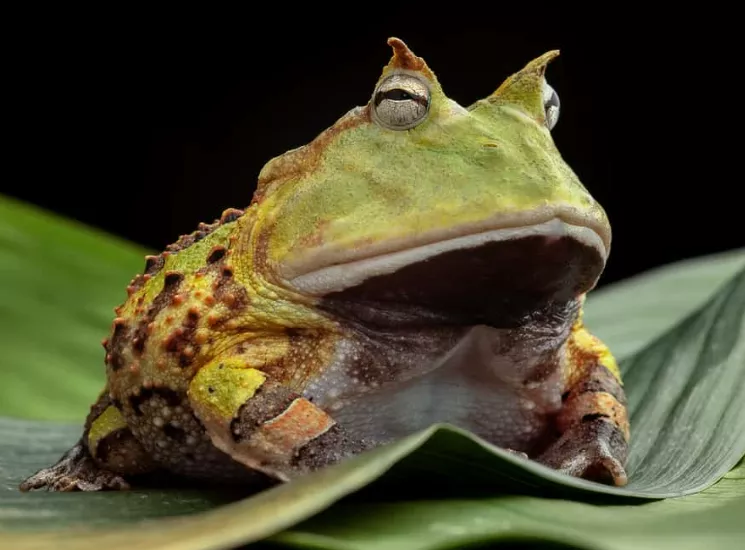
The Argentine Horned Frog, also known as “Ceratophrys ornata”, is a fascinating amphibian native to South America. Known for its large size and striking appearance, this species of frog is becoming increasingly popular as a pet. In this article, we will explore the Argentine Horned Frog‘s natural habitat, diet, behavior, and care requirements to ensure it thrives in captivity.
Introduction to the Argentine Horned Frog
The Argentine Horned Frog is a species of frog that stands out due to its large size and unique features. It is native to Argentina, Uruguay, and Paraguay, and is often referred to as the “Pacman Frog” because of its round shape and large mouth, which resembles the famous video game character. Despite its intimidating appearance, it is a relatively low-maintenance pet for experienced amphibian enthusiasts.
Physical Characteristics of the Argentine Horned Frog
The Argentine Horned Frog is a stocky amphibian, known for its broad, flat body and large mouth. Adult frogs can reach up to 6-7 inches (15-18 cm) in length. They have a variety of colors, including shades of green, brown, and yellow. The skin is smooth but often features darker markings that help them blend into their environment. One of their most distinctive features is the large, outward-facing horns above their eyes, which give them their “horned” name.
Color Variations
The color of an Argentine Horned Frog can vary based on factors like diet and environment. Wild frogs typically have a brown or green hue with darker spots, allowing them to camouflage effectively in their native habitats. In captivity, their colors can be more vibrant, especially when they are well-fed and kept in a suitable environment.
Size and Growth
The Argentine Horned Frog can grow to a considerable size for a frog. When fully grown, they can weigh around 0.5 to 1 pound (225-450 grams). Their size makes them one of the larger species of frogs kept as pets. A healthy Argentine Horned Frog will continue to grow for several years, reaching maturity by around 3 years of age.
Natural Habitat of the Argentine Horned Frog
In the wild, the Argentine Horned Frog inhabits the wetland areas of South America, particularly the moist, grassy regions of Argentina, Uruguay, and Paraguay. These frogs prefer environments that are humid and feature dense vegetation, which provides both food and shelter.
Temperature and Humidity Requirements
Argentine Horned Frogs thrive in warm, humid conditions. The ideal temperature range for these frogs is between 75-85°F (24-29°C), with humidity levels kept between 60-80%. In captivity, it is crucial to replicate these conditions by maintaining a warm and humid enclosure.
Substrate and Habitat Setup
When setting up an enclosure for an Argentine Horned Frog, it is essential to choose the right substrate. A moist, earthy substrate such as coconut husk, sphagnum moss, or reptile bark is ideal for maintaining humidity. A shallow water dish should also be provided, as the frogs enjoy soaking occasionally, although they are not aquatic and do not spend excessive time in water.
Diet and Feeding Habits
Argentine Horned Frogs are carnivorous and have a voracious appetite. In the wild, they prey on a variety of small animals such as insects, rodents, and even small birds. In captivity, their diet consists mainly of live prey, including crickets, mealworms, and small mice. It is important to offer a varied diet to ensure they receive all the necessary nutrients.
Feeding Frequency
In captivity, juvenile Argentine Horned Frogs should be fed daily, while adults typically require feeding every 2-3 days. It is crucial to provide prey that is appropriately sized for the frog’s mouth to prevent choking or injury.
Supplements for Optimal Health
To ensure the Argentine Horned Frog stays healthy, it is important to dust its food with calcium and vitamin D3 supplements. This helps prevent metabolic bone disease, a common issue in amphibians kept in captivity. It is also a good idea to offer prey that has been gut-loaded, or fed a nutritious diet, to provide additional benefits to the frog.
Behavior and Personality
The Argentine Horned Frog is known for its relatively calm and solitary nature. They are not particularly active, preferring to sit and wait for prey to approach. This “sit-and-wait” predatory behavior makes them low-maintenance pets since they do not require a lot of interaction.
Activity Level
Argentine Horned Frogs are nocturnal creatures, meaning they are most active during the night. During the day, they usually burrow into the substrate to rest. It is important to provide a hiding spot in their enclosure where they can feel secure and sleep undisturbed.
Handling and Interaction
While the Argentine Horned Frog is not aggressive, they are not particularly fond of handling. They may become stressed if handled too frequently, so it is best to minimize direct interaction. When handling them is necessary, always ensure your hands are clean and moist to avoid damaging their delicate skin.
Breeding Argentine Horned Frogs
Breeding Argentine Horned Frogs in captivity is challenging but possible. The process requires careful temperature and humidity control, as well as an understanding of the frog’s natural mating behavior. Mating typically occurs during the rainy season in the wild, where the increased humidity and rainfall trigger breeding. In captivity, breeders should mimic these conditions to encourage mating.
Egg Laying and Tadpole Development
Once mating has occurred, the female will lay her eggs in a shallow water dish. The eggs will hatch into tadpoles, which will gradually develop into juvenile frogs over several weeks. During this time, it is important to maintain water quality and temperature to ensure the healthy growth of the tadpoles.
Health and Common Issues
Like all amphibians, Argentine Horned Frogs are susceptible to certain health issues in captivity. Some common problems include skin infections, obesity from overfeeding, and metabolic bone disease caused by insufficient calcium. Regular monitoring of the frog’s health, as well as proper care and diet, can help prevent these issues.
Signs of Illness
Signs that an Argentine Horned Frog may be unwell include lethargy, weight loss, skin lesions, or a lack of appetite. If any of these symptoms are observed, it is important to consult with a veterinarian who specializes in amphibians.
Conclusion
The Argentine Horned Frog is an intriguing and low-maintenance pet for those who can provide the proper care. With its unique appearance and fascinating behavior, it can be a rewarding pet for amphibian enthusiasts. By understanding its natural habitat, dietary needs, and behavioral traits, you can ensure that your Argentine Horned Frog thrives in captivity and remains healthy for years to come.
Related topics: