
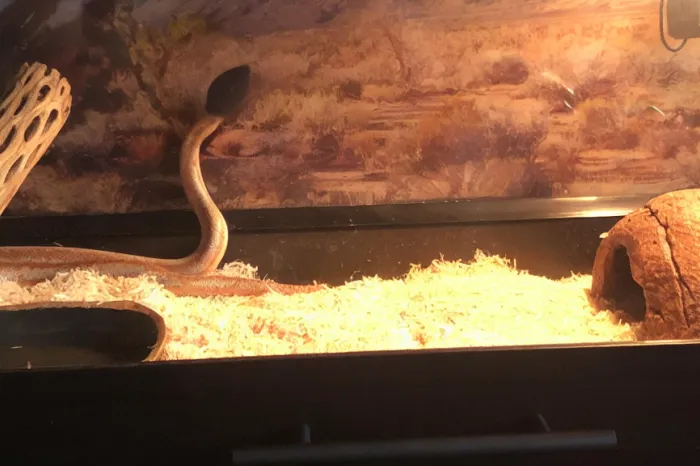
Corn snakes are one of the most commonly kept pet snakes due to their docile nature and manageable size. Like all reptiles, corn snakes rely on external heat sources to regulate their body temperature since they cannot produce heat internally. This raises an important question: does a corn snake need a heat lamp to stay healthy?
Understanding Corn Snake Temperature Needs
In the wild, corn snakes inhabit regions in the southeastern United States where temperatures vary but generally stay warm during the day. They often bask in sunlight to raise their body temperature and retreat to cooler areas when needed. To mimic this natural environment in captivity, it’s essential to provide a temperature gradient within the enclosure.
The ideal temperature range for a corn snake is between 75°F and 85°F (24°C to 29°C) during the day. They also benefit from a warmer basking spot reaching about 85°F to 90°F (29°C to 32°C). At night, temperatures can safely drop to around 65°F to 70°F (18°C to 21°C). Maintaining these conditions supports proper digestion, activity levels, and overall health.
Role of Heat Lamps in Corn Snake Care
Heat lamps are a popular heating option because they provide radiant heat similar to sunlight, creating a warm basking area. Using a heat lamp allows owners to establish the necessary temperature gradient by placing the lamp over one side of the enclosure while leaving the other side cooler.
However, not all heat lamps are suitable. It’s important to select one with adjustable intensity and ensure it does not get too close to the snake or its hideouts, preventing burns or overheating. Heat lamps should be used alongside thermostats or thermometers to monitor and regulate temperatures accurately.
Alternatives to Heat Lamps
While heat lamps are effective, they are not the only way to provide heat. Under-tank heating pads or ceramic heat emitters can also maintain appropriate temperatures without light emission. These options may be preferable if you want a consistent heat source without disturbing your snake’s day-night cycle.
Infrared heat bulbs offer another alternative by providing warmth without visible light. Regardless of the method chosen, ensuring a proper thermal gradient is critical so your corn snake can thermoregulate by moving between warmer and cooler areas.
Creating a Safe Heating Environment
Safety is paramount when heating reptile enclosures. Always position heating devices securely and avoid direct contact with your snake. Use thermostats and reliable thermometers to prevent temperature extremes that could harm your pet.
Regularly check your setup for any signs of malfunction or overheating. Providing hides on both warm and cool sides encourages natural behavior and helps your corn snake feel secure.
Conclusion
In summary, corn snakes do need an external heat source because they depend on environmental temperatures to regulate their body functions. Heat lamps are a common and effective option for creating suitable basking spots but are not the only choice available. Whether you use a heat lamp or alternatives like heating pads or ceramic heaters, maintaining proper temperature gradients and safety measures is essential for your corn snake’s health.
FAQs
Do corn snakes need light along with heat?
Corn snakes do not require UVB lighting like some reptiles but benefit from a regular day-night light cycle for natural behavior patterns.
Can I use just room temperature without extra heating?
Room temperature alone is often too low for corn snakes, especially in cooler climates or seasons, so supplemental heating is usually necessary.
How close should a heat lamp be placed?
The lamp should be positioned high enough to prevent burns but close enough to create a basking area around 85°F to 90°F.
What happens if my corn snake gets too cold?
Low temperatures can slow digestion and weaken immune function, leading to health problems over time.
Are there risks with using heat lamps?
Yes, improper use can cause burns or overheating; always monitor temperatures carefully and provide safe hides.