
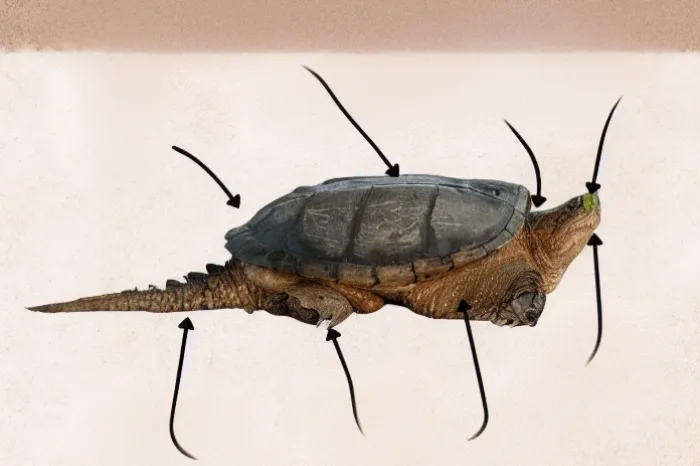
Snapping turtles are well-known reptiles that live in freshwater environments across North America. Many people wonder if these creatures have mammary glands, similar to those found in mammals. The simple answer is no—snapping turtles do not have mammary glands. This is because they belong to a group of animals called reptiles, which reproduce and feed their young in very different ways from mammals.
What Are Mammary Glands?
Mammary glands are specialized organs found only in mammals. Their main function is to produce milk to feed newborn offspring. This milk provides essential nutrients and antibodies that help the young survive early life stages. Since reptiles are not mammals, they do not possess these glands or produce milk.
How Do Snapping Turtles Care for Their Young?
Unlike mammals, snapping turtles lay eggs rather than giving birth to live young. The female turtle digs a nest in the soil and deposits her eggs there. After laying, she covers them with dirt and leaves them to incubate naturally. Once the eggs hatch, the baby turtles are independent and receive no parental feeding or care.
This means snapping turtle hatchlings must find food on their own from the moment they emerge from their eggs. Their survival depends on instinct and environmental conditions rather than parental support like nursing.
The Biological Differences Between Reptiles and Mammals
Reptiles such as snapping turtles have scales, cold-blooded metabolisms, and lay eggs with leathery shells. Mammals generally have fur or hair, warm-blooded metabolisms, and give birth to live young that nurse from their mothers.
The absence of mammary glands in reptiles highlights a key evolutionary difference between these two groups. While mammals invest energy in producing milk and caring for their offspring, reptiles rely on other strategies like laying numerous eggs to ensure some survive.
Why Understanding These Differences Matters
Knowing that snapping turtles do not have mammary glands helps clarify how diverse animal reproduction can be. It also prevents misunderstandings about reptile biology when people compare them directly to mammals.
In addition, this knowledge supports responsible pet care for snapping turtles by recognizing their natural behaviors and needs without expecting them to act like mammals.
Conclusion
Snapping turtles do not have mammary glands because they are reptiles, not mammals. Instead of nursing their young with milk, they lay eggs and leave hatchlings to survive independently. This distinction reflects the fundamental biological differences between reptiles and mammals. Understanding these facts helps us appreciate snapping turtles’ unique place in the animal kingdom.
Frequently Asked Questions
Do any reptiles have mammary glands?
No. Mammary glands are unique to mammals. Reptiles lack these organs entirely.
How do baby snapping turtles get nutrition after hatching?
They feed themselves immediately after hatching by finding insects, plants, or small aquatic animals.
Can snapping turtles produce any kind of milk-like substance?
No, snapping turtles cannot produce milk or any similar secretion for feeding their young.
Why don’t reptiles nurse their young?
Reptiles rely on laying multiple eggs to increase survival chances rather than investing in parental care like nursing.
Are there any other animals besides mammals that produce milk?
No, milk production is exclusive to mammals due to their specialized mammary glands.