
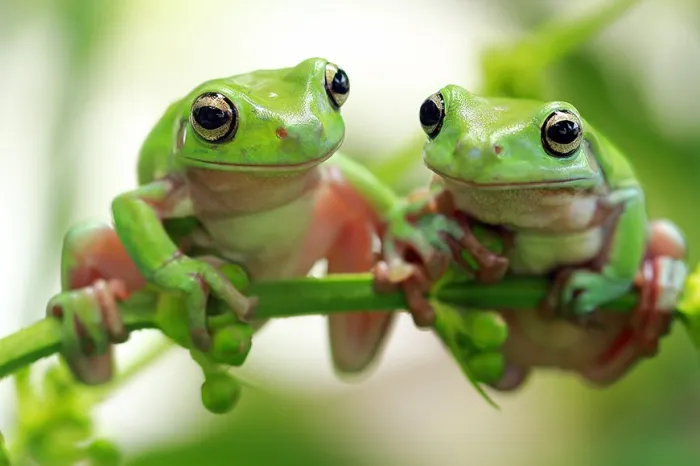
Green tree frogs are small amphibians celebrated for their bright green skin and lively presence. They belong to the family Hylidae and are often found in warm, humid environments like forests and wetlands. These frogs are not only admired for their striking appearance but also for their unique behaviors and adaptability.
Physical Features and Appearance
Green tree frogs typically measure around two to three inches in length. Their smooth, green skin helps them blend into leafy surroundings, offering protection from predators. Some species may display variations in color ranging from bright lime to yellow-green, occasionally with white or yellow stripes along their sides. Their large toe pads enable them to climb trees and other vertical surfaces with ease.
Habitat and Distribution
These frogs thrive in regions with ample moisture, often near ponds, streams, or swamps. They are native to parts of Australia, the United States, and Central America, adapting well to both natural forests and suburban gardens. The availability of water is crucial for their survival since they rely on it for breeding and hydration.
Behavior and Vocalization
Green tree frogs are mostly nocturnal creatures. During the night, males produce distinctive calls to attract females. These croaks vary among species but generally serve as a form of communication during mating season. During the day, they rest on leaves or under bark, remaining hidden from potential threats.
Diet and Feeding Habits
Their diet primarily consists of insects such as flies, moths, crickets, and other small invertebrates. They play an important role in controlling insect populations in their ecosystems. Green tree frogs use their sticky tongues to catch prey quickly and efficiently.
Caring for Green Tree Frogs as Pets
Green tree frogs have become popular pets due to their manageable size and charming appearance. To care for them properly, a terrarium with sufficient humidity and temperature control is essential. Providing climbing branches, fresh water, and a diet of live insects will help maintain their health. It is important to avoid exposure to harsh chemicals or sudden temperature changes.
Conservation Status
While many green tree frog populations are stable, habitat loss and pollution threaten some species. Protecting wetlands and natural habitats ensures these amphibians continue to thrive in the wild.
Conclusion
Green tree frogs are fascinating creatures that capture the interest of nature lovers and pet enthusiasts alike. Their vibrant color, unique behaviors, and important ecological roles make them worthy of appreciation and protection. Understanding their needs helps us coexist with these remarkable amphibians both in nature and as companions.
Frequently Asked Questions
What makes green tree frogs different from other frogs?
Their bright green color and climbing ability set them apart from many other frog species.
Are green tree frogs easy to keep as pets?
Yes, with proper care including humidity control and a suitable diet, they can thrive in captivity.
Where do green tree frogs live naturally?
They are commonly found in moist environments like forests near water bodies across Australia, parts of the US, and Central America.
What do green tree frogs eat?
They mainly consume insects such as flies, crickets, and moths.
Do green tree frogs make noise?
Yes, male green tree frogs call at night to attract mates.