
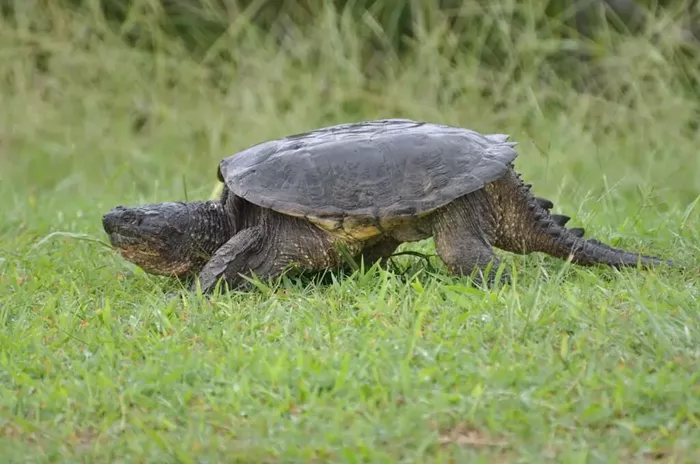
Turtles are fascinating reptiles that have captured human curiosity for centuries. Among them, snapping turtles stand out because of their unique behavior and appearance. Many people often confuse snapping turtles with “normal” turtles, also known as pond or freshwater turtles. While both belong to the reptile family and share some characteristics, they have significant differences in behavior, anatomy, habitat, diet, and interaction with humans. Understanding these differences is essential for reptile enthusiasts, wildlife observers, and anyone interested in conservation.
Physical Appearance
Snapping Turtles: Snapping turtles are generally larger and more robust than most common turtles. They have a rough, ridged shell with a saw-tooth edge at the rear, which gives them their distinctive appearance. Their heads are large, with powerful jaws that resemble a bird’s beak. Their tails are long and thick, often as long as half their body length.
Normal Turtles: Normal freshwater turtles, such as pond turtles, tend to have smooth, domed shells with uniform coloration. Their heads are proportionate to their bodies and their tails are relatively short. The shell shape and smoothness help them swim efficiently and retreat into their shells when threatened.
Behavior and Temperament
Snapping Turtles: Snapping turtles are known for their aggressive nature when threatened. They rarely fully retract into their shells and instead rely on their strong bite and quick movements to defend themselves. They can be dangerous to humans if provoked but are generally not aggressive when left undisturbed in their natural habitat.
Normal Turtles: Normal turtles are much more docile. They often retreat into their shells when sensing danger, using their shells as a protective mechanism. They are less likely to bite and can usually coexist peacefully with humans and other animals in ponds or aquariums.
Habitat and Distribution
Snapping Turtles: Snapping turtles are primarily found in freshwater environments such as rivers, lakes, and marshes. They prefer areas with muddy bottoms and abundant aquatic vegetation. They are more common in North America, particularly in the United States and southern Canada.
Normal Turtles: Normal freshwater turtles inhabit ponds, lakes, streams, and wetlands. They often bask on logs or rocks near the water’s edge. These turtles are widely distributed across North America, Europe, and Asia depending on the species.
Diet and Feeding Habits
Snapping Turtles: Snapping turtles are omnivorous and opportunistic feeders. They eat fish, amphibians, small mammals, birds, aquatic plants, and carrion. They often hunt actively, using their strong jaws to capture prey. Snapping turtles play an important role in maintaining the ecological balance in their habitats.
Normal Turtles: Normal turtles are mostly herbivorous or omnivorous, depending on the species. They feed on aquatic plants, algae, insects, and small invertebrates. Their feeding habits are less aggressive, and they usually graze or scavenge instead of hunting actively.
Reproduction and Lifespan
Snapping Turtles: Snapping turtles lay eggs on land, often digging nests in sandy or soft soil. Female snapping turtles are known to travel long distances from water to lay eggs. They have a long lifespan, often living 30 to 50 years in the wild, and sometimes longer in captivity.
Normal Turtles: Normal turtles also lay eggs on land, but their nests are usually closer to water. Their clutch size may vary, but it is generally smaller than that of snapping turtles. Lifespan varies by species, but many freshwater turtles can live 20 to 40 years with proper care and favorable conditions.
Adaptations and Survival Strategies
Snapping Turtles: The snapping turtle’s powerful jaws and aggressive defense mechanism make it well-adapted to predator-rich environments. Its long tail and strong limbs help it navigate through mud and water efficiently. Its camouflaged, ridged shell provides protection and allows it to remain concealed from both predators and prey.
Normal Turtles: Normal turtles rely on their hard shells for protection. They are generally more agile in swimming and can quickly retreat into water to escape threats. Basking behaviors help them regulate their body temperature and maintain health.
Interaction With Humans
Snapping Turtles: Snapping turtles are often feared due to their size and bite force. Handling them requires caution. While they can be dangerous if mishandled, they rarely attack humans without provocation. They are sometimes hunted for their meat in certain regions but are protected in others.
Normal Turtles: Normal turtles are commonly kept as pets. They are easier to handle and pose minimal risk to humans. Many people also enjoy observing them in natural ponds and wetlands. They are valuable for education and as indicators of freshwater ecosystem health.
Conservation Status
Snapping Turtles: Some snapping turtle populations are declining due to habitat destruction, pollution, and hunting. Conservation efforts focus on protecting wetland habitats and regulating hunting practices. They are considered an important species for maintaining ecosystem health.
Normal Turtles: Many normal freshwater turtle species are also facing threats such as habitat loss, climate change, and illegal pet trade. Conservation programs include habitat restoration, captive breeding, and public education to promote awareness about turtle protection.
Conclusion
While snapping turtles and normal turtles share some basic reptilian traits, they differ significantly in appearance, behavior, diet, habitat, and interaction with humans. Snapping turtles are larger, more aggressive, and have unique adaptations that distinguish them from their more docile freshwater relatives. Normal turtles are generally smaller, peaceful, and rely on their shells for protection. Understanding these differences enhances our appreciation of turtle diversity and underscores the importance of conservation efforts to protect these remarkable reptiles for future generations.
Related topics: