
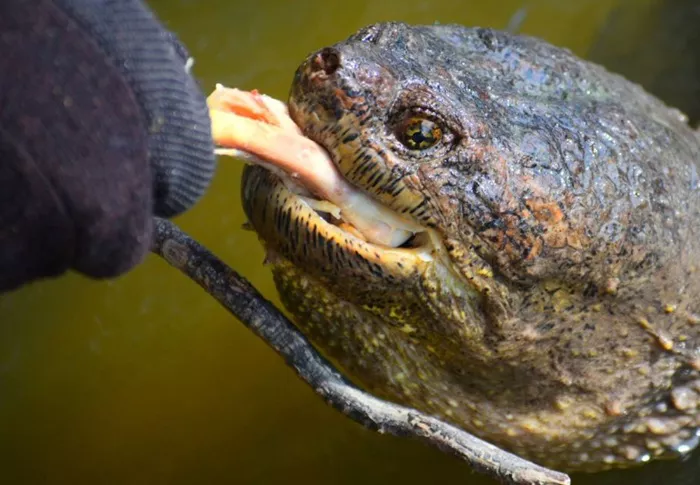
Snapping turtles are one of the most fascinating reptiles found in North America. Known for their strong jaws, sharp beaks, and aggressive behavior, these turtles have captured the attention of both wildlife enthusiasts and casual observers. But one question persists in the minds of many: do snapping turtles eat humans? In this article, we will explore this topic in detail, examining their biology, diet, behavior, and interactions with humans. By the end, readers will have a clear understanding of what snapping turtles can and cannot do when it comes to humans.
Understanding Snapping Turtles
Species Overview
There are two main types of snapping turtles: the common snapping turtle (Chelydra serpentina) and the alligator snapping turtle (Macrochelys temminckii). The common snapping turtle is smaller, usually growing to about 8–14 inches in shell length, while the alligator snapping turtle can exceed 2 feet in shell length and weigh over 200 pounds. Both species are known for their strong bite and aggressive defensive behavior when threatened.
Physical Characteristics
Snapping turtles have rugged, armored shells and long, muscular tails. Their heads are large, with strong jaws capable of crushing hard objects. They also have sharp claws, which they use for digging and catching prey. The alligator snapping turtle, in particular, has a hooked beak and a rough, spiked shell, giving it a prehistoric appearance. These physical traits are designed for survival in aquatic environments and for catching prey efficiently.
Habitat and Behavior
Where Snapping Turtles Live
Snapping turtles are primarily freshwater reptiles. They are found in rivers, lakes, ponds, and swamps. These turtles prefer slow-moving or still waters where they can hide among vegetation and debris. While they are mostly aquatic, they occasionally come onto land to lay eggs or move between water bodies. The alligator snapping turtle is more common in the southeastern United States, while the common snapping turtle has a broader range across North America.
Behavior Patterns
Snapping turtles are generally solitary creatures. They spend most of their time submerged, waiting patiently for prey to approach. They are known for their ambush hunting style, lying in wait and snapping quickly when food is within reach. Despite their reputation for aggression, snapping turtles are not naturally predators of humans. Most attacks occur only when the turtle feels threatened or is provoked.
Diet of Snapping Turtles
What Snapping Turtles Usually Eat
Snapping turtles are omnivores. Their diet consists of fish, frogs, insects, small birds, aquatic plants, and carrion. Young turtles tend to eat more animal-based food like insects and small fish, while adults include more plant matter in their diet. They are opportunistic feeders, meaning they eat what is available rather than hunting specific prey. This dietary flexibility allows them to survive in diverse aquatic habitats.
Do Snapping Turtles Eat Large Animals?
While snapping turtles can consume surprisingly large prey, including fish bigger than their heads, they do not actively hunt large mammals. There are rare reports of turtles attempting to bite small pets like ducks or dogs, but even in these cases, the attacks are defensive or opportunistic, not predatory. Humans, being much larger than their typical prey, are not a natural food source for snapping turtles.
Snapping Turtle Bite: Danger to Humans
Understanding the Bite
The bite of a snapping turtle can be severe due to its strong jaw muscles. Even a small turtle can cause deep puncture wounds, especially if it grabs a finger or hand. Alligator snapping turtles have an even more powerful bite capable of crushing bones. Despite this, the bite is a defensive mechanism, not an indication of a desire to eat humans.
Incidents with Humans
There have been reports of snapping turtle bites, usually occurring when people handle them or accidentally step on them in shallow water. Most injuries involve fingers, toes, or hands. Severe attacks on humans are extremely rare and are usually the result of someone deliberately provoking or mishandling the turtle. Overall, snapping turtles do not consider humans as prey.
Misconceptions About Snapping Turtles
Myth vs. Reality
Snapping turtles have a fearsome reputation, which has led to many myths. One common misconception is that they actively hunt humans. In reality, these turtles are cautious and prefer to avoid confrontation. Their fearsome appearance and powerful bite contribute to exaggerated stories of aggression. Understanding their natural behavior helps dispel unnecessary fear.
The Role of Fear and Media
Media portrayals often exaggerate the danger posed by snapping turtles. Viral videos and horror stories tend to depict them as aggressive predators of humans. While such incidents can occur, they are extremely rare. Most snapping turtles live peacefully in their habitats, only defending themselves when threatened or cornered.
How to Stay Safe Around Snapping Turtles
Observing from a Distance
The best way to avoid snapping turtle bites is to maintain a safe distance. These turtles are not aggressive if left alone. Observing them from the shore or from a boat ensures both human and turtle safety. Never attempt to touch or pick up a snapping turtle, especially large alligator snapping turtles.
Handling Precautions
If you must handle a snapping turtle, use tools like nets or heavy gloves. Hold smaller turtles by the back of their shell, away from the head. Never place your hands near the mouth, as a bite can cause serious injury. Remember that handling is stressful for the turtle and should be minimized.
Pet and Child Safety
Keep children and pets away from areas known to have snapping turtles. Teach children not to provoke wildlife. While a snapping turtle bite is unlikely to be fatal, it can result in painful injuries and infections. Supervision near freshwater habitats is crucial for safety.
Ecological Role of Snapping Turtles
Predators and Scavengers
Snapping turtles play an important role in aquatic ecosystems. As predators, they help control populations of fish, amphibians, and insects. As scavengers, they clean up dead animals, contributing to the health of their habitat. Understanding their ecological role highlights the importance of coexistence rather than fear.
Conservation Status
Snapping turtles are not currently endangered, but habitat destruction and overharvesting pose threats to some populations. Responsible wildlife management ensures that these turtles continue to thrive in the wild. Protecting their habitats also reduces the likelihood of human-turtle conflicts.
Interesting Facts About Snapping Turtles
Longevity
Snapping turtles are long-lived reptiles. Common snapping turtles can live up to 30 years in the wild, while alligator snapping turtles can live more than 70 years. Their long lifespan allows them to have significant impacts on their ecosystems over time.
Behavioral Adaptations
Alligator snapping turtles have a unique hunting strategy called “lingual luring.” They wiggle a worm-like appendage on their tongue to attract fish. This clever adaptation demonstrates their intelligence and patience as ambush predators.
Impressive Strength
Even small snapping turtles have incredibly strong jaws relative to their size. They can bite with a force that exceeds their body weight, making them one of the strongest biters among freshwater animals. Despite this, they use this strength primarily for feeding and defense, not for attacking humans.
Conclusion
In summary, snapping turtles do not eat humans. While they have powerful jaws and can inflict painful bites, their diet consists mainly of fish, insects, amphibians, and plants. Most bites occur only when humans provoke or mishandle them. Understanding their behavior, diet, and ecological role can help people appreciate these fascinating reptiles without unnecessary fear. By respecting their space and observing them safely, humans and snapping turtles can coexist peacefully in the wild.
Related topics: