
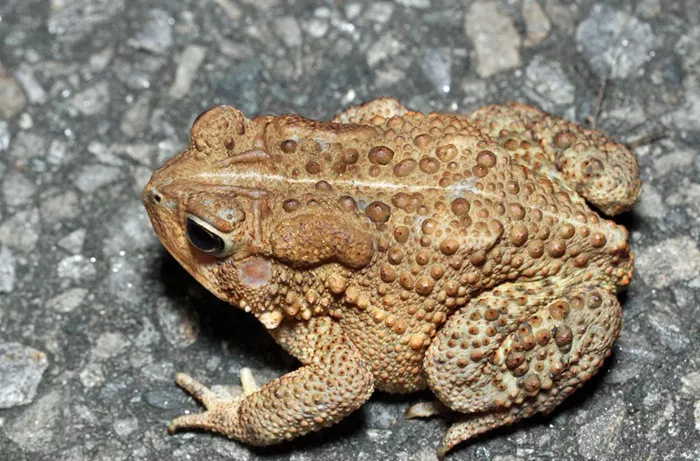
The American toad, scientifically known as Anaxyrus americanus, is one of the most familiar amphibians in North America. It lives in forests, fields, wetlands, suburbs, and even city gardens. Many people see American toads at night when they are active. But few people know where they sleep during the day or where they rest during long seasonal changes.
Understanding where American toads sleep helps us understand their behavior, survival strategies, and habitat needs. Sleep for amphibians is not exactly the same as sleep for humans. American toads do not close their eyes for long hours in a bed. Instead, they enter states of rest and inactivity that help them conserve energy and avoid danger.
This article explains in detail where American toads sleep during the day, at night, in different seasons, and in different environments. It also explores how temperature, moisture, predators, and human activity affect their sleeping sites.
Understanding Sleep in American Toads
Do American Toads Really Sleep
American toads do not sleep in the same way mammals do. They do not have eyelids that close like ours. Instead, they have a transparent membrane that protects the eye. When resting, their body becomes still. Their breathing slows. Their awareness of the surroundings decreases, but they remain alert to strong vibrations or movement.
Sleep for an American toad is more accurately described as periods of inactivity. During these periods, the toad conserves energy and avoids predators.
Why Sleep Location Matters
American toads have permeable skin. This means they lose moisture easily. Because of this, their resting place must protect them from drying out. Their sleeping site must also protect them from predators such as snakes, birds, raccoons, and domestic pets.
Therefore, the choice of sleeping location is critical for survival.
Where Do American Toads Sleep During the Day
Under Loose Soil
One of the most common daytime sleeping places is shallow soil. American toads are skilled burrowers. They use their strong hind legs to dig backward into soft ground. Often, they bury themselves partially or almost completely.
The soil provides moisture and stable temperature. It also hides them from predators. In gardens, they may sleep under flowerbeds or vegetable plots where soil is soft.
Under Leaf Litter
In forests and wooded areas, American toads often sleep beneath fallen leaves. Leaf litter keeps the ground cool and damp. It also provides camouflage. The toad’s brown or gray skin blends perfectly with dead leaves.
This location offers both humidity and protection.
Beneath Logs and Rocks
Rotting logs and flat stones create excellent shelter. These objects hold moisture and block sunlight. A toad may press its body against the damp earth beneath them.
This is common in woodland habitats and suburban yards. If you gently lift a log in a shaded area, you may find a resting American toad underneath.
Inside Natural Cavities
American toads sometimes sleep in natural ground cavities. These include small animal burrows, cracks in soil, and spaces between roots. They do not always dig their own shelter. Sometimes they use abandoned burrows made by insects or small mammals.
Where Do American Toads Sleep at Night
Nocturnal Activity Pattern
American toads are primarily nocturnal. This means they are active at night. They hunt insects after sunset when humidity rises and temperatures drop.
Because of this behavior, they usually rest during the day and are awake at night. However, they may take short rest breaks at night between feeding periods.
Temporary Resting Spots
During nighttime activity, an American toad may pause under low plants, in grass clumps, or beside stones. These are not deep sleep locations. They are temporary resting points.
If disturbed, the toad quickly becomes alert and may hop away.
Where Do American Toads Sleep in Urban Areas
Gardens and Lawns
In suburban and urban environments, American toads adapt well. They often sleep in garden beds, beneath shrubs, or under piles of mulch. Moist soil in watered gardens is attractive to them.
Under Decks and Porches
Structures such as wooden decks provide shade and humidity. The ground beneath these structures stays cool. American toads may dig shallow depressions there for daytime rest.
Basement Window Wells
In some neighborhoods, American toads are found resting inside window wells. These areas are damp and sheltered. However, they may become trapped there.
Where Do American Toads Sleep in Winter
Winter Dormancy
In cold climates, American toads cannot remain active during winter. They enter a state called brumation. This is similar to hibernation but occurs in cold-blooded animals.
Deep Underground
During winter, American toads dig deeper than they do in summer. They burrow below the frost line. This may be several inches to over a foot underground, depending on the region.
Below the frost line, the temperature remains more stable. The soil does not freeze completely. This prevents ice crystals from forming in the toad’s vital organs.
Forest Floors and Soft Earth
Wooded areas provide ideal winter shelter. The thick layer of leaves and organic matter insulates the ground. Toads may dig into these layers and remain inactive for months.
Where Do American Toads Sleep in Summer Heat
Seeking Moist Microhabitats
During hot summer days, American toads must avoid dehydration. They sleep in the coolest and dampest locations available.
These include shaded soil, under vegetation, or near the edges of ponds and streams. The closer they are to moisture, the safer they are from drying out.
Burrowing to Escape Heat
If temperatures become extreme, American toads burrow deeper than usual. Even a few inches of soil can significantly reduce heat exposure.
Environmental Factors Influencing Sleeping Sites
Moisture Levels
Moisture is the most important factor. Because their skin absorbs water and oxygen, dry environments are dangerous. Toads choose sleeping sites that retain humidity.
Temperature Stability
Rapid temperature changes can be harmful. Soil and leaf litter buffer temperature swings. This makes them ideal resting places.
Predator Avoidance
American toads rely on camouflage. Their sleeping sites often match their body color. Hidden locations reduce the risk of predation.
How American Toads Prepare Their Sleeping Spot
Body Position
When resting, an American toad flattens its body slightly. This increases contact with moist ground. The posture reduces water loss.
Shallow Depression Digging
Toads often create a small hollow by pushing backward with their hind legs. This shallow depression fits their body shape and offers stability.
How Long Do American Toads Stay in One Spot
American toads may use the same daytime shelter for several days if conditions remain favorable. However, they may change locations if the area becomes dry, disturbed, or unsafe.
Seasonal movement also influences sleeping location. Breeding season in spring may bring them closer to water bodies.
Breeding Season Resting Behavior
During early spring, American toads gather near ponds and wetlands to breed. Between calling and mating activity, males may rest in shallow water edges or moist ground near breeding sites.
After breeding, they disperse and return to terrestrial sleeping sites.
Do American Toads Sleep in Water
Unlike some frog species, American toads are primarily terrestrial. They do not usually sleep submerged in water. However, during breeding season, they may rest partially in shallow water.
Most of the year, they sleep on land.
Signs That a Toad Is Sleeping Nearby
You may notice loose soil with a shallow hollow. You may see a still shape under leaves. Sometimes only the eyes are visible.
If approached slowly, a sleeping toad may remain motionless. If touched or strongly disturbed, it quickly becomes active.
Human Impact on Sleeping Habitats
Habitat Destruction
Removing leaf litter, clearing logs, and paving soil reduce available sleeping sites. Urban expansion limits suitable resting areas.
Pesticide Use
Chemicals in soil can harm American toads. Because they absorb substances through their skin, contaminated sleeping sites are dangerous.
How to Create Safe Sleeping Areas in Gardens
Provide Leaf Cover
Leaving a section of natural leaf litter supports toad shelter.
Avoid Chemical Treatments
Reducing pesticide use protects amphibian health.
Maintain Moist Soil
Watering gardens moderately helps maintain suitable humidity.
Conclusion
American toads sleep in places that are moist, cool, and protected. During the day, they hide under soil, leaf litter, logs, rocks, and garden structures. At night, they are mostly active but may rest briefly in sheltered spots. In winter, they burrow deep below the frost line and remain dormant for months. Their sleeping locations are shaped by moisture, temperature, predator pressure, and seasonal change.
Understanding where American toads sleep allows us to better protect their habitats. These quiet amphibians depend on hidden, stable shelters to survive. By preserving natural ground cover and reducing environmental disturbance, we help ensure that American toads continue to thrive across their range.