
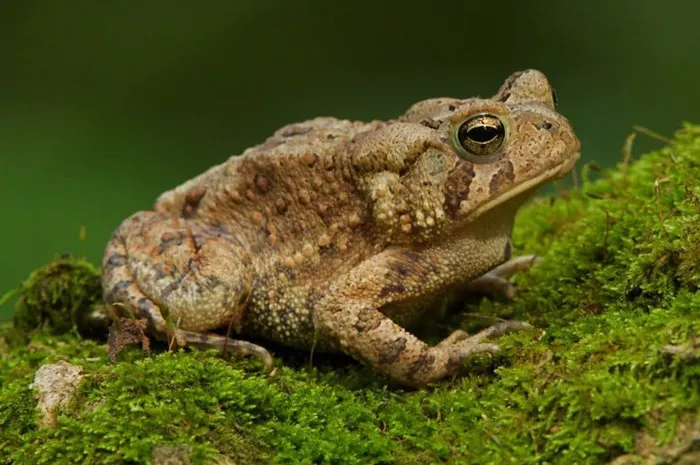
American toads are common amphibians found throughout North America. They are known for their adaptability and their ability to live in a variety of environments. Understanding the habitats of American toads is important for both nature enthusiasts and researchers studying amphibian ecology. This article explores the types of habitats where American toads thrive, the factors influencing their habitat selection, and how humans impact their living environments.
General Habitat Overview
American toads are versatile creatures that can live in different types of ecosystems. They are commonly found in forests, grasslands, gardens, and even urban areas. Their habitats are usually moist and provide sufficient cover for protection from predators. Moisture is a critical factor because it helps prevent dehydration and supports the toads’ skin, which is essential for respiration.
Forests and Woodlands
Forests and woodlands are primary habitats for American toads. These areas provide ample leaf litter, fallen logs, and soil cover, which are ideal for hiding and burrowing. The dense vegetation also ensures a steady supply of insects, worms, and other small invertebrates, which make up the toads’ diet. American toads often remain hidden during the day and become more active at night.
Grasslands and Meadows
Grasslands and meadows are also suitable habitats. Although these areas are less covered than forests, American toads can find shelter under tall grasses and stones. They prefer damp or low-lying areas where water collects after rain. These open spaces provide ample hunting grounds for insects, which are abundant in grasslands and meadows.
Wetlands and Ponds
Wetlands, ponds, and marshy areas are particularly important for American toads during breeding season. While adult toads may live in forests or fields, they return to water sources to lay eggs. Shallow ponds with still water are preferred because they protect the eggs and tadpoles from strong currents and predators. The presence of aquatic vegetation also provides shelter and food for young toads.
Microhabitats
Within these general habitats, American toads use specific microhabitats that meet their needs for moisture, safety, and food.
Leaf Litter and Soil
Leaf litter and soil are vital microhabitats. American toads often burrow into soft soil or hide beneath leaves to avoid heat and desiccation. These areas provide protection from predators and help to maintain the necessary moisture levels. Burrowing also allows the toads to hibernate during cold winters.
Under Rocks and Logs
Rocks, logs, and other debris create sheltered spaces where toads can hide. These microhabitats are especially important during the day or in dry periods. The spaces under rocks and logs help to regulate temperature and humidity, which is crucial for amphibian survival.
Near Water Sources
Even when living in forests or fields, American toads usually stay near water sources. Moist soil and puddles provide hydration and a hunting ground for insects. During dry spells, toads often retreat to areas where moisture is retained, such as under dense vegetation or near streams.
Urban and Suburban Habitats
American toads have adapted well to human-modified environments. Gardens, parks, and backyards can serve as suitable habitats if they provide moisture, cover, and food. Mulched gardens, flower beds, and compost piles offer shelter, while garden ponds provide breeding sites. However, urban areas also present risks, including traffic, pollution, and pesticide use.
Gardens and Lawns
Gardens and lawns are often attractive to toads due to the abundance of insects. Mulch, shrubs, and ornamental plants provide hiding spots. During rainy periods, toads may come out of hiding to forage actively. Garden ponds and water features are particularly important for breeding and raising tadpoles.
Parks and Green Spaces
Parks and green spaces in cities can support American toad populations. These areas mimic natural habitats by offering trees, shrubs, and ponds. Conservation efforts in urban parks, such as maintaining native vegetation and reducing pesticide use, can enhance habitat suitability for these amphibians.
Seasonal Habitat Changes
The habitats of American toads change with the seasons. During spring and summer, they are more active and spend more time above ground, hunting and mating. In autumn, they begin to prepare for hibernation, seeking deeper soil, leaf litter, or burrows. In winter, they remain underground in a state of dormancy, relying on soil insulation to survive cold temperatures.
Spring and Summer Habitats
During spring, American toads are highly active and often congregate near ponds and wetlands to breed. The warm, moist conditions of spring and early summer allow them to forage actively. Forest edges, meadows, and garden areas become important hunting grounds during this time.
Autumn Habitats
In autumn, American toads prepare for hibernation. They seek safe, insulated areas in soil or under leaf litter. Moisture remains important, but the focus shifts from hunting to finding secure locations to survive the winter.
Winter Habitats
During winter, American toads hibernate underground. They burrow several inches deep into soil, often beneath logs or leaf litter. Hibernation protects them from freezing temperatures and reduces metabolic activity until spring returns.
Factors Influencing Habitat Selection
Several environmental factors determine where American toads choose to live.
Moisture Levels
Moisture is crucial for toads because their skin absorbs water. They avoid dry, exposed areas and prefer damp soil, leaf litter, or shaded spots. Water bodies are essential during breeding season, while microhabitats provide moisture during dry periods.
Temperature
American toads are sensitive to extreme temperatures. They seek shaded areas or burrow underground to avoid overheating in summer. In winter, they rely on soil insulation to survive freezing conditions. Seasonal temperature changes drive their movement between microhabitats.
Predation Risk
Toads select habitats that reduce the risk of predation. Areas with dense cover, leaf litter, logs, or rocks provide protection from birds, snakes, and mammals. Urban and suburban toads may face higher predation from domestic cats and dogs.
Food Availability
The presence of insects and other small invertebrates is a key factor. Habitats rich in prey, such as gardens, forests, and meadows, are more attractive. Toads often stay in areas where they can easily hunt, balancing safety with food access.
Human Impacts on American Toad Habitats
Human activities can greatly affect the habitats of American toads. Urbanization, deforestation, and pollution can reduce available habitats and increase mortality. However, conservation efforts and habitat restoration can support toad populations.
Urbanization
Urbanization can fragment habitats, making it difficult for toads to find water and shelter. Roads and buildings can act as barriers, and traffic can cause direct fatalities. Garden ponds and green corridors can help mitigate these effects.
Pesticides and Pollution
The use of pesticides and chemical fertilizers can reduce insect populations, indirectly affecting toads’ food supply. Pollutants in water bodies can harm eggs and tadpoles. Minimizing chemical use and maintaining clean water sources are critical for sustaining healthy habitats.
Habitat Restoration
Restoring wetlands, planting native vegetation, and creating garden ponds can improve habitat quality. Protecting forests, meadows, and riparian zones also benefits American toads. Community awareness and conservation programs play a key role in maintaining suitable habitats.
Conclusion
American toads are highly adaptable amphibians that occupy a wide range of habitats across North America. They thrive in forests, grasslands, wetlands, and even urban gardens, relying on moisture, cover, and food availability to survive. Seasonal changes influence their movement and habitat use, while human activities can either threaten or support their populations. Understanding the habitats of American toads helps promote conservation efforts and ensures these fascinating creatures continue to thrive in diverse environments.