
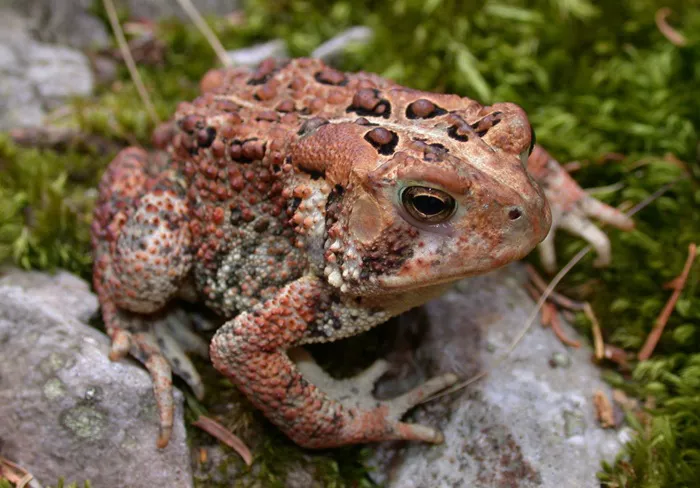
The American toad (Anaxyrus americanus) is a common amphibian found across North America. They are known for their adaptability to different environments, ranging from forests to suburban backyards. Many people encounter American toads in gardens and wonder about their physical abilities. One common question is whether American toads can climb. In this article, we explore their anatomy, behavior, and climbing capabilities in detail. This article aims to provide accurate information in simple terms, making it accessible for readers of all ages.
American Toads: General Overview
American toads belong to the family Bufonidae. They are medium-sized amphibians that usually grow between 2 to 4 inches in length. Their skin is warty and can vary in color from brown to reddish or olive green. These toads are primarily terrestrial, meaning they spend most of their time on the ground. Despite this, they can occasionally be seen in elevated locations such as garden walls or low shrubs. Understanding their general characteristics helps explain their climbing abilities.
Physical Characteristics That Affect Climbing
Body Structure
American toads have a stocky, compact body with short legs. Unlike tree frogs, which have long limbs for jumping and climbing, toads are built for walking and hopping on the ground. Their bodies are heavy relative to their leg length, which limits their vertical mobility.
Foot Structure
The toes of American toads are not equipped with adhesive pads. Tree-dwelling amphibians often have sticky toe pads that help them grip smooth surfaces. Toads have small, blunt toes with slight webbing for swimming, not climbing. This anatomy makes it difficult for them to cling to vertical or smooth surfaces.
Skin and Grip
The skin of American toads is rough and covered in warts. While this texture can provide some friction on rough surfaces like tree bark or soil, it is not enough for sustained climbing. Their skin is also sensitive to drying out, so they avoid climbing to exposed, dry areas where they risk dehydration.
Natural Habitat and Climbing Behavior
Terrestrial Lifestyle
American toads are mostly ground dwellers. They prefer habitats with moist soil, leaf litter, or grassy areas. They hunt for insects and other invertebrates on the ground and use burrows or hide under rocks and logs for protection. Their natural behavior does not require frequent climbing.
Occasional Low Climbing
While they are not true climbers, American toads can make short vertical movements. They may climb slightly elevated surfaces such as logs, rocks, or low garden walls. These climbs are typically no more than a few inches to a foot high and are motivated by safety or food search. They do not scale smooth vertical surfaces or trees.
Reasons for Climbing Attempts
American toads may attempt climbing in certain scenarios:
- Escaping predators: If threatened, a toad might hop onto a rock or fallen branch.
- Searching for food: Insects may be located on low vegetation, prompting a minor climb.
- Finding shelter: Toads may crawl under debris or into small crevices slightly above ground level.
Comparison with Tree Frogs
Tree frogs, such as the American green tree frog, are well-known climbers. They possess long legs and adhesive toe pads that allow them to climb trees and walls easily. In contrast, American toads lack these specialized adaptations. While tree frogs can navigate vertical surfaces effortlessly, toads are limited to minor climbing on rough or textured surfaces.
Environmental Factors Affecting Climbing
Surface Texture
American toads can climb rough surfaces like bark, stone, or soil. Smooth surfaces such as glass, metal, or painted walls are nearly impossible for them to climb. The roughness of the surface determines the amount of friction and grip they can achieve.
Moisture Levels
Being amphibians, American toads need moisture for their skin. Climbing to exposed dry areas increases the risk of dehydration. Therefore, they are more likely to attempt climbing in moist conditions, such as after rainfall or near water sources.
Temperature
American toads are ectothermic, meaning their body temperature depends on the environment. Cold or hot temperatures can limit their activity, including climbing. Optimal climbing activity occurs in moderate temperatures when the toads are active and agile.
Scientific Observations on Climbing
Studies and field observations confirm that American toads are primarily terrestrial. They have been seen climbing low obstacles occasionally but are not adapted for vertical locomotion. Most climbing occurs under 12 inches above ground and is usually motivated by food or shelter rather than exploration.
Captive Behavior: Can Toads Climb in Terrariums?
In captivity, American toads may attempt to climb if provided with objects such as rocks, logs, or plants. However, they will rarely scale walls or smooth surfaces. Enclosures should be designed with horizontal space and low hiding spots rather than tall climbing structures. Providing proper substrate, moisture, and shelter is more important for their well-being than climbing opportunities.
Common Myths About Toad Climbing
Myth 1: Toads Can Climb Trees
This is false. Unlike tree frogs, American toads cannot climb vertical tree trunks or branches. Any observation of toads in trees is usually accidental, such as falling from a low branch or being carried by predators.
Myth 2: Toads Are Just Like Frogs in Mobility
Many people confuse toads with frogs and assume similar abilities. Frogs generally have longer legs and smoother skin, allowing them to jump and climb effectively. American toads have shorter legs and warty skin, which makes them poor climbers.
Tips for Observing Toad Climbing
- Observe them after rain when they are more active.
- Look for climbing attempts on rocks, logs, and low garden structures.
- Avoid expecting vertical climbing like tree frogs.
- Ensure a moist environment to see natural behavior.
Conclusion
American toads are primarily terrestrial amphibians with limited climbing abilities. They can make minor vertical movements on rough surfaces but lack the physical adaptations to climb smooth walls or trees. Their short legs, blunt toes, and warty skin restrict their climbing potential. Understanding these limitations helps to manage expectations when observing toads in the wild or in captivity. Providing a safe, moist, and horizontally structured environment allows American toads to thrive without the need for significant climbing structures.