
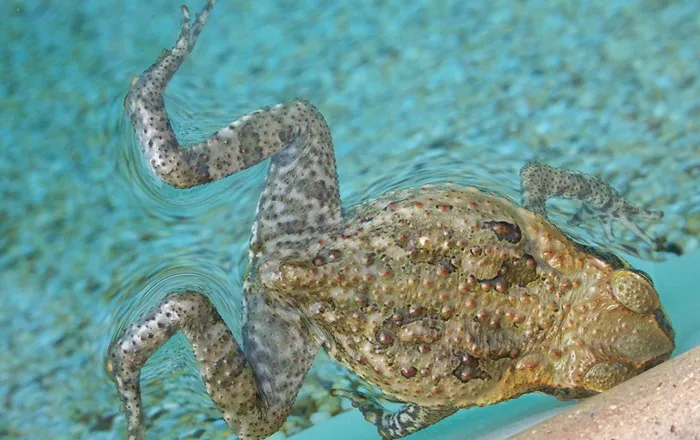
The American toad (Bufo americanus) is one of the most familiar amphibians in North America. Many people encounter them in gardens, parks, and forests. While most toads are known for their terrestrial habits, a common question arises: can American toads swim? Understanding their swimming abilities is important for appreciating their behavior, habitat preferences, and survival strategies. In this article, we explore the physical adaptations, natural behaviors, and environmental factors that affect the swimming capabilities of American toads.
General Characteristics of American Toads
Physical Appearance
American toads are relatively small amphibians, typically ranging from 2 to 4 inches in length. They have rough, warty skin that helps retain moisture and provides some protection from predators. Their coloration varies from brown to reddish, often with dark spots on the back. The skin texture and body structure play a significant role in how they move on land and in water.
Habitat Preferences
American toads are primarily terrestrial. They thrive in wooded areas, gardens, and grasslands, often near sources of water. While they spend most of their time on land, they rely on aquatic environments for breeding. This dual habitat preference suggests that they may need some swimming ability, especially during the breeding season.
Lifespan and Life Cycle
American toads can live for 5 to 10 years in the wild. Their life cycle includes eggs, tadpoles, juvenile toads, and adults. The aquatic stage, particularly as tadpoles, requires full adaptation to water. Adult toads, while mostly terrestrial, retain some swimming abilities inherited from their tadpole stage.
Swimming Abilities of American Toads
Are American Toads Good Swimmers?
American toads are capable of swimming, but they are not as efficient in water as frogs. Unlike frogs, which have long, webbed hind feet optimized for swimming, toads have shorter legs and less webbing. This limits their speed and maneuverability in aquatic environments. They can paddle and float to some extent, but they rarely engage in long-distance swimming.
Techniques of Swimming
When in water, American toads use a combination of limb movements to stay afloat. Their hind legs perform gentle kicking motions, while the front limbs help steer and stabilize. They often swim in short bursts rather than sustained strokes. This technique is sufficient for crossing small ponds, streams, or temporary pools but not for fast-flowing water.
Reasons Toads Swim
Swimming serves several purposes for American toads:
- Breeding: Adult toads enter ponds or streams to lay eggs during the mating season.
- Escaping Predators: Water provides a temporary refuge from terrestrial predators.
- Hydration: Toads may enter shallow water to stay moist, especially in dry conditions.
- Tadpole Development: Their offspring are fully aquatic and require water for survival.
Comparison with Other Amphibians
American Toads vs. Frogs
Frogs are often associated with excellent swimming skills. Their long, muscular legs and fully webbed feet allow them to leap and propel themselves efficiently through water. In contrast, American toads have a stockier body and shorter limbs, limiting their swimming performance. This is why toads are often seen more on land and near the water’s edge rather than swimming in open water.
American Toads vs. Other Toad Species
Compared to other toad species, American toads are moderately capable swimmers. Some tropical toads are more aquatic and spend significant time in water, while others remain strictly terrestrial. American toads fall somewhere in between, capable of swimming when necessary but not adapted for extensive aquatic life.
Environmental Factors Affecting Swimming
Water Temperature
Temperature plays a key role in the swimming activity of American toads. Cold water may reduce their activity levels, making them sluggish. Conversely, warmer water increases metabolism and allows for more efficient swimming. Seasonal changes, therefore, influence how often and how well toads swim.
Water Quality
Toads are sensitive to polluted water. Contaminants like pesticides and chemicals can impair their skin function, which is essential for absorbing oxygen in water. Clean, shallow ponds and streams provide safer environments for swimming.
Water Depth
American toads prefer shallow water for swimming. Deep water can be dangerous since they are not strong swimmers and may become exhausted. Shallow edges of ponds and slow-moving streams are ideal for their limited aquatic activities.
Behavioral Observations in Nature
Seasonal Patterns
During spring, American toads migrate to breeding sites. This is the period when swimming is most observed. They may cross small water bodies, relying on short bursts of paddling. Outside the breeding season, swimming is uncommon.
Predation and Escape Strategies
When threatened, toads may enter water to avoid predators such as snakes, birds, and raccoons. Although they swim poorly compared to frogs, water offers temporary protection. They can stay submerged briefly, floating or slowly paddling to reach safety.
Interaction with Tadpoles
Adult toads are less aquatic than their tadpoles, which are fully adapted to water. Tadpoles use tail movements to propel themselves and have gills to breathe underwater. Observing the swimming behavior of tadpoles can provide insight into the evolutionary adaptations that adult toads retain.
Care Tips for American Toads in Captivity
Providing Water Features
If you keep American toads as pets, it is essential to provide a shallow water area. This allows them to swim safely and maintain hydration. Avoid deep containers, as toads may drown due to limited swimming ability.
Temperature and Humidity
Maintain proper temperature and humidity to mimic natural conditions. Water should be at a moderate temperature, not too cold or hot. This ensures that swimming and hydration are comfortable for the toads.
Monitoring Health
Observe swimming behavior to detect health issues. If a toad struggles to swim or avoids water entirely, it may indicate illness or dehydration. Providing a clean and safe environment encourages natural swimming and enhances overall health.
Interesting Facts About American Toad Swimming
Short-Distance Swimmers
American toads usually swim only short distances. They rarely venture far from the water’s edge. This behavior reduces energy expenditure and minimizes exposure to aquatic predators.
Floating Ability
Toads can float on water surfaces for short periods. This ability helps them rest and catch their breath during swimming. Unlike frogs, they rely more on floating than active propulsion.
Adaptation to Breeding
Swimming is critical for reproduction. Male toads call from the water’s edge, and females enter briefly to lay eggs. Even limited swimming skills are sufficient for successful mating and continuation of the species.
Conclusion
In summary, American toads can swim, but they are not strong or efficient swimmers like frogs. Their swimming is limited to short bursts, shallow water, and specific needs such as breeding, hydration, and escape from predators. Physical adaptations like shorter legs and less webbing constrain their aquatic abilities, yet their skills are adequate for survival. Understanding these behaviors provides insight into their life cycle, environmental preferences, and how they navigate the balance between terrestrial and aquatic habitats. For enthusiasts, observing American toads in their natural or captive environment reveals fascinating aspects of amphibian behavior and adaptation.