
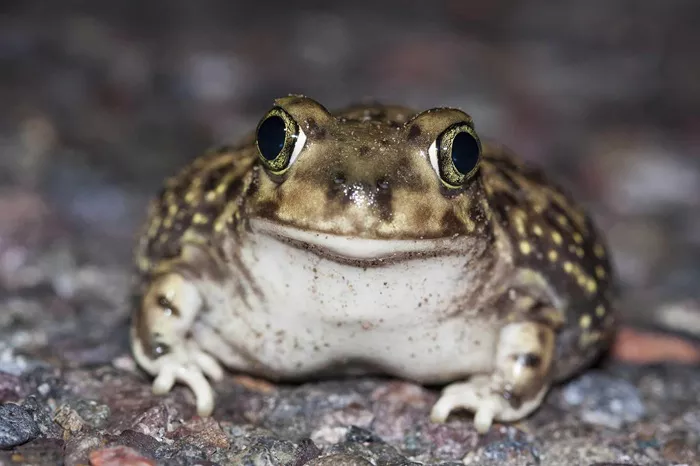
The American toad (Anaxyrus americanus) is a common amphibian found throughout much of North America. Known for its distinctive warty skin and long lifespan, this species plays an important role in ecosystems by controlling insect populations and serving as prey for various animals. Despite its common presence, many people wonder whether American toads are endangered. In this article, we will explore their conservation status, natural habitat, threats, and what measures are in place to protect them.
Overview of the American Toad
The American toad is a medium-sized amphibian, typically measuring between 2 to 4 inches in length. It has rough, bumpy skin that helps it blend into forest floors and gardens. Its coloration ranges from brown to reddish-brown with darker spots, and its underbelly is usually lighter. American toads are known for their loud, musical trills, which males use during the breeding season to attract mates.
Habitat and Distribution
American toads are widely distributed across the eastern and central United States, parts of Canada, and northern Mexico. They can be found in forests, grasslands, suburban areas, gardens, and even wetlands. These toads prefer moist environments near ponds, streams, and lakes, which are necessary for breeding. However, they are adaptable and can survive in a range of habitats as long as there is sufficient moisture and shelter.
Lifespan and Behavior
American toads have an average lifespan of 5 to 10 years in the wild, though some individuals can live up to 12 years. They are nocturnal, emerging at night to hunt insects, worms, and other invertebrates. During the day, they seek shelter under logs, leaf litter, rocks, or in burrows to avoid predators and extreme weather conditions. Their ability to remain hidden and remain inactive for long periods helps them survive in various environments.
Reproduction and Life Cycle
American toads breed in early spring. Males arrive at breeding sites first and call to attract females. After mating, females lay thousands of eggs in long strings in shallow water. The eggs hatch into tadpoles within a few days, depending on water temperature. Tadpoles feed on algae and small organic matter, gradually developing into juvenile toads over several weeks. The young toads then leave the water and begin life on land, completing the amphibian life cycle.
Diet and Ecological Role
American toads are insectivores and play a critical role in controlling pest populations. Their diet includes beetles, ants, spiders, worms, and other invertebrates. By consuming large quantities of insects, American toads help maintain ecological balance and prevent overpopulation of pests in gardens and forests. Additionally, they serve as a food source for birds, snakes, and small mammals, making them an integral part of the food web.
Current Conservation Status
According to the International Union for Conservation of Nature (IUCN), the American toad is currently listed as a species of Least Concern. This status indicates that the species is widespread and abundant, and there are no immediate threats causing significant population decline across its range. However, this does not mean the species is completely safe, as local populations may face challenges that could threaten their survival if left unaddressed.
Threats to American Toads
While American toads are not globally endangered, they face several threats that could impact their populations locally. These include:
- Habitat Loss: Urban development, deforestation, and agriculture reduce the availability of suitable habitats for American toads.
- Pesticides and Pollution: Chemical use in agriculture and gardens can poison toads or reduce their food sources.
- Disease: Fungal infections, such as chytridiomycosis, have affected amphibian populations worldwide, though American toads have shown some resistance.
- Climate Change: Altered rainfall patterns and temperature changes can affect breeding cycles and water availability for tadpoles.
- Predation: Domestic pets, snakes, birds, and other predators may reduce local populations.
Population Trends
Despite these threats, American toad populations have remained relatively stable across their range. Their adaptability to various habitats and ability to reproduce in large numbers contribute to their resilience. Scientists continue to monitor population trends, particularly in regions where habitat destruction and pollution are more severe. This monitoring helps detect early signs of decline and enables conservation efforts to be implemented when necessary.
Conservation Measures
Efforts to protect American toads include habitat preservation, pollution control, and public education. Protecting wetlands, forests, and other natural habitats ensures breeding sites and foraging areas remain intact. Reducing pesticide use in gardens and farms helps maintain healthy insect populations for toads to feed on. Additionally, community programs that educate people about the importance of amphibians contribute to their protection by encouraging safe practices and awareness of threats.
Importance of Amphibian Conservation
Amphibians, including American toads, are often considered indicator species because they are sensitive to environmental changes. A decline in amphibian populations may signal broader ecological problems. Conserving American toads helps maintain ecosystem health, controls insect populations, and supports biodiversity. Protecting them ensures that both humans and wildlife benefit from a balanced environment.
Misconceptions About Endangerment
Some people believe that American toads are endangered because they are rarely seen or their calls are less frequent in certain areas. However, rarity in urban settings does not indicate endangerment. Toads are naturally secretive and may be present but hidden during the day. Observations and scientific studies confirm that American toads are not currently at risk on a global scale, even though local populations may face temporary declines.
Role of Citizen Science
Citizen science projects help track amphibian populations, including American toads. Volunteers record sightings, calls, and breeding activity, providing valuable data for researchers. These efforts increase awareness about amphibians and contribute to long-term monitoring. By participating, the public can help ensure that American toads remain abundant and healthy for generations to come.
Conclusion
In summary, American toads are not currently endangered. They are widely distributed, adaptable, and capable of reproducing in large numbers, which helps maintain stable populations. While local threats such as habitat loss, pollution, and disease can affect certain populations, the species as a whole remains classified as Least Concern by conservation authorities. Protecting their habitats and reducing environmental threats will help ensure that American toads continue to thrive across North America, maintaining their essential role in ecosystems.