
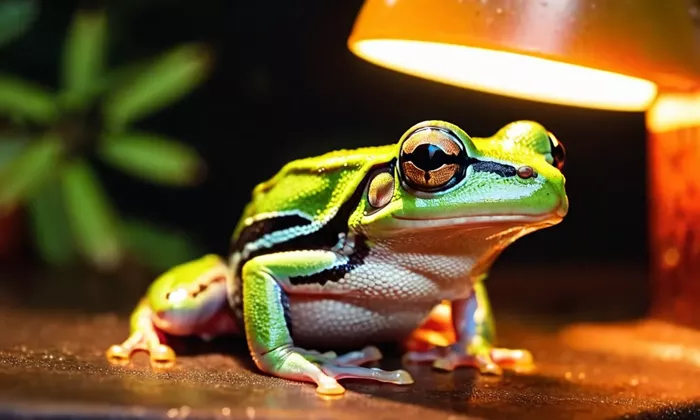
Green tree frogs are one of the most popular amphibians kept as pets due to their bright green color, small size, and relatively calm nature. They are fascinating creatures that bring a touch of nature into homes. Many new owners often wonder if green tree frogs need a heat lamp to thrive. Understanding their natural environment, physiology, and temperature preferences is essential to provide proper care and ensure the frog’s health and longevity.
Understanding Green Tree Frogs
Green tree frogs, scientifically known as Litoria caerulea, are native to Australia and New Guinea. They are arboreal, meaning they spend most of their lives in trees. In their natural habitat, these frogs experience warm, humid conditions with mild fluctuations in temperature. Observing how they survive in the wild can guide owners in replicating their ideal environment in captivity.
Natural Habitat and Climate
Green tree frogs inhabit rainforests, wetlands, and suburban areas where humidity is high and temperatures are moderate. Daytime temperatures in their native regions usually range from 75°F to 85°F (24°C to 29°C), while nighttime temperatures may drop slightly. The ambient heat and humidity play a crucial role in their metabolic processes, digestion, and overall health.
Behavior and Activity Patterns
Green tree frogs are nocturnal animals. They remain hidden during the day in cool, shaded areas and become active at night to hunt for insects. During the cooler parts of the year or in shaded areas, they naturally seek warmth in sunlit spots or near surfaces that retain heat. This behavior suggests that they have some flexibility in coping with temperature variations but still require a certain level of warmth to stay active and healthy.
Temperature Needs of Green Tree Frogs
Maintaining the correct temperature in a captive environment is vital. Green tree frogs are ectothermic, which means they rely on external heat sources to regulate their body temperature. If the environment is too cold, their metabolism slows down, leading to health problems. On the other hand, excessive heat can also be dangerous and cause dehydration or stress.
Optimal Temperature Range
The ideal temperature for green tree frogs during the day is between 75°F and 85°F (24°C to 29°C). At night, temperatures can drop slightly to 65°F to 75°F (18°C to 24°C). Maintaining these ranges helps support digestion, immune function, and normal behavior. A temperature gradient within the enclosure is recommended, allowing the frog to move to warmer or cooler areas as needed.
Signs of Improper Temperature
Frogs exposed to inadequate heat may show lethargy, loss of appetite, and weak muscle activity. Conversely, excessive heat may cause panting, dehydration, and skin damage. Monitoring both air and surface temperature in the enclosure is necessary to prevent these issues.
The Role of a Heat Lamp
A heat lamp is a common tool in reptile and amphibian care. For green tree frogs, the use of a heat lamp depends on the environmental conditions in the home and the specific needs of the frog. Heat lamps can provide localized warmth, allowing the frog to thermoregulate efficiently.
When a Heat Lamp is Necessary
If room temperatures consistently fall below the optimal range, a heat lamp becomes essential. For example, in colder climates or during winter months, the frog’s enclosure may need supplemental heat. A heat lamp can provide a warm basking area that helps maintain the frog’s metabolic functions and activity levels.
When a Heat Lamp is Not Needed
In homes with stable room temperatures that stay within the 75°F to 85°F range, a heat lamp may not be required. Green tree frogs can thrive in ambient conditions if the enclosure is properly insulated and humidity is maintained. Overheating from an unnecessary lamp can be stressful and harmful to the frog.
How to Use a Heat Lamp Safely
Proper use of a heat lamp is crucial to avoid injury or stress. Here are some guidelines:
Choose the Right Type of Heat Lamp
Use a low-wattage lamp designed for reptiles or amphibians. Avoid using incandescent bulbs with high heat output, as they can burn the frog or dry out the enclosure excessively. Ceramic heat emitters are a good option because they provide warmth without light, which is helpful during nighttime hours.
Positioning the Lamp
The lamp should be positioned to create a thermal gradient in the enclosure. One area should be warmer for basking, while other areas remain cooler, allowing the frog to regulate its temperature naturally. Keep the lamp at a safe distance to prevent burns and monitor temperatures with a reliable thermometer.
Regulating Heat and Humidity
Excess heat can reduce humidity, which is critical for amphibians. Use a hygrometer to monitor humidity levels, ideally keeping them between 50% and 70%. Mist the enclosure regularly and provide water sources to maintain proper hydration alongside temperature control.
Alternative Heating Options
If a heat lamp is unsuitable or unavailable, other options exist to maintain temperature:
Under-Tank Heating Pads
These pads provide gentle warmth from below the enclosure. They are useful for creating localized heat spots but may not distribute warmth as evenly as a lamp. Combining a pad with proper insulation ensures the frog stays comfortable without overheating.
Room Heating
Maintaining the room at an appropriate temperature eliminates the need for a heat lamp. This method works best in controlled indoor environments where fluctuations are minimal. It also helps maintain humidity levels without drying out the enclosure.
Monitoring Frog Health in Relation to Heat
Observing your frog is the best way to determine if its heating setup is effective. Signs of good health include active movement at night, regular feeding, healthy skin, and normal shedding. Any changes in behavior, appetite, or skin condition may indicate temperature or humidity issues that need correction.
Behavioral Indicators
A frog that frequently moves to the warmest or coolest areas demonstrates active thermoregulation. If it remains in one spot for extended periods, it may be too hot, too cold, or stressed. Adjusting heat sources and environmental setup can help maintain comfort.
Physical Health Indicators
Proper temperature supports digestion, immune function, and skin health. Signs of stress, lethargy, or unusual shedding can indicate inadequate heat or humidity. Regular monitoring and adjustments ensure the frog stays healthy and active.
Seasonal Adjustments
Temperature needs may vary with seasonal changes. In warmer months, ambient temperatures may suffice, while colder months may require supplemental heat. Understanding the natural temperature fluctuations in the frog’s native habitat can help replicate seasonal conditions in captivity.
Winter Care
During winter, room temperatures may drop below the optimal range. Using a heat lamp or under-tank heater during these months is essential to prevent metabolic slowdown and health issues. Ensure humidity remains adequate even when heat is applied.
Summer Care
In summer, avoid overheating by providing shaded areas and ventilation. High ambient temperatures combined with a heat lamp may create unsafe conditions. Always monitor both temperature and humidity to maintain a safe environment.
Conclusion
Green tree frogs do not always require a heat lamp, but they do need stable temperatures within their preferred range of 75°F to 85°F during the day and slightly cooler at night. A heat lamp becomes necessary in colder environments or during seasonal changes when room temperatures fall below the frog’s optimal range. Safe and thoughtful use of heat sources, along with careful monitoring of temperature, humidity, and frog behavior, ensures a healthy and thriving green tree frog. By understanding their natural habitat and providing conditions that mimic it, owners can support the health, activity, and longevity of these captivating amphibians.